
What Are Seated Bicep Curls and How Do They Benefit Your Workout?
Frequently Asked Questions About Seated Bicep Curls
What are seated bicep curls?
Seated bicep curls are a strength-training exercise designed to target the biceps brachii. By sitting, you minimize the involvement of other muscle groups, focusing the effort on the biceps. This technique helps in building better muscle extension, fullness, and peak.
How do you perform seated bicep curls correctly?
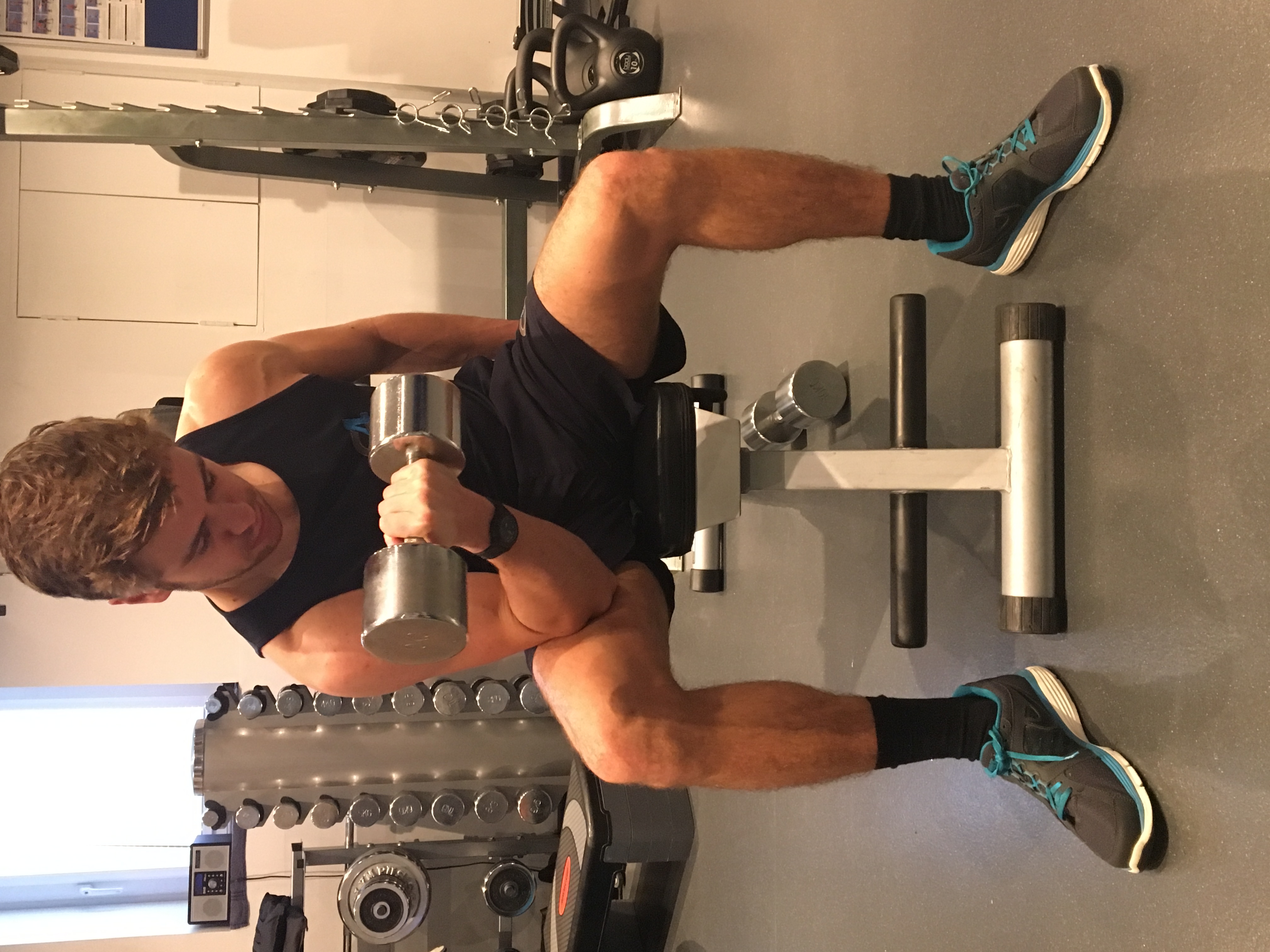
To perform seated bicep curls, sit on a bench with your feet flat on the floor. Hold a dumbbell in each hand with your arms fully extended. Keep your elbows close to your torso. Exhale as you curl the weights up to shoulder level, maintaining control throughout the movement. Inhale as you slowly return to the starting position.
Can beginners do seated bicep curls?
Yes, beginners can definitely include seated bicep curls in their workout routine. It’s important for beginners to start with a manageable weight to maintain proper form and gradually increase the load as their strength improves.
What are the benefits of seated bicep curls?
The key benefits of seated bicep curls include increased isolation of the biceps, reduced risk of cheating with other muscle groups, and improved arm strength and muscle hypertrophy. This exercise is excellent for enhancing the shape and size of the biceps.
How many times a week should seated bicep curls be done?
Frequency depends on your individual training goals. Typically, incorporating seated bicep curls 2 to 3 times per week in a balanced routine provides optimal results for muscle growth and strength. Ensure you allow adequate rest between sessions to prevent overtraining.







Are seated bicep curls better than standing?
Seated bicep curls can be more effective for isolating the bicep muscle because the seated position limits the use of body momentum. Standing curls, however, can engage the core muscles more. Both variations have benefits and can be included in a comprehensive fitness routine.
What common mistakes should be avoided when doing seated bicep curls?
A common mistake is using too much weight, causing improper form and swinging of the arms. Avoid lifting the shoulder or using the back to help lift the weights. Always keep your elbows stationary and focus on engaging the biceps throughout the exercise.
Can seated bicep curls help with muscle imbalances?
Seated bicep curls can address muscle imbalances, particularly if done with dumbbells. Using unilateral training (working one arm at a time) allows you to focus on the weaker side, promoting symmetry and balance in muscle strength and size.
How do seated bicep curls fit into a workout routine?
Incorporate seated bicep curls after compound movements such as pull-ups or bent-over rows. They work well during arm or upper body sessions, balancing them with tricep and shoulder exercises for comprehensive arm training.
What variation of seated bicep curls is available?
Variations include alternating seated bicep curls, hammer curls, and incline bench seated curls. Experimenting with different grips and angles can target different parts of the bicep and prevent workout monotony.
[ratemypost]
Can seated bicep curls contribute to overall fitness?
Absolutely! Seated bicep curls not only enhance biceps aesthetics but also contribute to overall upper body strength and function, which is beneficial for activities requiring pulling and lifting movements. Engaging in a balanced workout regime ensures comprehensive fitness improvements.