

What Are the Benefits of Deadlifting with Dumbbells?
Deadlift Dumbbell FAQ
What are dumbbell deadlifts?
Dumbbell deadlifts are a compound exercise that targets the lower body and core, using dumbbells instead of a barbell. This variation allows for greater flexibility in your movements and can be adapted to different skill levels. By holding a dumbbell in each hand, you can perform this exercise with a wider range of motion and increase your strength, balance, and coordination.






Why should I include dumbbell deadlifts in my workout routine?
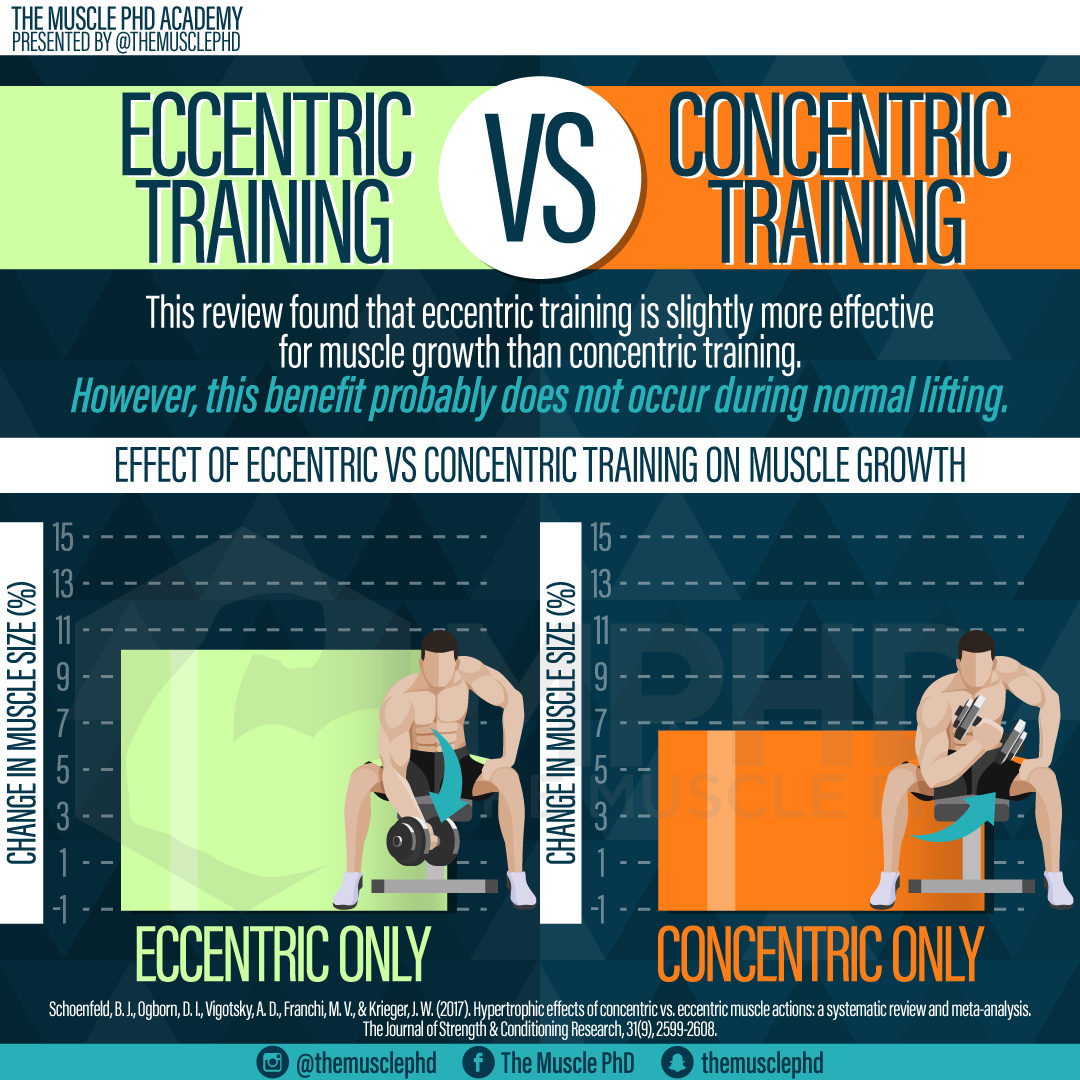
Dumbbell deadlifts provide several benefits, including improved muscle imbalance correction, muscle hypertrophy, and strength development. They engage multiple muscle groups, such as the hamstrings, glutes, lower back, and core, which makes them excellent for both muscle building and functional fitness. Additionally, dumbbell deadlifts are versatile and can be performed in limited space, making them ideal for home workouts or crowded gyms.
How do I correctly perform a dumbbell deadlift?
To correctly perform a dumbbell deadlift, stand with your feet hip-width apart, holding a dumbbell in each hand with your arms fully extended. Bend your hips backwards, keeping your back straight and chest up to lower the weights towards the floor. Keep your knees slightly bent as you hinge at your hips. Pause briefly at the bottom, then focus on squeezing your glutes and driving through your heels to return to the starting position.
What are some common mistakes to avoid?
Some common mistakes to avoid when performing dumbbell deadlifts include rounding the back, which can lead to injury, and extending the knees before the hips, which reduces the effectiveness of the exercise. Always engage your core, keep your back neutral, and ensure that your movements are controlled. It’s essential to focus on muscle engagement and avoid using momentum to lift the weights.
How can I modify dumbbell deadlifts for beginners?
Beginners can start with lighter weights to master the form before progressing to heavier dumbbells. Focus on a slow and controlled movement, and consider using a mirror to monitor your form. You can also perform a reduced range of motion by not lowering the dumbbells all the way to the floor. As you gain confidence, gradually increase weight and range of motion.
What are variations of the dumbbell deadlift?
There are several variations to try, including:
- Single-leg dumbbell deadlift: This targets core stability and balance by performing the exercise on one leg.
- Romanian dumbbell deadlift: Emphasizes hip hinge and activates the hamstrings more intensely.
- Sumo dumbbell deadlift: With a wider stance, this variation targets the inner thighs and hips.
These variations help in targeting different muscle groups and adding variety to your routine.
How often should I incorporate dumbbell deadlifts into my workout?
The frequency of incorporating dumbbell deadlifts depends on your fitness goals and overall workout plan. Generally, including them once or twice a week as part of a lower body or full-body workout can be effective. Ensure you allow for adequate recovery between sessions to avoid overtraining.
What should I do if I experience pain during lifts?
If you experience pain during dumbbell deadlifts, it’s crucial to stop immediately and assess your form. Pain may indicate incorrect technique or overexertion. If the pain persists, consult a fitness professional or healthcare provider to ensure there are no underlying issues.
[ratemypost]
Can dumbbell deadlifts replace barbell deadlifts?
While dumbbell deadlifts can be a good alternative to barbell deadlifts, especially for those with limited access to equipment, each serves its unique purpose. Barbell deadlifts can typically engage more overall muscle mass, while the dumbbell variation offers greater flexibility in targeting specific muscles. Utilizing both within a training program can provide comprehensive strength training benefits.