What Are the Best High Protein Foods with Low Calories?
TABLE OF CONTENTS
- 1 FAQ: High Protein Foods with Fewer Calories
- 1.1 What are high protein foods with fewer calories?
- 1.2 Why should I include high protein foods with fewer calories in my diet?
- 1.3 What are some examples of high protein foods with fewer calories?
- 1.4 How do high protein foods aid in weight loss?
- 1.5 Can vegetarians and vegans find high protein, low-calorie options?
- 1.6 How can I prepare meals using high protein foods with fewer calories?
- 1.7 Are there any risks associated with a high protein, low-calorie diet?
- 1.8 How does protein intake affect muscle growth and maintenance?
- 1.9 Can high protein foods with fewer calories improve metabolism?
- 1.10 What’s the best way to balance my diet with these foods?
- 1.11 Final Thoughts
- 1.12 Related
FAQ: High Protein Foods with Fewer Calories
What are high protein foods with fewer calories?
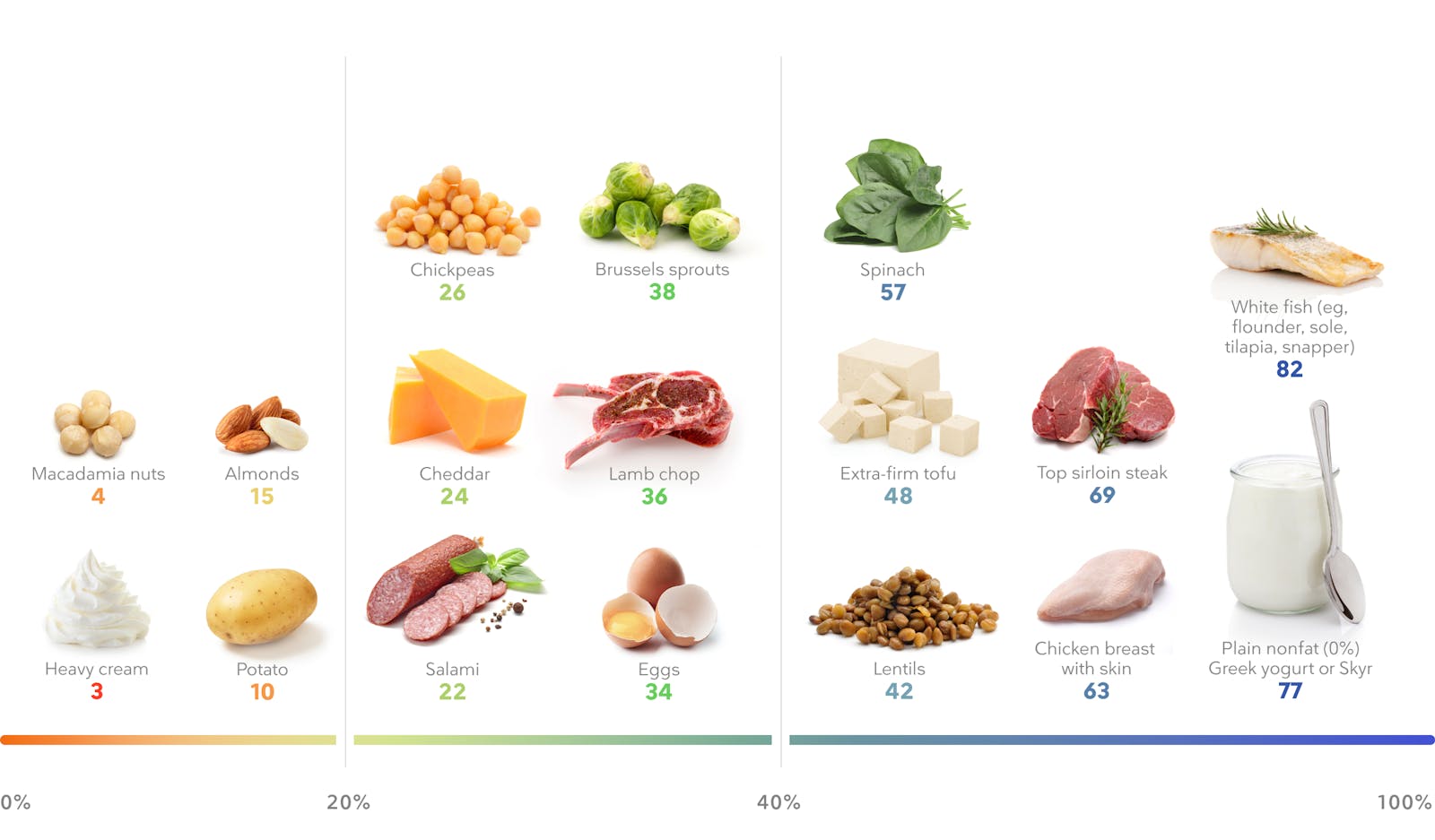
High protein foods with fewer calories are nutritious options that provide a substantial amount of protein while keeping the calorie count low. These foods are ideal for those looking to build muscle, lose weight, or maintain a balanced diet without consuming excess calories.
Why should I include high protein foods with fewer calories in my diet?
Including these foods in your diet can help in muscle-building, weight management, and improving your overall health. Protein helps increase satiety, reduces hunger, and supports metabolic functions, making it easier to consume fewer calories over the day while still feeling full and energized.
What are some examples of high protein foods with fewer calories?
Some examples include:
- Skinless chicken breast
- Turkey breast
- White fish like cod and haddock
- Low-fat dairy products such as Greek yogurt
- Eggs or egg whites
- Plant-based proteins like tofu and legumes
How do high protein foods aid in weight loss?
High protein foods boost your feeling of fullness, reduce overall appetite, and increase your metabolism temporarily. By incorporating these foods into your meals, you may naturally decrease calorie intake, thereby aiding in weight loss efforts. The body’s natural energy expenditure is also increased as it works to digest protein.
Can vegetarians and vegans find high protein, low-calorie options?
Yes, there are a variety of options for vegetarians and vegans. Lentils, chickpeas, black beans, tofu, tempeh, quinoa, and seitan are excellent plant-based sources of protein that are relatively low in calories. Pairing these with a variety of vegetables can help maintain a balanced and nutritious diet.
How can I prepare meals using high protein foods with fewer calories?
Focus on grilling, baking, or steaming your proteins rather than frying to maintain their low-calorie benefits. Incorporate plenty of vegetables and whole grains to create balanced meals. For instance, pair grilled chicken breast with a salad, or enjoy a tofu stir-fry with a variety of colorful veggies.
Are there any risks associated with a high protein, low-calorie diet?
While high protein diets can be beneficial, it is important to maintain a balanced intake of all essential nutrients. Over-reliance on protein can lead to nutrient deficiencies. It’s best to consult a healthcare provider or nutritionist to tailor a diet plan suitable for your health needs and goals.
How does protein intake affect muscle growth and maintenance?
Protein is crucial for muscle growth and repair. When you consume protein, it provides amino acids necessary for rebuilding muscle tissue, especially after exercise. This is vital for athletes and individuals engaging in regular physical activity seeking to enhance their strength and fitness levels.
Can high protein foods with fewer calories improve metabolism?
Yes, protein-rich foods can temporarily increase the thermic effect of food (TEF), which is the energy your body requires to digest, absorb, and process nutrients. This can lead to a higher metabolic rate and greater calorie burning, which is beneficial for weight management and overall energy levels.
What’s the best way to balance my diet with these foods?
To balance your diet, aim for a variety of high protein foods with fewer calories integrated into meals that include other macro and micronutrients. Combine proteins with vegetables, healthy fats, and whole grains for a comprehensive meal plan. Listening to your body’s hunger signals is also important to avoid overeating.
FREE SHIPPING
CLICK HERE!
HOT PROMOTIONS!



ILLUSTRA BRAND | Liquid BAC water 10ml BA+0.9% Benzyl Alcohol
Original price was: $ 60.00.$ 39.00Current price is: $ 39.00.

[ratemypost]
Final Thoughts
Incorporating high protein foods with fewer calories into your diet can support weight loss and muscle maintenance while helping you stay satisfied throughout the day. Beyond individual foods, embracing an overall lifestyle focused on balanced nutrition and regular exercise is key to achieving health goals.