

What is Cutting in Dieting: A Comprehensive Guide
Cutting in Diet FAQ
What is Cutting?
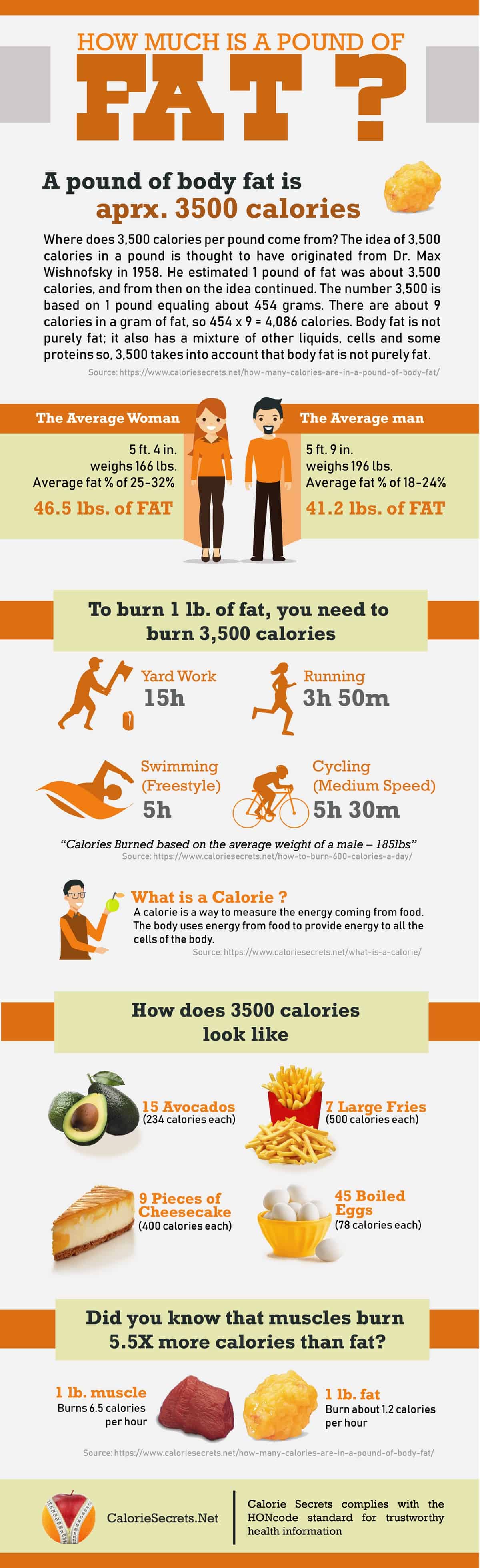
Cutting refers to the practice of reducing body fat while maintaining muscle mass. It is a common phase in bodybuilding and fitness routines, aimed at achieving a lean and defined physique. This process typically involves a carefully controlled diet and workout regimen.
Why is Cutting Important?
Cutting is important for those looking to emphasize muscle mass and achieve a toned appearance. By reducing body fat, the muscles become more visible and defined. This phase is essential for bodybuilders in preparation for competitions and for fitness enthusiasts wanting to improve their body aesthetics.
How Do I Start a Cutting Diet?
Starting a cutting diet involves calculating your caloric needs and creating a calorie deficit. Track your current food intake and focus on consuming fewer calories than your body burns. It’s important to maintain a diet rich in protein to preserve muscle mass, while limiting fats and carbohydrates appropriately. Consulting with a nutritionist can help tailor the diet to personal needs.
What Are Common Mistakes in Cutting Diets?
Common mistakes include cutting calories too drastically, which can lead to muscle loss and metabolic slowdown. Ignoring macronutrient balance is another error that can affect energy levels and muscle retention. Consistency is key, and abrupt changes should be avoided to maintain health and effective results.
How Long Should a Cutting Phase Last?
The duration of a cutting phase depends on individual goals and body composition. However, most cutting phases last between 8 to 12 weeks. It’s crucial to monitor progress regularly and make adjustments as needed. Remember, a slower, more sustainable approach is often healthier and more effective.
FREE SHIPPING
CLICK HERE!
HOT PROMOTIONS!




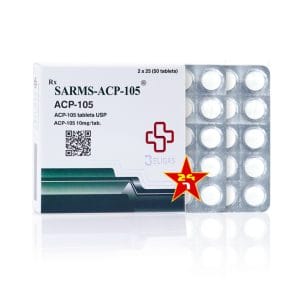
Beligas SARMs ACP-105 ACP 10mg 50 tablets
Original price was: $ 130.00.$ 109.00Current price is: $ 109.00.
How Can I Preserve Muscle Mass While Cutting?
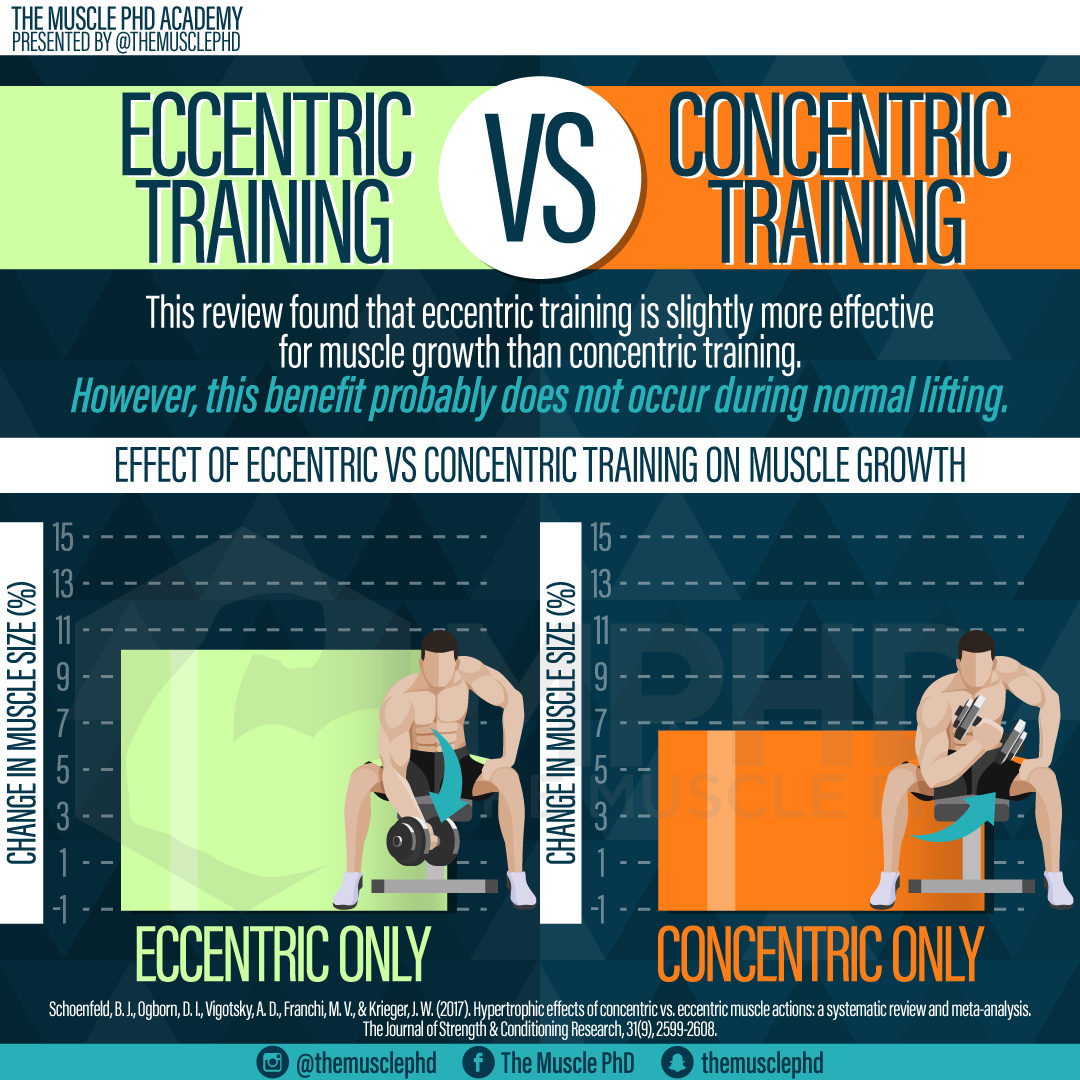
To preserve muscle mass, prioritize protein intake, aiming for about 1.2 to 2.2 grams per kilogram of body weight. Strength training is equally important to stimulate muscle growth and maintenance. Ensure adequate rest and recovery, and avoid excessive cardio, which might lead to muscle loss.
What Foods Should I Focus On?
A cutting diet should include lean proteins such as chicken, turkey, fish, and plant-based options like tofu and legumes. Incorporate plenty of vegetables and fruits for vitamins and fiber. Whole grains and healthy fats in moderation are essential for a balanced diet. Remember, meal preparation can be a valuable tool in maintaining consistency.
Can I Use Supplements During Cutting?
Supplements can support your cutting goals but aren’t necessary for success. Protein powders can help meet protein goals, while branched-chain amino acids (BCAAs) may aid in muscle preservation. Fat burners can provide additional energy but should be used cautiously and under professional guidance.
Is Cardio Necessary for Cutting?
Cardio can be a useful tool to increase calorie expenditure during a cutting phase, but it’s not mandatory. Balancing cardio with strength training prevents muscle loss. Incorporate a type and amount of cardio that suits your lifestyle and fitness level, whether it’s HIIT, low-intensity steady-state, or a combination.
[ratemypost]
What Are the Signs of an Effective Cutting Phase?
Signs of an effective cutting phase include a gradual decrease in body fat percentage and increased muscle definition. Improvements in strength and endurance, along with stable energy levels, indicate a well-balanced diet. Regular monitoring with body measurements or body composition testing can provide tangible progress indicators.
When Should I Stop Cutting?
Stopping the cutting phase depends on reaching your desired body composition. If you notice significant fatigue, muscle loss, or negative effects on your mood, it might be time to reassess your approach. Transition to a maintenance phase slowly to avoid rapid weight regain.