
What is better? TRT or HGH?
Introduction
The quest for enhanced health and vitality has led many individuals to explore various therapies, notably Testosterone Replacement Therapy (TRT) and Human Growth Hormone (HGH) treatments. Both options cater to different health concerns, with TRT mainly addressing low testosterone levels and HGH promoting growth and metabolic functions. In this article, we will delve into the comparison between these two therapies to understand what is better? TRT or HGH? and highlight the effectiveness, safety, and benefits of each.
Understanding TRT and HGH
What is TRT?
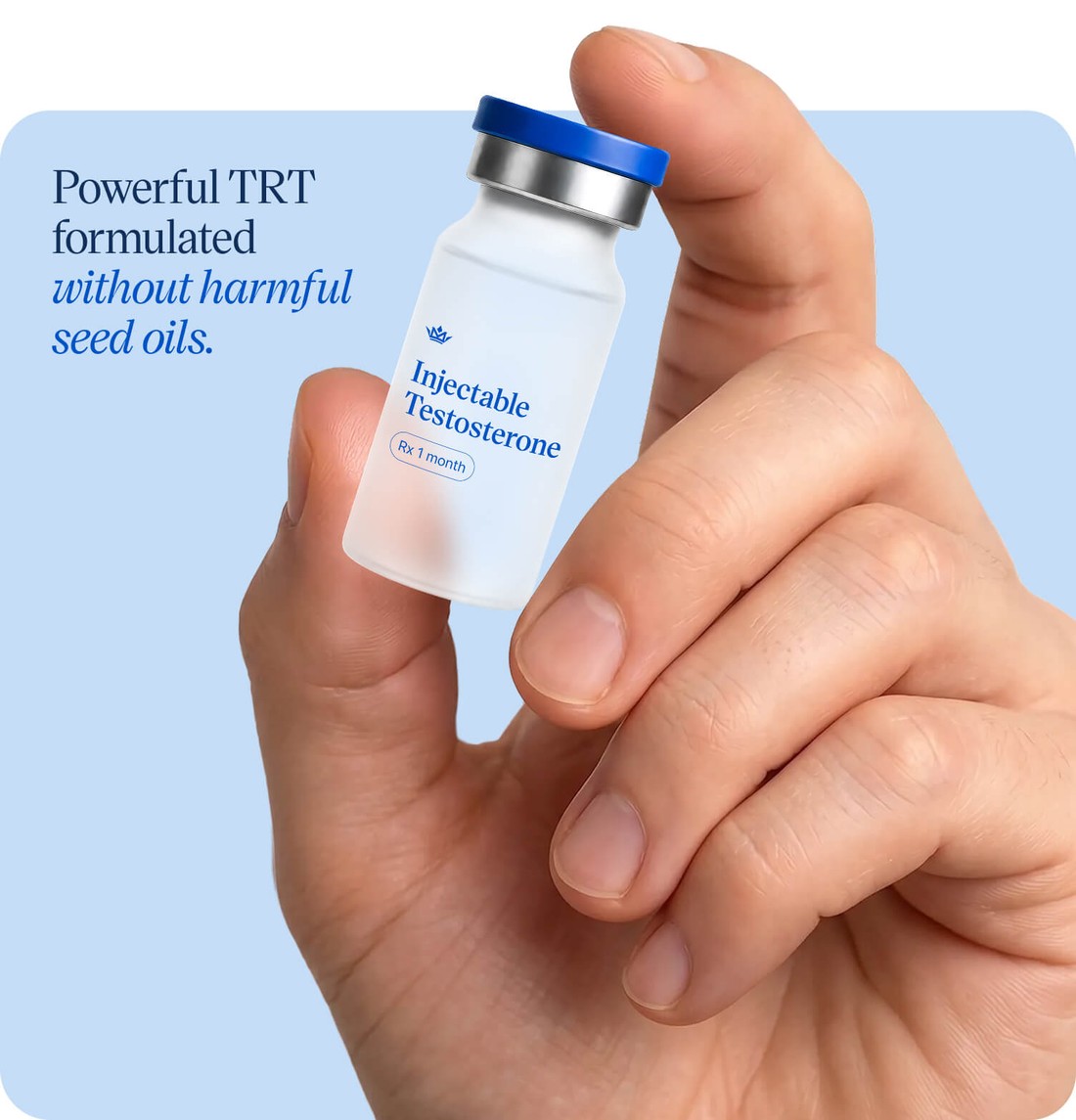
Testosterone Replacement Therapy is designed to restore testosterone levels in individuals with low hormone production. Low testosterone levels can lead to various symptoms, including:
- Fatigue
- Reduced libido
- Weight gain
- Depression
TRT can be administered through multiple methods, including injections, patches, and gels, aiming to improve overall quality of life and restore balance.
What is HGH?
Human Growth Hormone, on the other hand, is crucial for growth, cell reproduction, and regeneration. It occurs naturally in the body but may decrease with age. HGH supplementation is often used for:
- Increasing muscle strength
- Enhancing exercise performance
- Promoting weight loss
- Improving recovery after injury
HGH can also be administered via injections and is popular among athletes and bodybuilders for its anabolic properties.
Effectiveness and Benefits
Benefits of TRT
TRT has been shown to deliver a range of advantages for men experiencing testosterone deficiencies:
- Improved Mood: Many users report a significant uplift in mood, reducing feelings of depression and irritability.
- Enhanced Libido: Increased testosterone levels often restore sexual desire and performance.
- Weight Management: TRT can facilitate fat loss and improve muscle mass.
- Energy Levels: Higher testosterone can lead to improved energy, leaving users feeling more invigorated.
Benefits of HGH
HGH therapy offers various advantages, particularly for aging individuals or athletes looking to enhance physical performance:
- Increased Muscle Mass: HGH promotes muscle growth and enhances strength.
- Fat Reduction: Many users experience significant fat loss, particularly around the abdomen.
- Enhanced Recovery: HGH aids in quicker recovery from injuries and boosts overall healing.
- Improved Skin Elasticity: Its effects on collagen production can lead to smoother skin.
Risks and Side Effects
Risks of TRT
While TRT can be beneficial, it is not without risks. Possible side effects include:
- Acne and oily skin
- Sleep apnea
- Increased risk of blood clots
- Gynecomastia (breast tissue enlargement)
Regular monitoring by a healthcare professional is essential to mitigate these risks.
Risks of HGH
HGH supplementation also comes with its set of potential side effects, including:
- Joint and muscle pain
- Insulin resistance
- Increased risk of diabetes
- Swelling in the limbs
It’s crucial to use HGH under medical supervision to avoid complications.
Comparative Analysis
Who Needs TRT?
TRT is mainly suitable for men experiencing symptoms associated with low testosterone. Factors that might make an individual a candidate for TRT include:
- Low levels of testosterone (<300 ng/dL)
- Symptoms impacting quality of life
Who Needs HGH?
HGH may be better suited for those looking to build muscle, lose fat, or recover from injuries more effectively. Potential candidates may include:
- Aging individuals looking for anti-aging benefits
- Athletes seeking performance enhancement
What is Better? TRT or HGH?
The answer to the question “What is better? TRT or HGH?” largely depends on individual needs and goals. If low testosterone is the primary issue, TRT would be more appropriate. Conversely, individuals seeking enhanced physical performance or recovery may find more benefit from HGH. Consulting with a healthcare professional is essential to determine the most suitable therapy based on individual conditions and health history.
Conclusion
In exploring the distinctions, benefits, and risks of TRT and HGH, it becomes clear that both therapies offer unique advantages tailored to specific health concerns. Each individual must weigh the potential benefits against the risks while considering their personal health goals. Ultimately, the decision should involve comprehensive medical guidance, ensuring a balanced approach to health and wellness.
FAQ Section
1. What are the primary uses of TRT?
TRT is primarily used to treat low testosterone levels in men, combating symptoms such as fatigue, low libido, and mood alterations.
2. Is HGH safe for athletes?
HGH supplementation can enhance performance but is associated with significant health risks and is banned in competitive sports. It’s crucial to consider the legal and health implications.
3. How do I know if I need TRT or HGH?
A medical consultation, including blood tests and symptom evaluation, will help determine if TRT or HGH is appropriate for you.
4. Can I use TRT and HGH together?
Some individuals may benefit from both therapies; however, combining them should always be done under strict medical supervision to minimize risks.
5. Are there alternative treatments to consider?
Alternatives remain depending on the symptoms, including lifestyle changes, dietary adjustments, or other hormone therapies. Consulting a health professional can guide the best option for your needs.
6. Where can I find more information about TRT and HGH?
For further insights, you can explore authoritative resources such as Mayo Clinic and NCBI to understand more about TRT and HGH.