Skip the Squats: Alternative Exercises for Building Massive Legs
TABLE OF CONTENTS

Building massive legs without squats might seem counterintuitive to many fitness enthusiasts. After all, the squat is often heralded as the king of all leg exercises. However, some individuals may seek alternatives due to injury concerns, personal preferences, or limitations. Fortunately, it’s possible to achieve impressive leg size and strength through a variety of other exercises. This article explores how you can develop massive legs without squats, offering insights and alternatives for those looking to diversify their leg day routine.
Alternative Exercises for Massive Legs
While squats are effective, they aren’t the only way to stimulate the leg muscles. Here are some excellent alternatives that target the same muscles but might suit different needs or preferences:
- Leg Press: The leg press is a solid substitute for those who want to build massive legs without squats. It targets the quads, hamstrings, and glutes, allowing for heavy loads with potentially less risk of injury compared to squats.
- Lunges: Lunges are versatile and can be performed with or without weights. They help improve balance and coordination while activating a variety of leg muscles.
- Step-Ups: Using a bench or a sturdy platform, step-ups are excellent for targeting the quads and glutes. They also enhance functional strength and stability.
- Hamstring Curls: These are effective for isolating and strengthening the hamstrings, contributing to overall leg bulk.
- Leg Extensions: This exercise focuses specifically on the quadriceps and is another way to boost leg size without involving squats.
Tips for Building Massive Legs Without Squats
When aiming for massive legs, consistency and form are key, regardless of the exercises chosen. To maximize results, consider the following tips:
- Progressive Overload: Gradually increase the weight or intensity to challenge your muscles consistently.
- Varied Reps and Sets: Mix between low rep, high weight, and high rep, low weight routines to target different muscle fibers.
- Focus on Form: Ensure correct form to prevent injuries and maximize muscle engagement.
- Nutrition: Complement your workouts with proper nutrition to fuel muscle growth and recovery.
Conclusion
Achieving massive legs without squats is entirely feasible with the right approach. By incorporating alternative exercises and adhering to effective training principles, anyone can build powerful leg muscles. The key is to remain consistent, focus on proper form, and progressively challenge your muscles. With these strategies, you can diversify your leg training routine without the need for traditional squats.
FAQs
- Can I build legs without squats at home? Yes, you can perform exercises like lunges, step-ups, and bodyweight versions of leg presses with minimal equipment at home.
- Are squats necessary for leg development? While beneficial, squats are not the only option. There are various alternative exercises that can effectively target leg muscles.
- How often should I work out my legs? For most, 2-3 times per week of intense leg training is sufficient, assuming adequate recovery time and balanced programming.
BIG SALE | FAST SHIPPING
HOT PROMOTIONS!



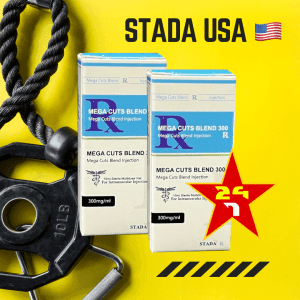
STADA MEGA CUTS BLEND 300 MG 10ML (TRENBOLONE)
Original price was: $ 129.00.$ 119.00Current price is: $ 119.00.


ZPHC UltraMix 10ml MultiUse Vial 1ml = 250mg

Original price was: $ 255.00.$ 179.00Current price is: $ 179.00.
ZPHC Clomid Clomiphene 25mg/tablet | 100 Tablets Total: 2500mg

Original price was: $ 159.00.$ 65.00Current price is: $ 65.00.


Developing massive legs without incorporating squats into your workout routine is entirely possible with the right combination of alternative exercises, dedication, and proper nutrition. Focus on a diverse range of exercises that target all parts of the leg muscles, including the quadriceps, hamstrings, calves, and glutes. Lunges, step-ups, leg presses, and leg curls are excellent squat alternatives that effectively build leg mass and strength. Deadlifts are particularly beneficial as they engage the hamstrings and glutes while also strengthening the core. Incorporating plyometric exercises such as box jumps can also enhance muscle development and power. Calf raises and seated calf presses help build impressive calf muscles. Pair these exercises with a balanced diet rich in protein, healthy fats, and carbohydrates to fuel muscle growth and recovery. Consistency in training, along with progressive overload, will lead to significant leg muscle development, even in the absence of squats.