Snide Comments: What They Really Mean and How to Handle Them
TABLE OF CONTENTS

What Does Snide Mean?
The term “snide” is often used to describe an attitude or remark that is subtly demeaning or mocking. Originating from the late 17th century, the word has evolved in its use and connotation. Explore more about the nuances of language and communication on related platforms.
Snide in Today’s Context
In modern usage, snide is frequently applied to comments or attitudes that are intended to hurt or insult someone indirectly. This kind of communication is often passive-aggressive, disguising hostility under the veneer of civility or humor. Understanding what snide means is crucial for navigating social interactions effectively.
Implications of Snide Remarks
Snide remarks can undermine relationships and create an environment of distrust. Whether in personal interactions or professional settings, recognizing these comments can help in addressing underlying issues directly. Delve deeper into communication strategies at relevant sites to mitigate negative effects.
Cultural Representations of Snide Behavior
Snide behavior is not just limited to personal interactions. It is often portrayed in media and literature as a way to highlight character flaws or societal issues. This portrayal helps audiences recognize and critically analyze the impact of snide attitudes in a broader context.
Conclusion
In conclusion, understanding what does snide mean is essential for fostering healthy communication. Recognizing and addressing snide remarks can significantly improve interpersonal dynamics. For further insights on building effective communication skills,
FREE SHIPPING
HOT PROMOTIONS!
BIG SALE | FAST SHIPPING

Fierce testosterone propionate 100mg / ml 10ml

Original price was: $ 72.00.$ 69.00Current price is: $ 69.00.




CYT 3 6MG | T3 | Yohimbe | Clen | Weight Loss Blend | 100 Tablets Total Kit 600mg
$ 69.00


FAQs
What is a snide remark?
A snide remark is a comment intended to insult or mock someone indirectly, often delivered with subtlety to disguise its negativity.
Are snide comments always intended to hurt?
While not all snide comments are meant to deeply hurt, they generally have a negative, demeaning undertone that can harm relationships.
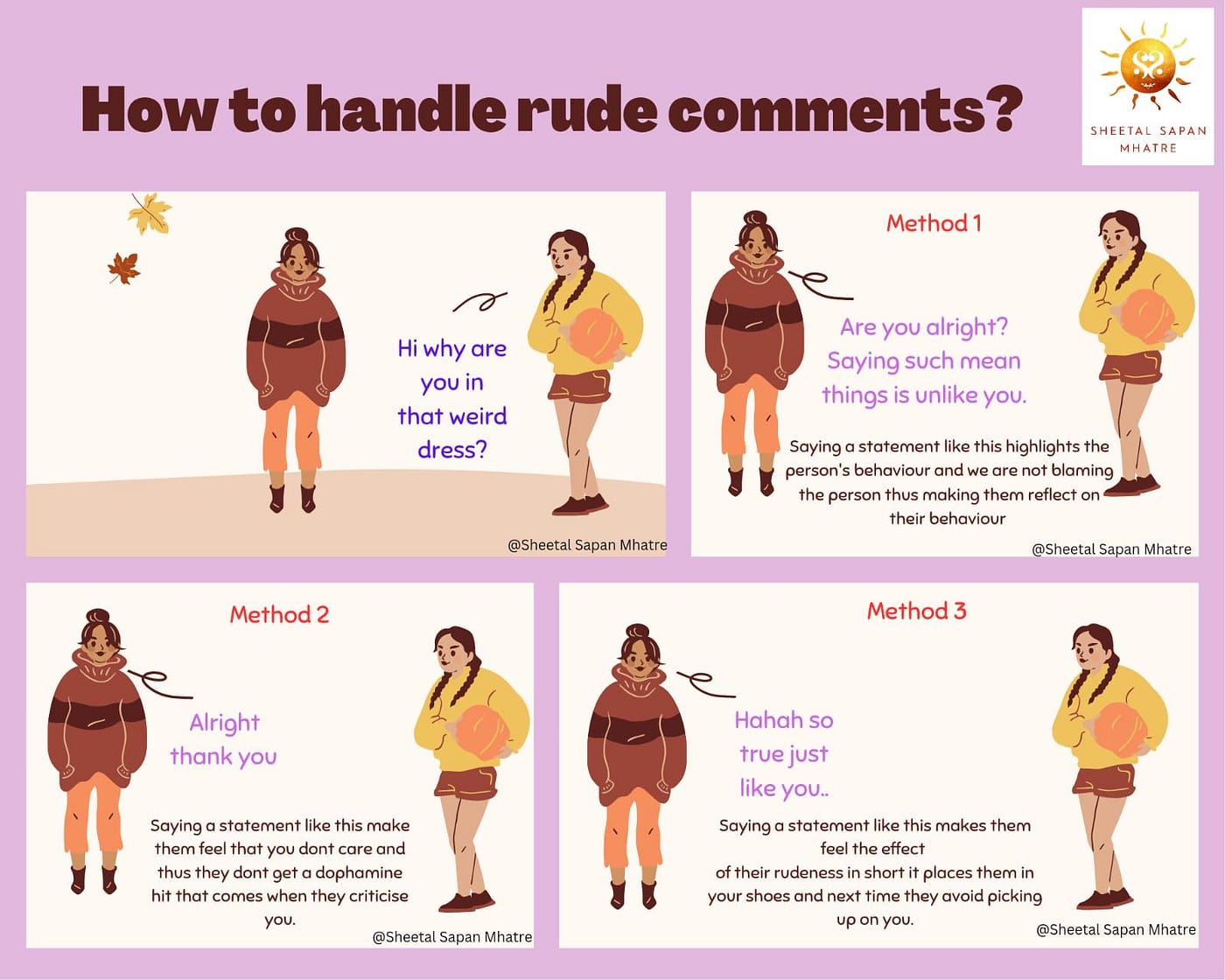
How can I deal with snide comments effectively?
Address the comment directly but calmly, asking for clarification. This often diffuses the situation and can bring any underlying issues to light.
Can snide behavior be unintentional?
Yes, sometimes individuals may not be aware of their snide tone or the impact of their words. Constructive feedback from peers can be helpful.
“Snide” refers to remarks or attitudes that are subtly derogatory or mocking. It often involves a clever or cutting edge, delivering criticism or disdain in an indirect manner. Such comments are typically designed to undermine someone or something without appearing overtly aggressive. The tone of snide remarks can be sarcastic, carrying a veneer of politeness that masks the underlying contempt. This type of communication often leverages wit to belittle or criticize, making it both sharp and covertly hurtful.