SS 31 Peptide: A Breakthrough in Mitochondrial Therapy
TABLE OF CONTENTS

SS 31 peptide, also known as Bendavia or MTP-131, is a breakthrough in the realm of mitochondrial-targeted therapeutics. It is a small, cell-permeable peptide designed to target the inner mitochondrial membrane, where it plays a crucial role in mitigating oxidative stress and maintaining mitochondrial function.
Mechanism of Action of SS 31 Peptide
SS 31 peptide functions by selectively binding to cardiolipin, a phospholipid found exclusively in the inner mitochondrial membrane. This unique binding allows it to stabilize the structure of the mitochondria, thereby preserving its function even in the presence of damaging oxidative stress. By reducing the production of reactive oxygen species (ROS), SS 31 peptide can prevent mitochondrial dysfunction, which is a common feature in a range of degenerative diseases.
Benefits and Applications of SS 31 Peptide
The potential therapeutic benefits of SS 31 peptide are significant, given its targeted action on the mitochondria. It has shown promise in:
- Neuroprotection: By maintaining mitochondrial integrity, SS 31 peptide could offer protective effects against neurodegenerative diseases such as Alzheimer’s and Parkinson’s.
- Cardioprotection: It may also aid in reducing damage after ischemic events, such as heart attacks, by preserving mitochondrial function.
- Muscle Health: By improving mitochondrial efficiency, SS 31 peptide may enhance muscle performance, potentially benefiting individuals with muscle wasting disorders.
Research and Clinical Studies
Current research on SS 31 peptide is extensive, with several preclinical and clinical studies already demonstrating its efficacy. These studies suggest that the peptide could lead to novel treatments for a variety of diseases related to mitochondrial dysfunction.
FREE SHIPPING
HOT PROMOTIONS!
BIG SALE | FAST SHIPPING
CYT 3 6MG | T3 | Yohimbe | Clen | Weight Loss Blend | 100 Tablets Total Kit 600mg
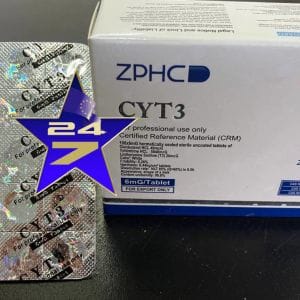
$ 69.00


STADA VIAGRA SILDENAFIL ♂ 100MG 30ML

Original price was: $ 116.00.$ 89.00Current price is: $ 89.00.


Beligas IGF-1LR3 1mg + 1 BA Liquid
Original price was: $ 99.00.$ 79.00Current price is: $ 79.00.
For more detailed information on related topics, you might find these resources useful:
Conclusion
SS 31 peptide represents a promising advancement in mitochondrial medicine, with the potential to address various conditions associated with mitochondrial dysfunction. Its unique ability to target and stabilize mitochondria highlights its importance in the therapeutic landscape. As research continues, SS 31 peptide might soon emerge as a cornerstone in the treatment of mitochondrial-related diseases.
FAQs
What is SS 31 peptide?
SS 31 peptide is a mitochondrial-targeted therapeutic peptide designed to stabilize the mitochondrial membrane and reduce oxidative stress.
How does SS 31 peptide work?
It binds to cardiolipin in the inner mitochondrial membrane, helping to preserve mitochondrial function and reduce reactive oxygen species production.
What conditions could SS 31 peptide help treat?
SS 31 peptide has shown potential in treating neurodegenerative diseases, ischemic heart conditions, and muscle-wasting disorders.
Are there any ongoing studies on SS 31 peptide?
Yes, numerous preclinical and clinical studies are investigating the efficacy of SS 31 peptide in various conditions tied to mitochondrial dysfunction.
Where can I find more information about similar topics?
For further reading, check out resources like Steroid Planner and John Doe Bodybuilding.
SS 31 peptide, known as Elamipretide, is a promising compound in the realm of mitochondrial therapy. Specifically designed to target and penetrate mitochondrial membranes, it alleviates oxidative stress by stabilizing cardiolipin, an essential lipid component in the inner mitochondrial membrane. This action enhances mitochondrial function and reduces cell damage. SS 31 shows potential in treating diseases linked to mitochondrial dysfunction, such as heart failure, neurodegenerative conditions, and age-related macular degeneration. Clinical studies have indicated its ability to improve cellular bioenergetics, offering a novel approach to combating age-related and chronic diseases by preserving mitochondrial integrity.