steroid injection abscess
TABLE OF CONTENTS

Steroid injections are widely used in sports and fitness circles to reduce inflammation and pain, as well as enhance physical performance. However, one of the potential complications that can arise is a steroid injection abscess, a localized collection of pus that occurs when bacteria infect the tissue at the injection site. This article aims to delve into the causes, symptoms, prevention, and treatment of a steroid injection abscess, providing essential insights for bodybuilders, fitness enthusiasts, and medical practitioners alike.
Causes and Symptoms of Steroid Injection Abscess
A steroid injection abscess typically arises due to contamination of the injection site or the steroid itself. Poor hygiene, such as using unsterilized needles or injecting in unclean environments, significantly increases the risk. Symptoms commonly include redness, swelling, and intense pain at the injection site. In severe cases, the abscess can lead to fever and malaise, signaling the need for immediate medical attention.
Prevention Strategies
Preventing a steroid injection abscess is crucial for maintaining optimal health and performance. Here are some strategies to consider:
-
- Ensure Sterility:
Always use sterile needles and clean the injection site thoroughly with antiseptic solutions before administering the injection. Avoid reusing needles under any circumstances.
- Ensure Sterility:
-
- Seek Professional Guidance:
Whenever possible, ensure that injections are administered by a healthcare professional. Their expertise can significantly reduce the risk of developing an abscess.
- Seek Professional Guidance:
-
- Prepare and Store Properly:
Store steroids in a proper environment as per guidelines and check expiration dates. Contaminated substances pose a high risk of infection.
- Prepare and Store Properly:
Treatment Options
If a steroid injection abscess develops, it’s essential to seek medical attention promptly. Treatment usually involves draining the abscess and prescribing antibiotics to combat the infection. In some instances, surgical intervention may be necessary to fully cleanse the affected area. 🏋️♂️
Conclusion
While steroid injections can offer significant benefits for bodybuilding and athletic performance, the risk of a steroid injection abscess underscores the need for caution and proper practice. By prioritizing hygiene and professional administration, fitness enthusiasts can prevent this painful complication and maintain their health and training regimen. Remember, when it comes to injections, safety should always come first. 💪
BIG SALE | FAST SHIPPING
HOT PROMOTIONS!


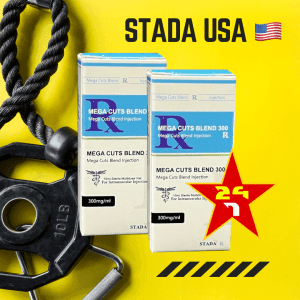
STADA MEGA CUTS BLEND 300 MG 10ML (TRENBOLONE)
Original price was: $ 129.00.$ 119.00Current price is: $ 119.00.
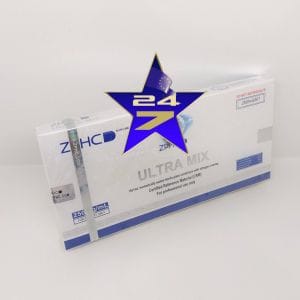
ZPHC UltraMix 1ml amps x 10 amps - 1ml = 250mg
Original price was: $ 259.00.$ 179.00Current price is: $ 179.00.


FAQs
What is a steroid injection abscess?
A steroid injection abscess is a localized infection that results in a pus-filled swelling at the site of a steroid injection. It usually occurs due to bacterial contamination during injection.
How can I prevent a steroid injection abscess?
Ensure the use of sterile needles, clean the injection site, and consider professional assistance for administering injections. Proper storage and handling of steroids also prevent contamination.
What should I do if I suspect a steroid injection abscess?
Seek medical help immediately to prevent further complications. Treatment usually involves drainage of the abscess and the use of antibiotics.
Can a steroid injection abscess spread to other parts of my body?
If left untreated, the infection can spread, posing significant health risks. Immediate medical intervention is crucial.
Staying informed and vigilant about the potential risks associated with steroid use allows fitness enthusiasts to focus safely on their goals. Embrace these preventative measures to keep your workouts seamless and your health intact. 🏆
A steroid injection abscess is a localized infection that can occur after the administration of a steroid injection, typically used to treat inflammation and pain in joints, soft tissues, or other areas. This abscess forms when bacteria are inadvertently introduced during the injection process, leading to the accumulation of pus in the tissues. Symptoms can include localized pain, redness, swelling, warmth, and sometimes fever, indicating the presence of an infection. The risk of developing an abscess may increase with improper aseptic techniques, steroid potency, or multiple injections. Treatment often involves antibiotics and, in some cases, surgical drainage to remove the pus and reduce infection. Preventive measures, such as adhering to strict sterilization protocols and using aseptic techniques, are crucial to minimize the occurrence of such complications.