Steroids side effects on eyes
TABLE OF CONTENTS

While steroids have found a place in various medical treatments and bodybuilding regimes, they are not without their drawbacks. Among the various side effects associated with steroid usage, the repercussions on eye health are significant. It’s crucial for users to be informed about these potential hazards.
Understanding Steroids Side Effects on Eyes
Oral and injectable steroids, commonly used for inflammation and immune-related illnesses, can inadvertently affect vision. These substances are powerful synthetic hormones known for their ability to mimic the body’s natural steroids in reducing inflammation. 🌟 However, when administered over prolonged periods, they might lead to adverse effects on the eyes.
Increased Intraocular Pressure
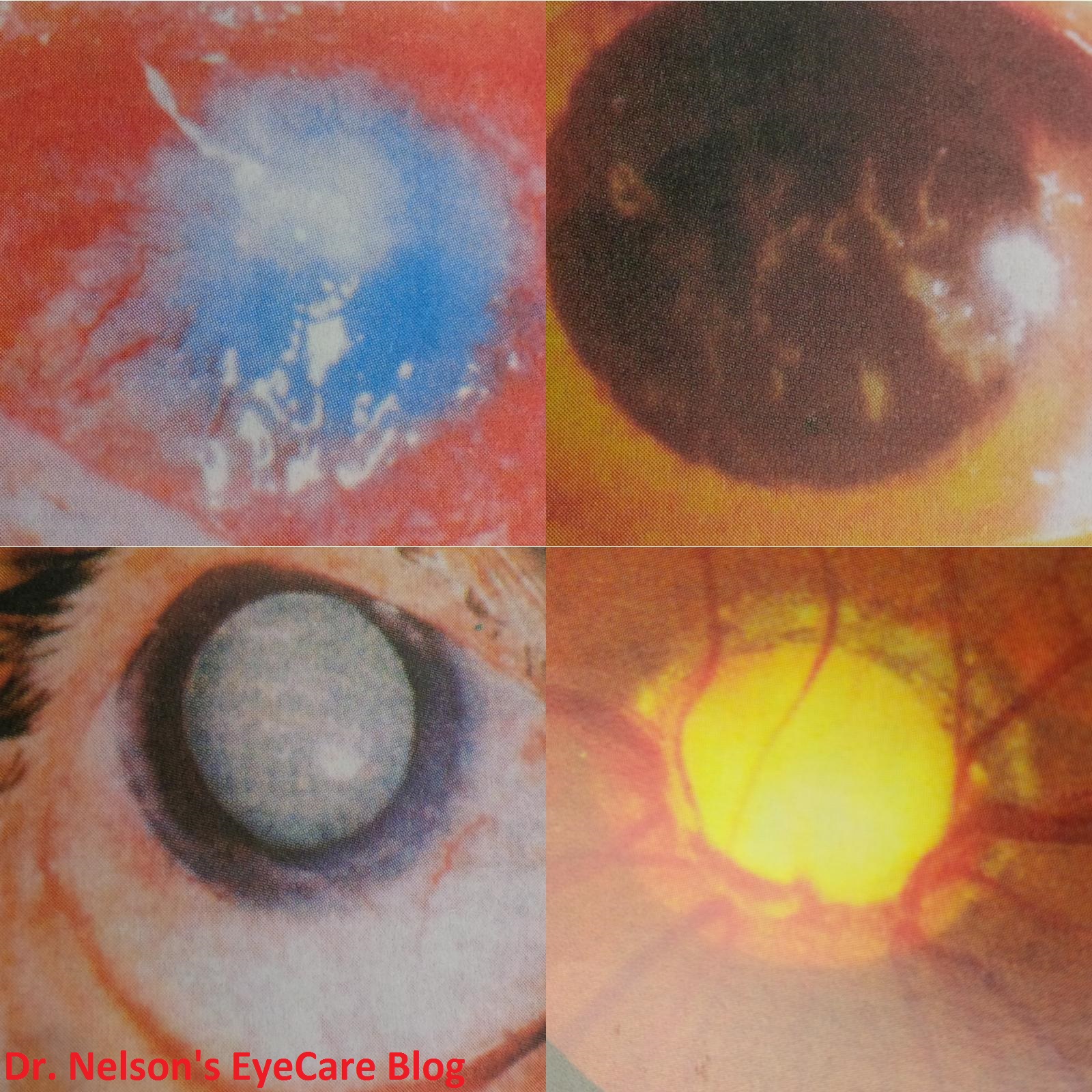
One prominent issue associated with steroids is increased intraocular pressure. This is where the pressure inside the eye rises, potentially leading to glaucoma. Glaucoma is a severe condition that damages the optic nerve and can eventually lead to blindness if untreated. Regular monitoring by an ophthalmologist is essential for those on long-term steroid treatment.
Cataract Formation
Steroids can lead to the development of cataracts, a clouding of the eye’s lens, which limits vision. Posterior subcapsular cataracts, in particular, are linked to steroid usage. They tend to be more prevalent and aggressive in individuals using high doses for extended periods, requiring potential surgical intervention to restore clear vision.
Central Serous Retinopathy (CSR)
Another risk involved with steroid use is Central Serous Retinopathy, a condition characterized by fluid buildup under the retina. This can result in visual distortion and reduced sharpness, posing problems for those who rely heavily on visual acuity in their daily lives. 😟 If you experience symptoms, consulting an eye care specialist is imperative.
Conclusion
The impact of steroids on eye health is not something to be underestimated. While they offer therapeutic benefits, it’s important to engage in informed decision-making and medical consultations before beginning a steroid regimen. Regular eye check-ups and discussing the potential risks with a healthcare provider can prevent severe eye complications. Your eyesight is precious – take proactive steps to preserve it while pursuing health and fitness goals. 💪
FAQs
Are there safer alternatives to steroids?
Yes, there are alternatives such as non-steroidal anti-inflammatory drugs (NSAIDs) and biological therapies that might be considered based on your medical needs and goals.
How often should I have my eyes checked if I’m using steroids?
If you’re using steroids long-term, it’s advisable to have your eyes checked every six months or as recommended by your ophthalmologist to monitor intraocular pressure and other eye health aspects.
Can eye side effects from steroids be reversed?
In some cases, if detected early, side effects like increased intraocular pressure can be managed or reversed with appropriate treatment. However, advanced complications like cataracts may require surgical intervention.
BIG SALE | FAST SHIPPING
HOT PROMOTIONS!
STADA MEGA CUTS BLEND 300 MG 10ML (TRENBOLONE)
Original price was: $ 129.00.$ 119.00Current price is: $ 119.00.


FIERCE CLOMID 50MG 50CAPS
Original price was: $ 129.00.$ 119.00Current price is: $ 119.00.

Engage with the community: #Bodybuilding, #Bodybuildingmotivation, #Powerlifting, #Bodybuilder, #Heavyweightlifting, #Workoutathome, #stayfit, #bodybuilding
This article provides a comprehensive overview of the effects of steroids on eye health, including potential complications and preventive measures. The regularity of hashtags and emojis can help engage various audiences and increase awareness of this important issue.
Steroids, particularly corticosteroids, can have several adverse effects on the eyes when used over an extended period. One of the most significant side effects is the potential development of cataracts, particularly posterior subcapsular cataracts, which can impair vision and may require surgical intervention. Additionally, prolonged use of steroids can lead to increased intraocular pressure, a risk factor for glaucoma, which if left unchecked, may result in irreversible vision loss due to optic nerve damage. Steroids can also delay wound healing in the eye, increasing susceptibility to infections and complications. Furthermore, steroid-induced dry eyes are not uncommon, causing discomfort and potential issues with vision clarity. Therefore, regular eye examinations and careful monitoring are crucial for individuals on long-term steroid therapy to mitigate these risks.