What are the risks of oral steroids?

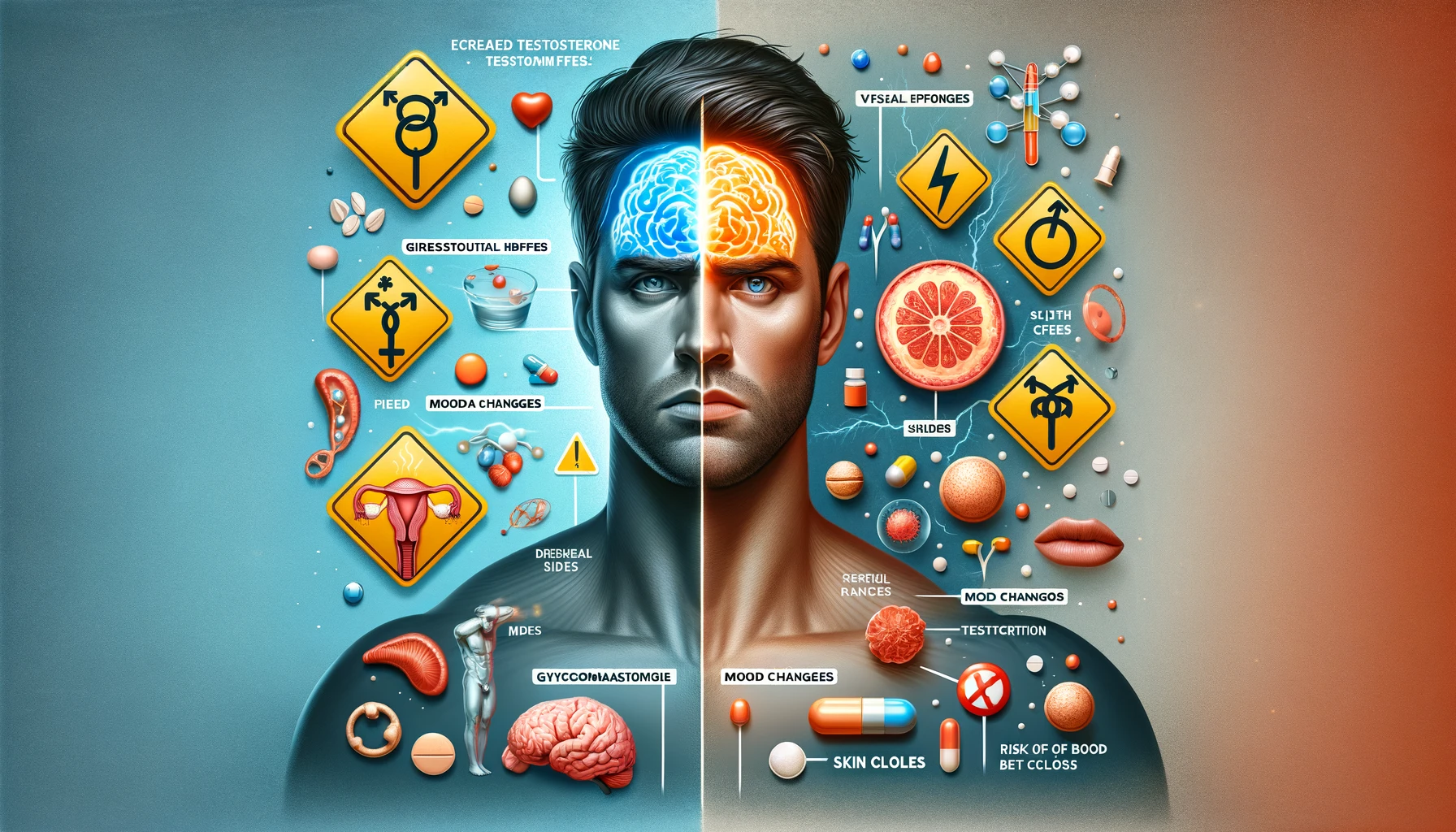
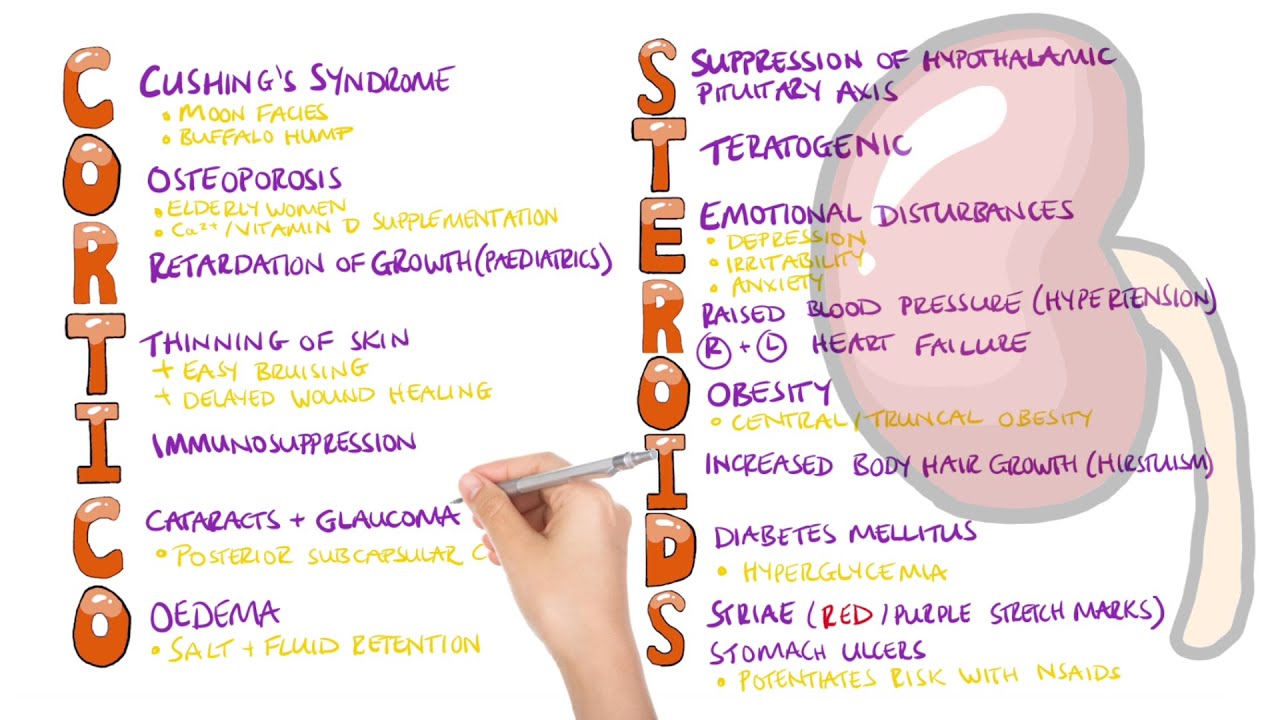
Oral steroids, though beneficial for medical conditions, carry significant risks. They can cause serious health issues, including cardiovascular complications, liver damage, hormonal imbalances, and psychological effects such as aggression. Understanding these risks is vital for informed decision-making.

Who should avoid taking steroids?

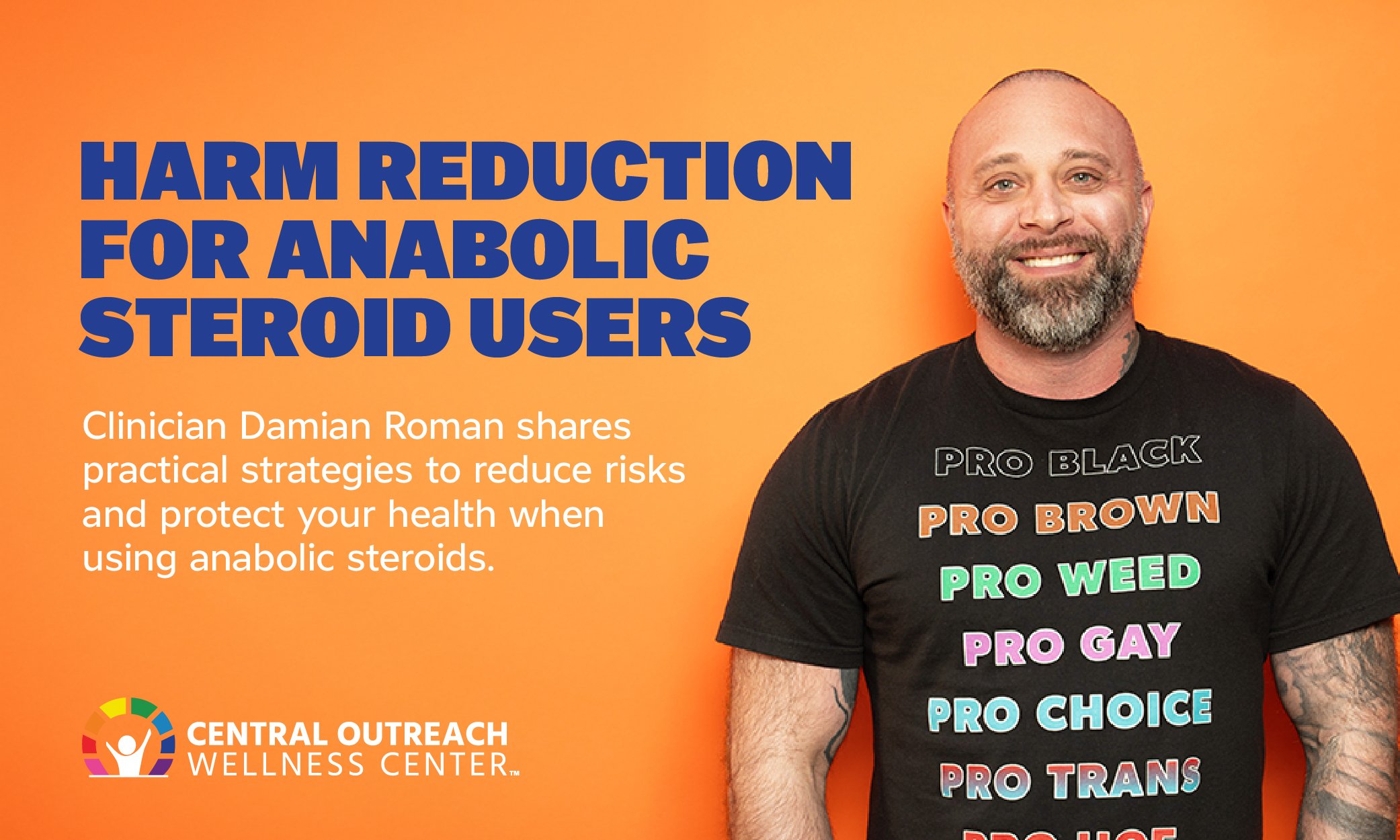
The use of steroids in sports and bodybuilding has sparked much debate. While some athletes pursue steroids for enhanced performance, the associated health risks are considerable. Groups like young athletes and those with pre-existing conditions should avoid them entirely due to severe potential complications.

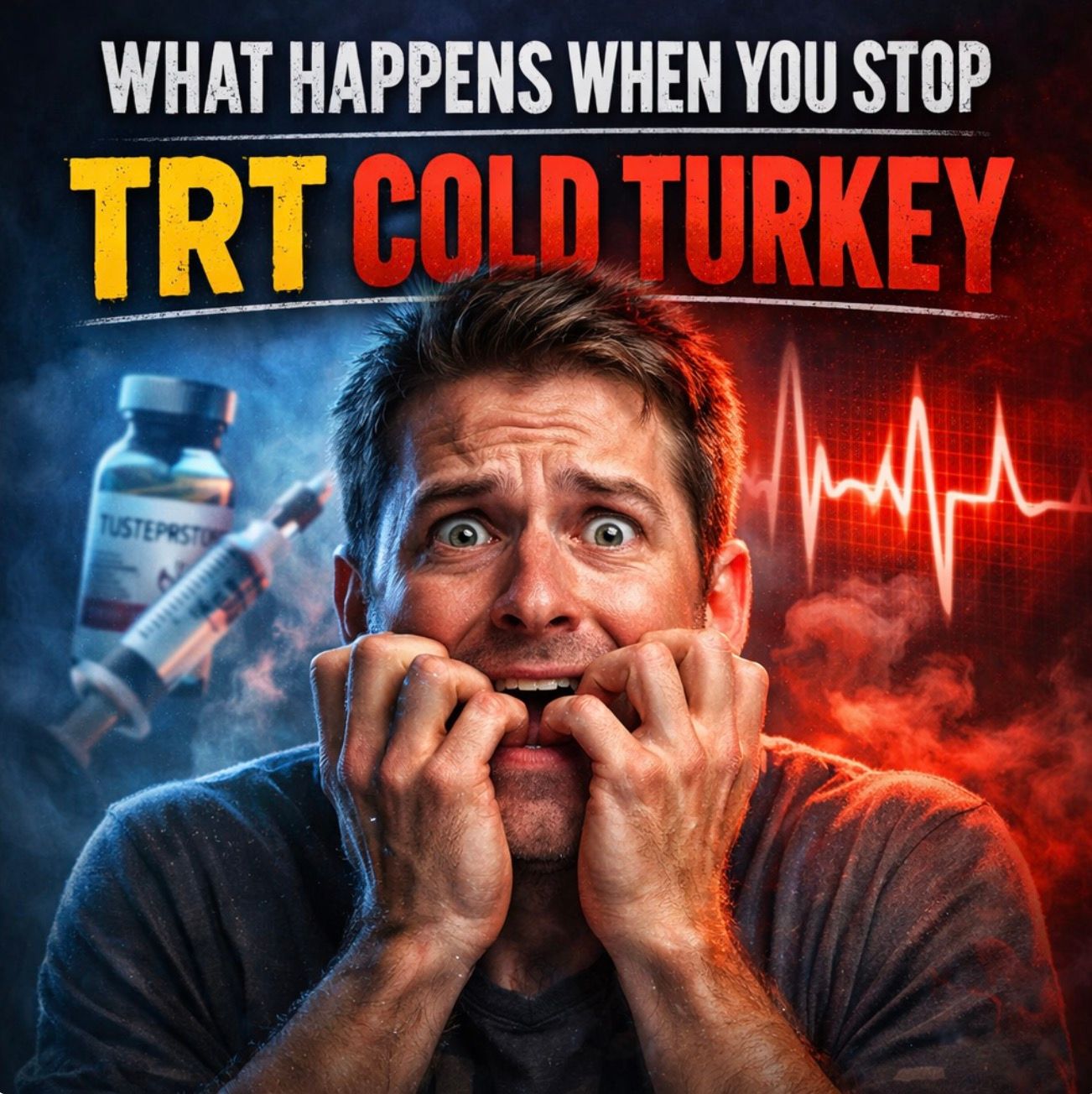
What happens if someone stops TRT abruptly?

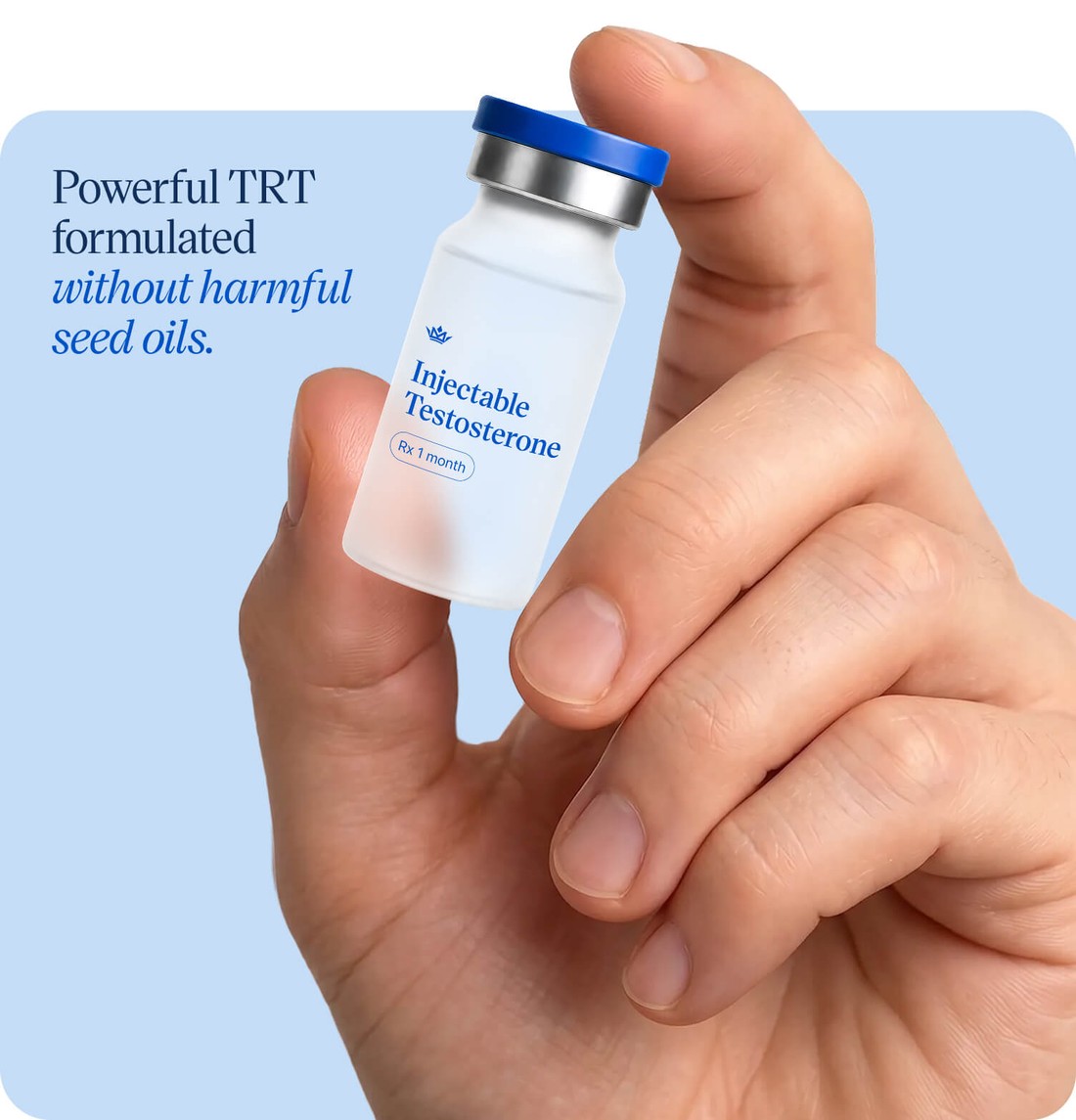
Testosterone Replacement Therapy (TRT) can significantly enhance energy, mood, and libido for those with low testosterone. However, stopping TRT abruptly can lead to fatigue, mood swings, and a loss of muscle mass, as the body struggles to regain hormonal balance. A gradual tapering is recommended to minimize withdrawal symptoms and support natural testosterone production. Always consult healthcare providers before making such decisions to ensure a safe and informed approach.

Why did I feel so good on steroids?

The use of anabolic steroids has sparked fascination and controversy, particularly regarding the feelings of euphoria many users report. This article examines the physiological and psychological effects of steroids, highlighting enhanced muscle growth, mood elevation, and the associated risks.

Is TRT as bad as steroids?

The distinction between TRT and anabolic steroids is clear. TRT is a therapeutic approach providing health benefits under medical supervision, focusing on correcting hormonal deficiencies. In contrast, anabolic steroids carry significant health risks and ethical dilemmas due to misuse and unregulated use.

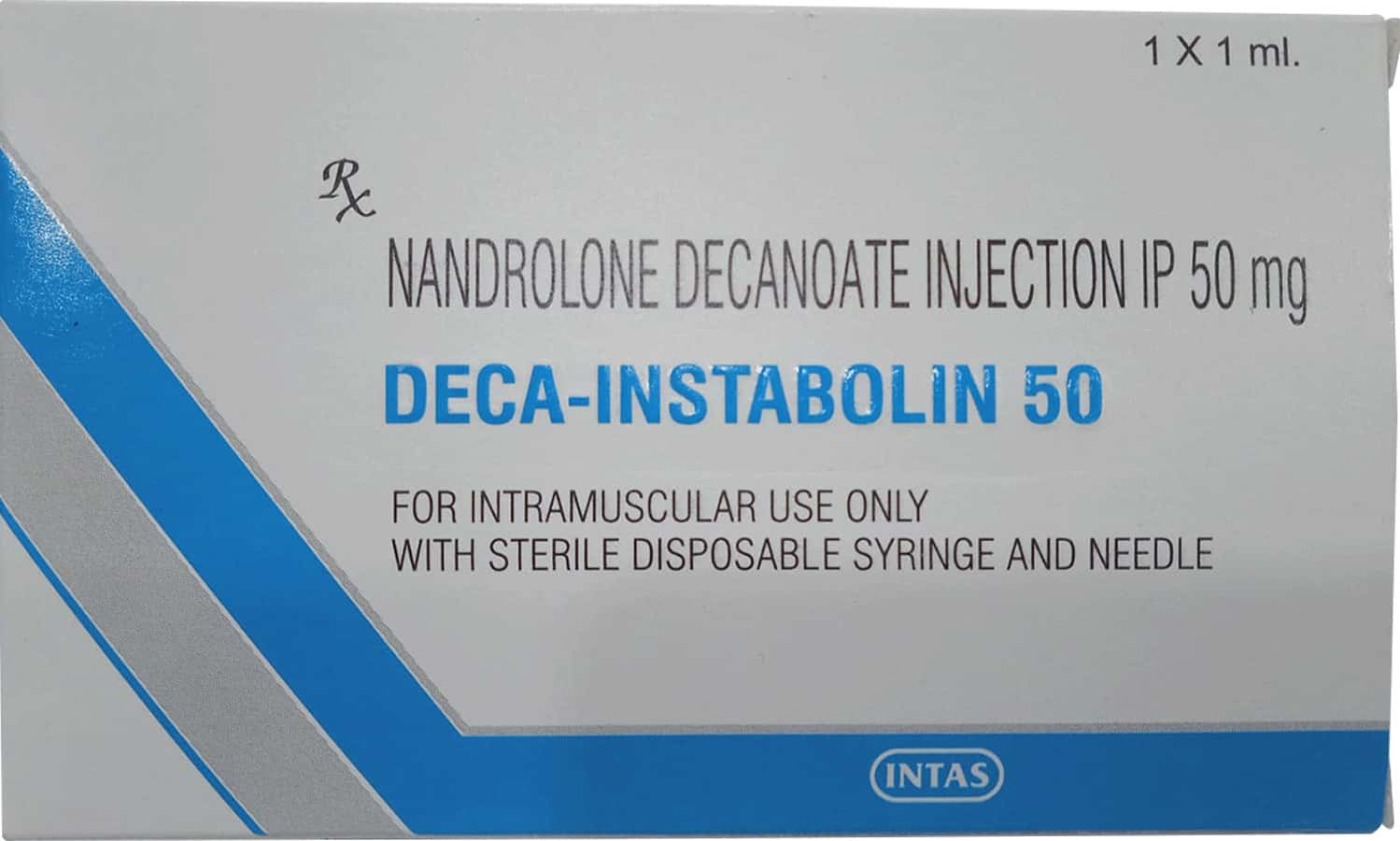
Deca Side Effects: What You Need to Know

Deca-Durabolin, or Deca, is an anabolic steroid used for muscle growth. It can lead to side effects like water retention and hormonal imbalances. Long-term use may cause liver damage and cardiovascular issues. Managing side effects involves post-cycle therapy, monitoring health, and legal considerations.

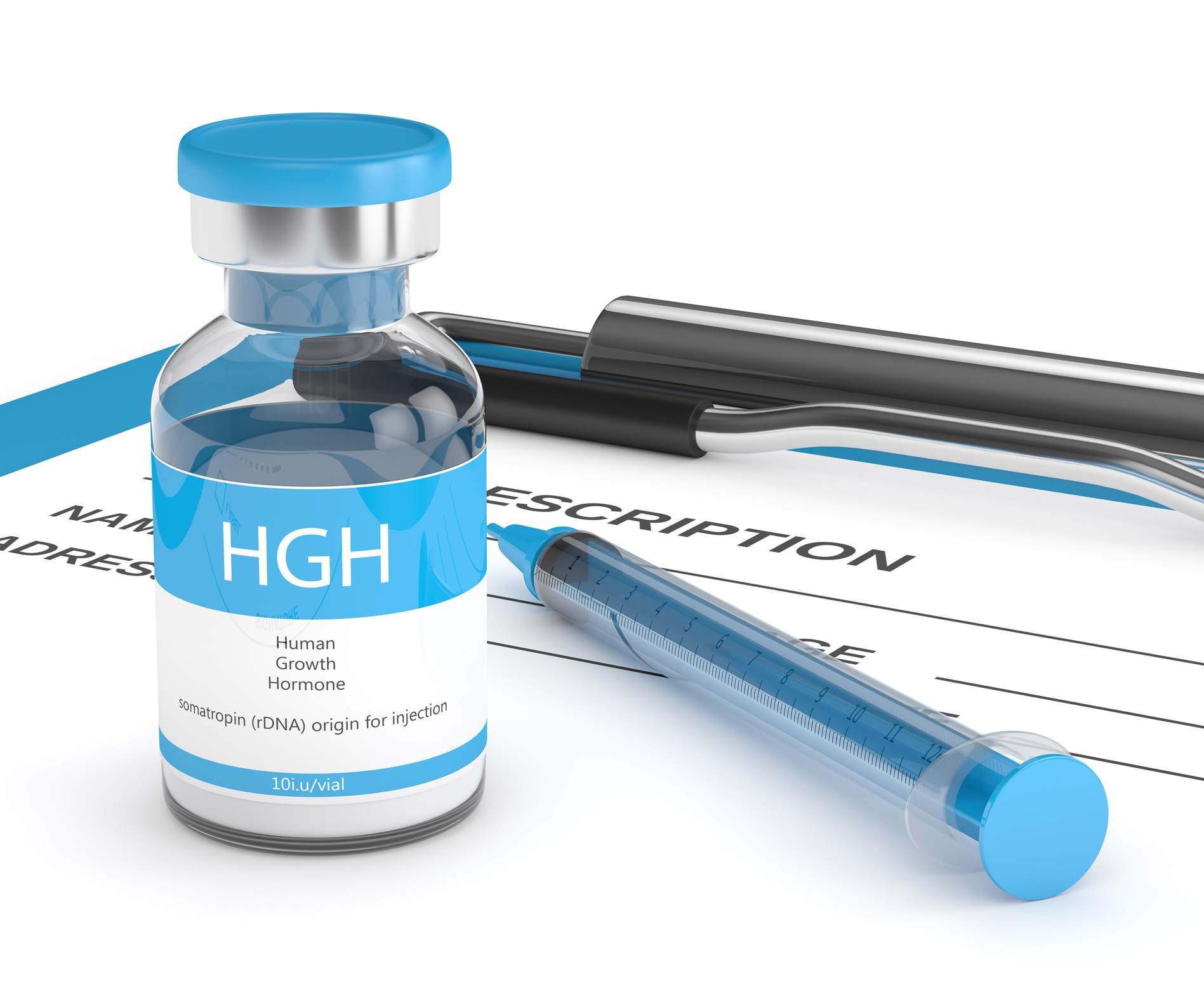
Understanding HGH: Potential Side Effects

Human Growth Hormone (HGH) plays a crucial role in growth, cell repair, and metabolism. While beneficial in controlled settings, misuse for athletic enhancement or anti-aging can lead to adverse effects. These include joint pain, edema, carpal tunnel syndrome, diabetes risk, cancer risk, and cardiovascular issues.

Unveiling Anavar: Potential Side Effects

Anavar, or Oxandrolone, is favored by athletes for performance enhancement due to its mild nature compared to other anabolic steroids. However, it’s crucial to acknowledge its potential side effects, such as hormonal imbalances, liver toxicity, and psychological effects. Users must weigh these risks against benefits and consult healthcare providers for guidance.

Cyclizine: Common Side Effects and What to Watch For

Cyclizine, an antihistamine for nausea and motion sickness, has common side effects like drowsiness, dry mouth, and blurred vision. Rarely, it can cause rapid heart rate, difficulty urinating, or severe dizziness. Allergic reactions, though uncommon, require immediate medical attention. Long-term use may lead to dependency, so monitoring by healthcare providers is recommended. Cyclizine can interact with other medications, potentially enhancing side effects. Users should seek medical guidance to minimize risks.

Mixing Lexapro and Alcohol: What You Need to Know

Lexapro, a selective serotonin reuptake inhibitor (SSRI), is used to treat depression and anxiety by regulating serotonin levels in the brain. However, mixing Lexapro with alcohol can amplify side effects like dizziness and drowsiness. Alcohol may also negate Lexapro’s benefits, potentially worsening depression. Consulting a healthcare provider for personalized advice on alcohol consumption is crucial for those taking Lexapro. Each individual’s response can vary, making medical guidance essential to safely manage the use of medication and alcohol.

Wellbutrin: Common Side Effects and What to Expect

Wellbutrin, also known by its generic name bupropion, is an antidepressant commonly used to treat major depressive disorder and to aid smoking cessation. While it is generally well-tolerated, some individuals may experience side effects such as insomnia, dry mouth, and weight loss. More serious but less common side effects include increased heart rate, high blood pressure, and an increased risk of seizures, especially at higher doses. It’s essential for patients to discuss any adverse effects with their healthcare provider.

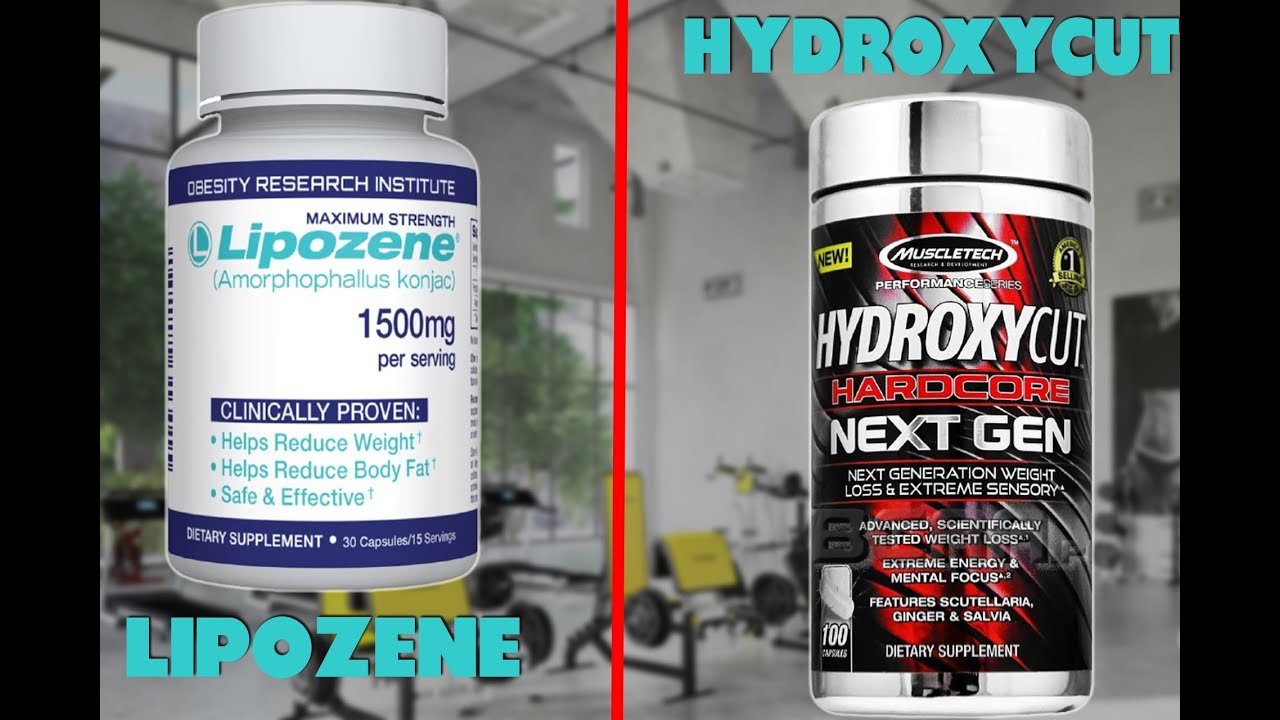
Lipozene: What You Need to Know About Its Side Effects

Lipozene, a popular weight loss supplement, is known for its glucomannan content, a natural fiber that expands in the stomach. Common side effects include gastrointestinal discomfort such as bloating and cramps. It’s crucial to take it with adequate water to avoid severe reactions like intestinal blockages. Since it can impact blood sugar, those on diabetes medication should monitor levels closely. Always consult with a healthcare provider before use to ensure safety.

Understanding Splenda: Unpacking the Potential Side Effects

Splenda, a widely used artificial sweetener, is often lauded for its ability to provide sweetness without the calories associated with sugar. However, like many synthetic additives, it has been the subject of scrutiny regarding potential side effects. Some individuals report headaches, dizziness, and gastrointestinal issues such as bloating and diarrhea after consuming products containing Splenda. There have also been concerns about its impact on gut health, with studies suggesting that it might alter beneficial gut bacteria. Moderation is encouraged, and sensitive individuals should monitor their intake.

The Itch Factor: Understanding Why Pre-Workouts Make You Scratch

Pre-workout supplements often cause a tingling or itching sensation, primarily due to an ingredient called beta-alanine. Beta-alanine is an amino acid that helps enhance athletic performance by buffering acid in muscles, which can allow for prolonged endurance during intense workouts. When consumed in higher doses, beta-alanine can activate nerve receptors in the skin, producing a sensation known as paresthesia, which manifests as itching or tingling, typically on the face, neck, and hands. While it may be uncomfortable for some, this side effect is generally harmless and tends to subside over time as your body becomes acclimated to the supplement.

The Hidden Side Effects of Ecdysterone: What You Need to Know

Ecdysterone, a plant steroid found in sources like spinach and quinoa, is marketed for muscle growth and athletic performance. It generally has fewer side effects than anabolic steroids, as it doesn’t interact with androgen receptors, reducing hormonal imbalance risks. However, high doses may cause mild gastrointestinal issues, headaches, or dizziness. Consulting a healthcare professional is recommended to avoid adverse effects, especially if taking other medications or having underlying health conditions.

Side Effects? What to Know Before Taking Imitrex

Imitrex, or sumatriptan, treats migraines by narrowing brain blood vessels but may cause side effects like tingling, warmth, and mild dizziness. Some users face chest pain or throat tightness, though these usually fade. Rarely, severe cardiovascular issues, such as heart attacks, arise, mostly in those with pre-existing conditions. Users should consult healthcare providers to assess safety given their medical history.

Peptide Side Effects: What to Know Before Starting Treatment

Peptides, known for their beneficial properties in medical and cosmetic applications, can sometimes lead to side effects based on usage and individual factors. While often safe, peptides in skincare might cause mild irritation. When taken as supplements or injectables, they could induce digestive issues, water retention, or blood sugar changes. Hormone-mimicking peptides may disrupt hormonal balance if improperly used. Consulting healthcare professionals before starting a peptide regimen is crucial to ensure the correct usage and sourcing, as the purity and composition significantly affect their impact and safety.

Understanding Nandrolone: Evaluating Its Potential Side Effects

Nandrolone, an anabolic steroid often used for muscle growth and enhancing physical performance, can lead to a range of side effects due to its potent influence on the body’s hormonal balance. One of the primary concerns with nandrolone is its potential to cause cardiovascular issues, such as hypertension and alterations in cholesterol levels, which increase the risk of heart disease.

Unpacking 191XT: Complete clue to Potential Side Effects

The increasing use of supplements like 191xt highlights the need to understand potential side effects. Reported issues include gastrointestinal discomfort, headaches, insomnia, mood swings, increased heart rate, joint pain, changes in appetite, fatigue, allergic reactions, and skin changes. Prior consultation with a healthcare professional is advised to mitigate risks and ensure safety.

Dangers?: Tadalafil’s Surprising Side Effects on Bodybuilders

Tadalafil, known for treating erectile dysfunction, is gaining popularity in bodybuilding for potential performance benefits like enhanced muscle pumps and endurance. However, it poses risks such as headaches, flushing, cardiovascular issues, and hormonal imbalances. Its use without medical supervision can lead to misuse and dependency, highlighting the need for caution and professional consultation. Despite its appeal, the possible side effects emphasize the importance of prioritizing health over short-term gains in bodybuilding.

Drostanolone: Potential Side Effects You Should Know

Drostanolone, known commonly as Masteron, is an anabolic steroid often utilized in bodybuilding for its muscle-hardening and aesthetic-enhancing properties. However, its use is accompanied by a range of potential side effects. Among the most common are androgenic effects like acne, increased body hair growth, and accelerated male pattern baldness, especially in individuals predisposed to these conditions. It can also lead to alterations in cholesterol levels, potentially increasing the risk of cardiovascular issues by lowering HDL (good cholesterol) and raising LDL (bad cholesterol).

Understanding Primobolan: Side Effects in Women

Primobolan, or Methenolone, is an anabolic steroid used by some women for bodybuilding, often seen as milder than other steroids but still carries significant risks. Side effects include virilization, such as deepened voice and increased body hair, as well as menstrual disruptions. Other issues might involve acne, oily skin, and mood changes. Given the potential for irreversible effects, it’s vital for women to consider these risks and consult healthcare professionals before use.

What Men Need to Know About Anastrozole’s Side Effects

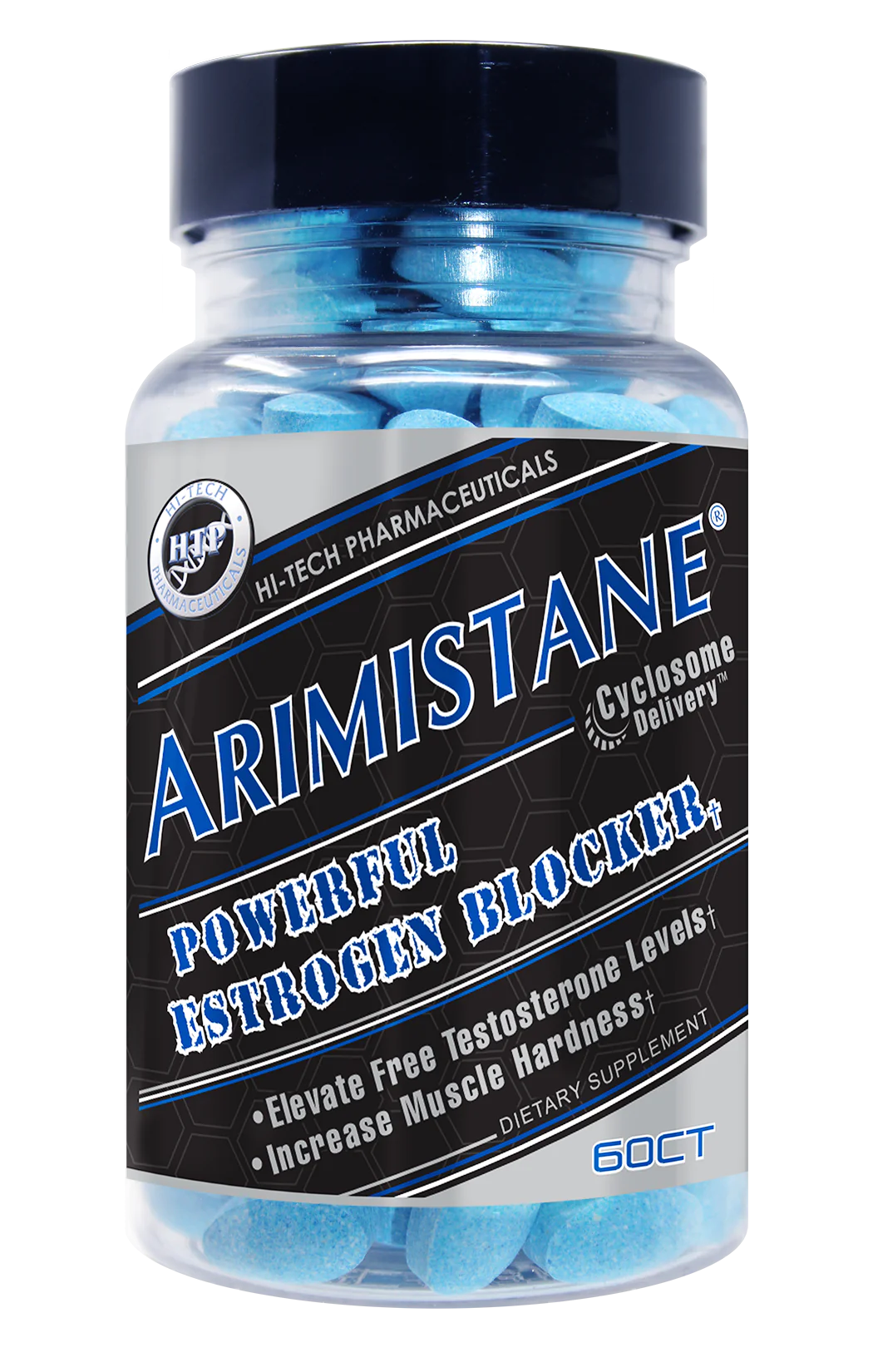
Anastrozole is primarily used to treat breast cancer in postmenopausal women by inhibiting aromatase, reducing estrogen levels. In men, it’s used off-label for gynecomastia or high estrogen due to steroids, but can cause side effects like joint pain, hot flashes, and fatigue. Reduced estrogen from long-term use may decrease bone density, raising osteoporosis risk. Mood changes and cholesterol effects can impact cardiovascular health, so careful medical monitoring is essential to balance treatment benefits and risks.

Left Menu Icon