
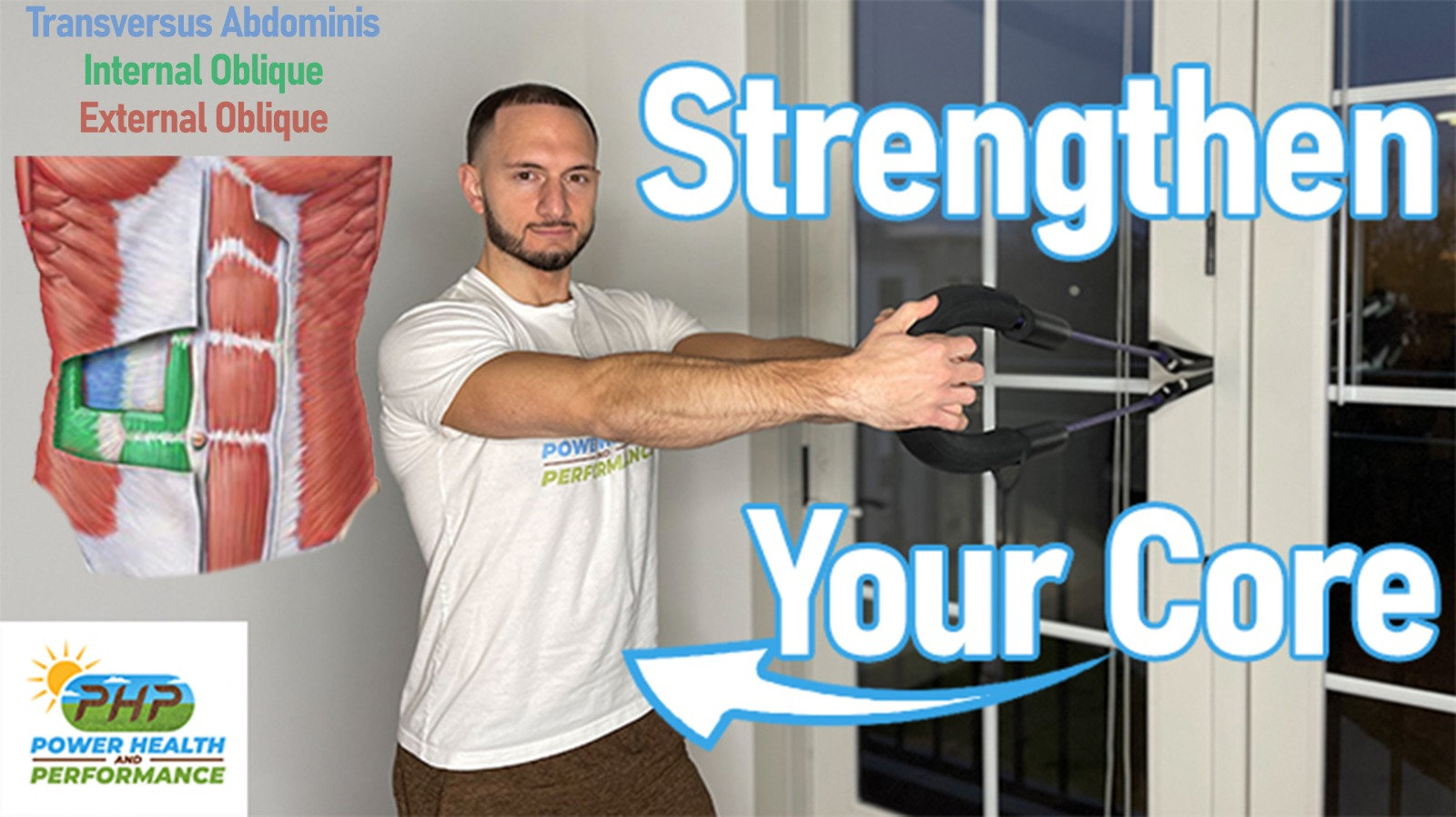
Strengthen Your Core: The Ultimate signal to Mastering Pallof Presses

If you’re searching for a dynamic way to enhance core stability while diversifying your workout routine, look no further than the Palloff press. Named after physical therapist John Palloff, this exercise is favored by trainers for its effectiveness in improving core strength, balance, and overall functional fitness. In this guide, we’ll delve into the technique and benefits of the Palloff press and provide tips for incorporating it into your fitness regimen.
What are Palloff Presses?
Palloff presses are anti-rotation core exercises that challenge the muscles of the abdomen and lower back while also engaging the shoulders and hips. The primary goal of the movement is to resist rotational forces on the body, thereby stabilizing your core musculature. This exercise is unique because it teaches the body to stay strong and stable when faced with an asymmetrical load, which is essential for everyday functional movements and athletic performance.
How to Perform the Palloff Press
To perform a Palloff press, you’ll need a resistance band or a cable machine with a handle attachment. Here is a step-by-step guide to mastering the form:
-
- Setup: Anchor the resistance band or adjust the cable machine to shoulder height. Stand perpendicular to the attachment point, feet hip-width apart.
-
- Handle Grip: Grasp the handle with both hands and step away from the anchor point, ensuring the band or cable is taut.
-
- Starting Position: Bring your hands towards your chest, keeping your elbows slightly bent and your body facing forward.
-
- Execution: Engage your core and slowly extend your arms straight out in front of you, pausing briefly at the end of the movement.
-
- Return: Return your hands to your chest in a controlled manner, maintaining your stance throughout.
-
- Reps and Sets: Aim for 2-3 sets of 10-15 repetitions on each side.
Benefits of Incorporating Palloff Presses
-
- Core Stability: By resisting rotational forces, the Palloff press strengthens core muscles, improving stability and reducing the risk of injuries.
-
- Functional Strength: Unlike traditional core exercises that might focus on flexion or extension, this movement emphasizes anti-rotation strength, which is crucial for balance and coordination.
-
- Versatility: It can be adapted for various fitness levels, allowing both beginners and athletes to benefit from its implementation.
-
- Posture Improvement: Enhancing core strength also aids in improving posture, reducing lower back pain, and heightening body awareness.
Conclusion
The Palloff press offers an innovative approach to core conditioning. With its ability to improve stability, strength, and functionality, it is a must-add exercise to any fitness program. Whether you use it to complement a strength training routine or as part of a rehab program, the benefits are vast and tailored to suit individual fitness levels.
For further reading on core stability exercises and incorporating them into your routine, check out this article from Harvard Health.
FAQs
What equipment do I need to perform Palloff presses?
All you need is a resistance band or a cable machine with a handle attachment.
How often should I incorporate Palloff presses into my routine?
Aim to include them 2-3 times a week, ensuring proper recovery in between.
Can beginners perform Palloff presses?
Yes, beginners can perform modified versions with lighter resistance and gradually progress.
For more detailed instructions on various exercise techniques, visit this resource by ACE Fitness.
BIG SALE | FAST SHIPPING
HOT PROMOTIONS!








ZPHC UltraMix 1ml amps x 10 amps - 1ml = 250mg

Original price was: $ 259.00.$ 179.00Current price is: $ 179.00.

The Pallof press is an effective core stabilization exercise that primarily targets the muscles of the abdomen, including the rectus abdominis and transverse abdominis, as well as the obliques and lower back muscles. Named after physical therapist John Pallof, this exercise is designed to enhance core strength and stability by resisting rotational forces. Unlike traditional core exercises like crunches or sit-ups, the Pallof press challenges the core dynamically, requiring the participant to maintain a stable trunk while pushing a resistance band or cable away from their body. This anti-rotational exercise can be performed in various positions, such as half-kneeling, standing, or seated, making it versatile for different fitness levels and rehabilitation programs. The integration of Pallof presses into a workout routine can aid in improving functional fitness, promoting better posture, and reducing the risk of injuries by enhancing overall core resilience.