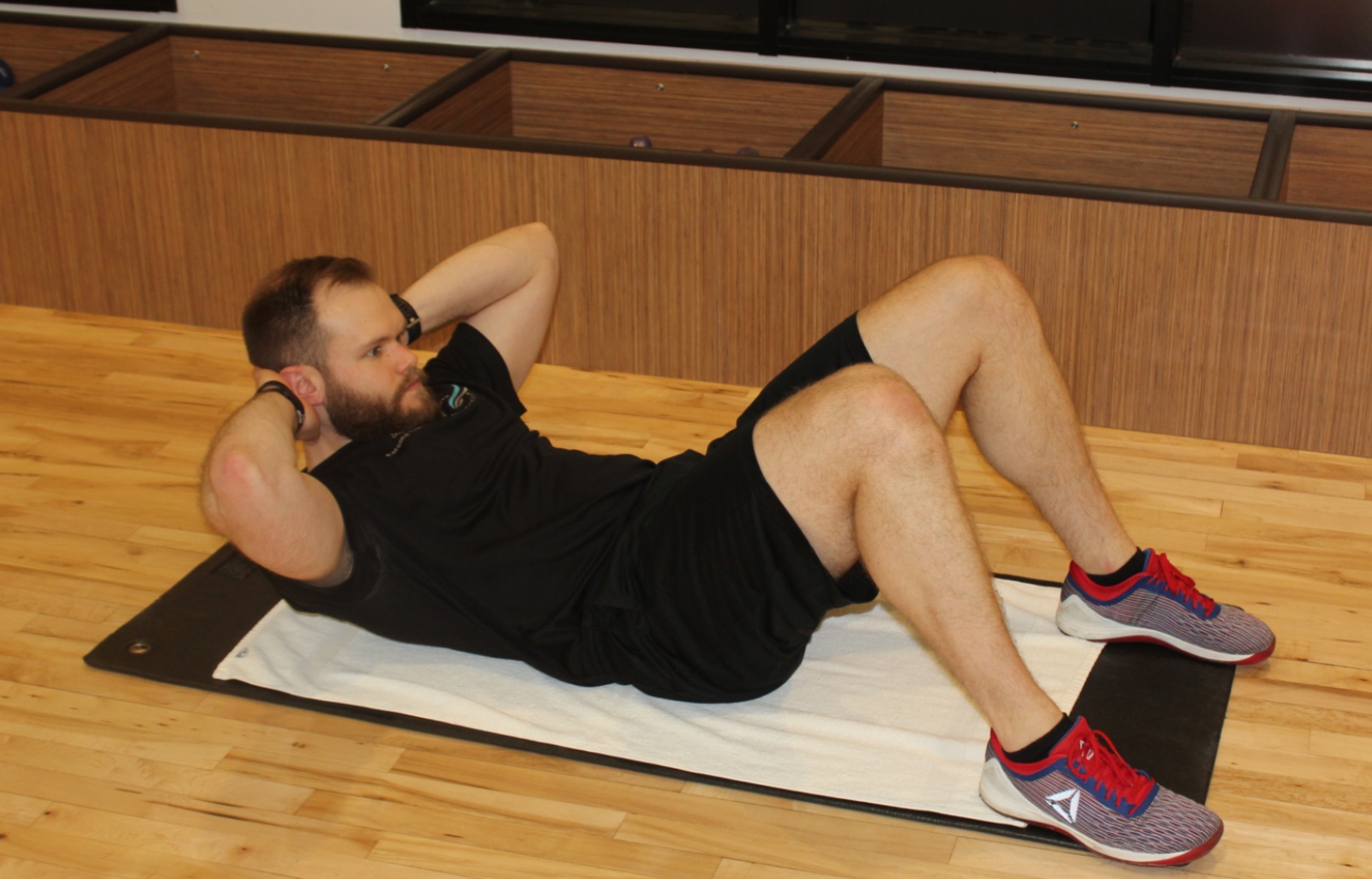
Strengthen Your Core with These Effective Pyramidalis Exercises
TABLE OF CONTENTS

The pyramidalis muscle, though small and often overlooked, plays a fundamental role in stabilizing the pelvis. Located in the lower part of the abdomen, this triangular muscle assists in the function and support of the rectus abdominis, contributing to core stability. Integrating pyramidalis exercises into your routine can lead to improved posture and overall core strength.
Understanding Pyramidalis: Why It Matters
The pyramidalis muscle is involved in tensing the linea alba, a fibrous structure running vertically along the midline of the abdomen. Although the muscle itself might not be well-known, it supports the core and is essential for those looking to enhance their athletic performance or reduce back pain. Strengthening this muscle can help achieve a balanced and powerful core.
Pyramidalis Exercise: Pelvic Tilt
The pelvic tilt is a great way to engage the pyramidalis muscle. Begin by lying on your back with knees bent. Flatten your lower back against the floor by tightening your abdominal muscles. Hold for a few seconds and then release, repeating this motion to target the pyramidalis specifically.
Pyramidalis Activation: Hip Bridge
Engaging in a hip bridge can fortify the pyramidalis. Start by lying on your back with your knees bent and feet flat on the ground. Lift your hips toward the ceiling while squeezing your glutes, keeping your core tight to involve the pyramidalis muscle. Lower slowly and repeat.
Implementing Pyramidalis: Leg Raises
Leg raises are an efficient way to engage the pyramidalis. Lie flat on your back with legs together. Keep your legs straight as you raise them to form a 90-degree angle with your torso. Lower them back down slowly, ensuring your lower back stays in contact with the floor throughout the exercise.
Innovative Pyramidalis Workout: Flutter Kicks
Flutter kicks not only target the pyramidalis but also engage the entire core. Lying on your back, extend your legs outward. Keep your legs straight and alternately lift them up and down in a fluttering motion. Engage your core to maintain stability.
BIG SALE | FAST SHIPPING
HOT PROMOTIONS!

CLOMIPHENE TABLETS 50mg 50 TABLETS FIERCE

Original price was: $ 99.00.$ 89.00Current price is: $ 89.00.

Beligas 10ml Vial Testosterone NPP Blend 150mg

Original price was: $ 119.00.$ 99.00Current price is: $ 99.00.


ZPHC UltraMix 10ml MultiUse Vial 1ml = 250mg

Original price was: $ 255.00.$ 179.00Current price is: $ 179.00.



Conclusion
Pyramidalis exercises, though frequently neglected, offer incredible benefits in terms of core stability and strength. By incorporating a diverse range of exercises, such as the pelvic tilt, hip bridge, leg raises, and flutter kicks, you can enhance the functional capabilities of this muscle. A stronger pyramidalis can contribute to better posture, reduced back pain, and increased core strength, making it an essential component of any comprehensive workout regimen.
FAQs
What is the pyramidalis muscle?
The pyramidalis is a small triangular muscle located at the base of the abdomen, near the pelvis. It assists in tensing the linea alba and plays a role in core stability.
Why should I focus on pyramidalis exercises?
These exercises help strengthen a crucial part of your core, contributing to better posture and reduced risk of back pain.
How often should I practice these exercises?
Incorporating these exercises 2-3 times a week into your core routine is generally recommended for balanced muscle development.
Pyramidalis exercises focus on strengthening the pyramidalis muscle, a small, triangular muscle located in the lower abdomen, just in front of the rectus abdominis. Although not commonly emphasized in standard fitness routines, targeting this muscle can aid in enhancing core stability and improving overall posture. Exercises aimed at engaging the pyramidalis often include targeted pelvic tilts, controlled lower abdominal lifts, and deep core activations, such as the dead bug exercise. By incorporating these exercises into a regular fitness regimen, individuals can potentially experience improved pelvic alignment and reduced lower back discomfort, as well as better coordination of the core muscles. While the pyramidalis muscle is relatively minor compared to other core muscles, its role in stabilizing the pelvis can contribute to a more balanced and resilient core structure.