Striking a Pose: The Essential Lead to Iconic Bodybuilding Stances

Bodybuilding is a sport that celebrates the sculpted human form through rigorous training and painstaking dedication. One of the most compelling aspects of bodybuilding competitions is the diverse array of poses that competitors showcase. These poses are not just about muscle display but also about presenting a well-balanced physique and displaying artistry in movement. In this article, we’ll delve into some of the most iconic poses in bodybuilding, explore their significance, and provide a better understanding for enthusiasts or aspiring bodybuilders.
Classic Poses in Bodybuilding
Front Double Biceps
The front double biceps pose is a staple in bodybuilding competitions. To perform this pose, competitors stand with legs slightly apart and flex their biceps while showing their front physique. This pose highlights the symmetry and proportionality of the muscles and is often considered a universal measure of a bodybuilder’s overall development.
Side Chest
In the side chest pose, athletes display their chest and arm muscles to the side, either the left or right. The competitor stands sideways to the judges, tucks one arm behind the back, and flexes the chest. This pose emphasizes the thickness and definition of the chest and shoulder muscles.
Back Double Biceps
Turning around for the back double biceps, bodybuilders showcase not only their biceps but also their back muscle definition. By standing with legs slightly apart and flexing both arms, this pose offers a comprehensive view of the upper back, shoulder symmetry, and muscular development.
Abdominal and Thigh
The abdominal and thigh pose focuses on the competitor’s core and quadriceps. By placing both hands behind the head and flexing the abdominals, this pose highlights the definition and muscular separation of the midsection and thigh.
Most Muscular
Typically used as a display of raw power and muscle mass, the most muscular pose is a fierce exhibition where bodybuilders flex their muscles fully to showcase size and definition. Whether a crab, hand-on-hip, or hands-together form, this pose demonstrates the density and overall muscularity.
The Significance of Poses
In bodybuilding, poses serve several purposes beyond simply showing off muscles. They are crucial for evaluating key aspects such as muscle mass, symmetry, proportions, and endurance. Each pose tells a story of the competitor’s journey and dedication to the sport. Understanding the nuances behind each pose gives the athletes a strategic advantage in showcasing their best features while minimizing areas of weakness.
Conclusion
Bodybuilding poses are integral to the sport, offering athletes the opportunity to display their physical hard work and artistry simultaneously. Whether you’re an observer or a participant, understanding these poses enhances the appreciation for the sport’s complexity and athletes’ dedication.
BIG SALE | FAST SHIPPING
HOT PROMOTIONS!




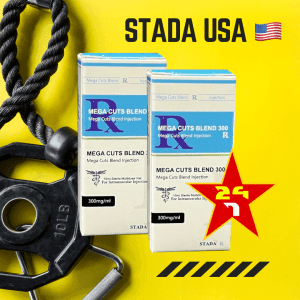
STADA MEGA CUTS BLEND 300 MG 10ML (TRENBOLONE)
Original price was: $ 129.00.$ 119.00Current price is: $ 119.00.




FAQs
What is the most popular pose in bodybuilding?
The front double biceps is often considered the most popular pose in bodybuilding due to its ability to showcase symmetry and muscle definition effectively.
Can anyone perform bodybuilding poses?
Yes, anyone can learn bodybuilding poses, but mastering them requires practice and an understanding of muscular anatomy. Aspiring bodybuilders can benefit from practicing poses regularly to develop muscle memory and confidence on stage.
Why are poses important in competitions?
Poses are vital in competitions as they allow judges to assess the athlete’s overall muscle development, symmetry, and conditioning. They also provide competitors a chance to highlight strengths and downplay weaknesses.
For more insights into fitness culture and techniques, check out Bodybuilding.com and T-Nation.
In bodybuilding, posing is an essential element that showcases the athlete’s muscular development, symmetry, and aesthetics. Competitors spend countless hours perfecting their poses to highlight their strengths and minimize any perceived weaknesses. Classic poses such as the front double bicep, back lat spread, and side chest are staples in competitions, each requiring precise technique to emphasize muscle definition and vascularity. Posing also involves dynamic transitions and the display of a confident stage presence, which can influence judges’ perceptions and ultimately affect rankings. Additionally, posing acts as an art form, where individual flair and creativity allow athletes to distinguish themselves, making it a critical component of both preparation and performance in the sport of bodybuilding.