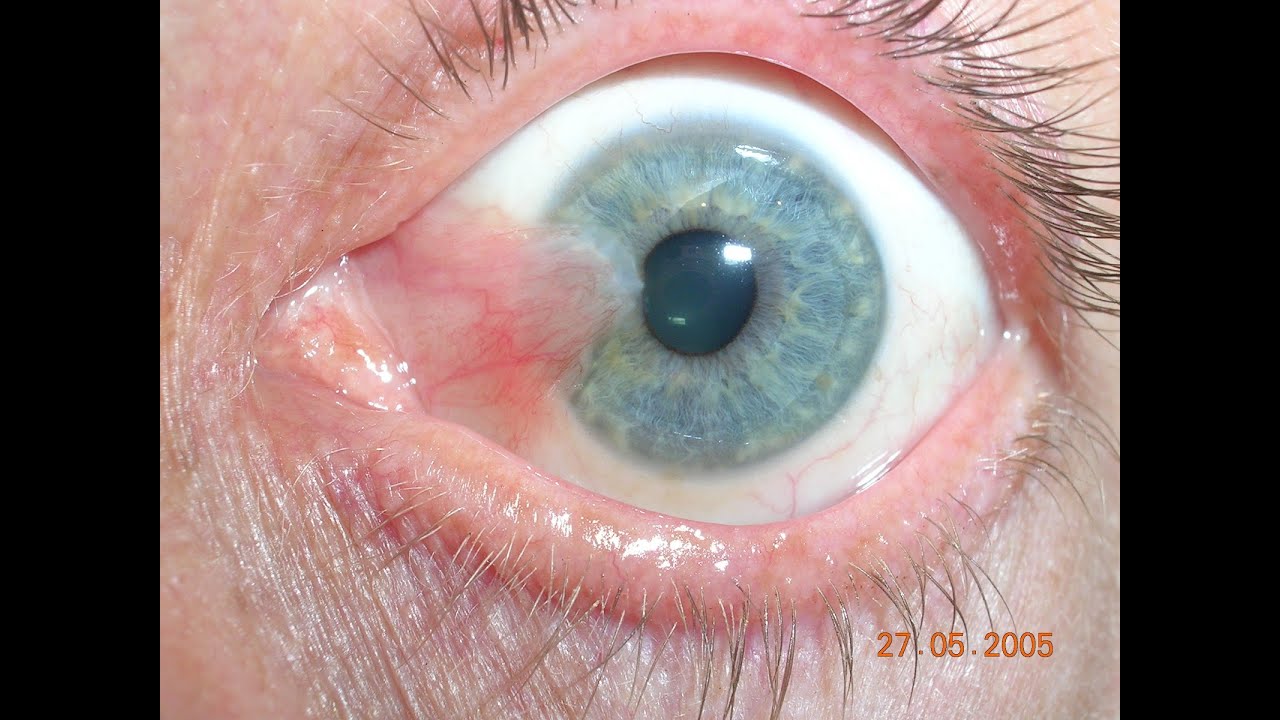
Surfer’s Eye: Understanding Pterygium and Its Impact
TABLE OF CONTENTS

Surfer’s eye, medically known as pterygium, is a common condition that affects individuals who spend a lot of time outdoors, particularly in sunny or windy environments. This ailment is characterized by a benign growth on the conjunctiva, the transparent membrane covering the white part of the eye. It can develop in one or both eyes and, if left untreated, could lead to visual impairment. This article delves into the causes, symptoms, and treatment of surfer’s eye, providing readers with valuable information to manage or prevent this condition effectively.
BIG SALE | FAST SHIPPING
HOT PROMOTIONS!






Causes of Surfer’s Eye
Surfer’s eye is primarily caused by prolonged exposure to ultraviolet (UV) light. People who spend considerable time in the sun, such as surfers, fishermen, and beachgoers, are particularly at risk. Wind and dust can also contribute to the development of the condition, as they tend to irritate the eyes and accelerate tissue growth. Genetic factors and a predisposition to dry eyes may also play a role in an individual’s susceptibility to the ailment.
Symptoms Associated with Surfer’s Eye
Individuals with surfer’s eye may experience a variety of symptoms. The most noticeable sign is the presence of a fleshy, wedge-shaped growth on the conjunctiva. This growth is typically pink or reddish and can cause irritation or redness in the eye. Other symptoms include a gritty feeling, itching, burning, and blurred vision. In severe cases, the growth may extend over the cornea, distorting vision and requiring surgical intervention.
Treatment Options for Surfer’s Eye
For those diagnosed with surfer’s eye, treatments range from lifestyle changes to surgical procedures. In mild cases, the use of lubricating eye drops can help alleviate dryness and discomfort. Anti-inflammatory medications or steroid-based eye drops may be prescribed to reduce swelling and irritation.
When these conservative measures fail to yield results, surgical removal of the pterygium may be necessary. Excision procedures have advanced, reducing recurrence rates significantly. Post-surgery, patients are advised to protect their eyes from sun exposure with sunglasses and hats to prevent re-growth.
Conclusion
Surfer’s eye, while not life-threatening, can significantly affect one’s quality of life if left unchecked. Awareness and proactive management, such as wearing UV-protective eyewear and minimizing exposure to irritants, are keys to prevention. Those who notice symptoms should seek professional advice promptly to prevent progression and maintain visual clarity.
FAQs about Surfer’s Eye
What is surfer’s eye?
Surfer’s eye, or pterygium, is a non-cancerous growth on the eye’s surface, commonly found among individuals exposed to elements like sun and wind for extended periods.
How can I prevent surfer’s eye?
Preventative measures include wearing sunglasses with UV protection, utilizing hats or visors, and using lubricating eye drops to maintain eye moisture. For more detailed prevention strategies, consider visiting this ophthalmology advice page or this weather exposure protection guide.
Is surfer’s eye reversible?
While some symptoms can be managed with medication, surgical removal is the only way to completely eliminate a pterygium. Post-surgical care and prevention strategies are vital to minimizing the risk of recurrence.
Surfer’s eye, medically known as pterygium, is a non-cancerous growth of fleshy tissue that develops on the conjunctiva, the clear lining of the white part of the eye. Often triangular in shape, it can extend over the cornea and may become red, swollen, and irritated, causing discomfort and affecting vision if left untreated. Primarily attributed to prolonged exposure to ultraviolet (UV) light, wind, and environmental irritants, it is commonly seen in surfers and those who spend significant time outdoors, particularly in sunny climates. Protective measures such as wearing UV-blocking sunglasses and wide-brimmed hats, as well as using artificial tears to prevent dryness, may reduce the risk of developing surfer’s eye. In more severe cases, where vision is affected or the growth is cosmetically concerning, surgical removal may be recommended by an eye care professional.