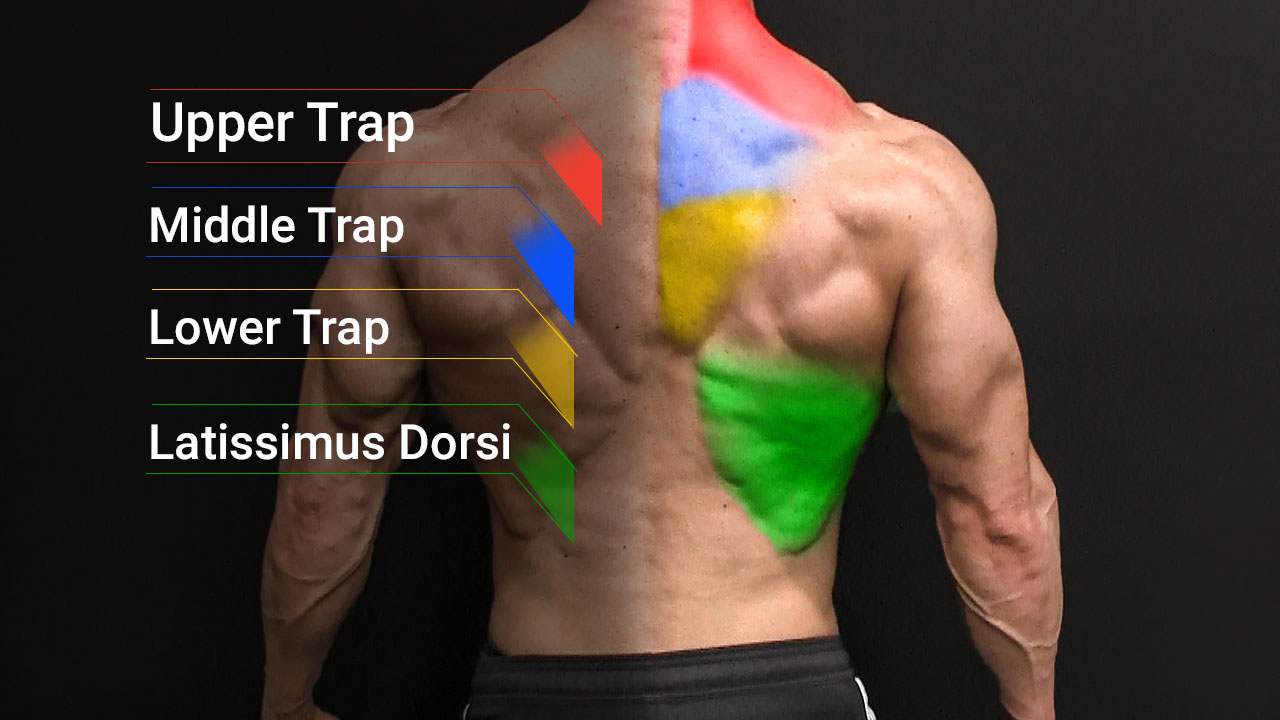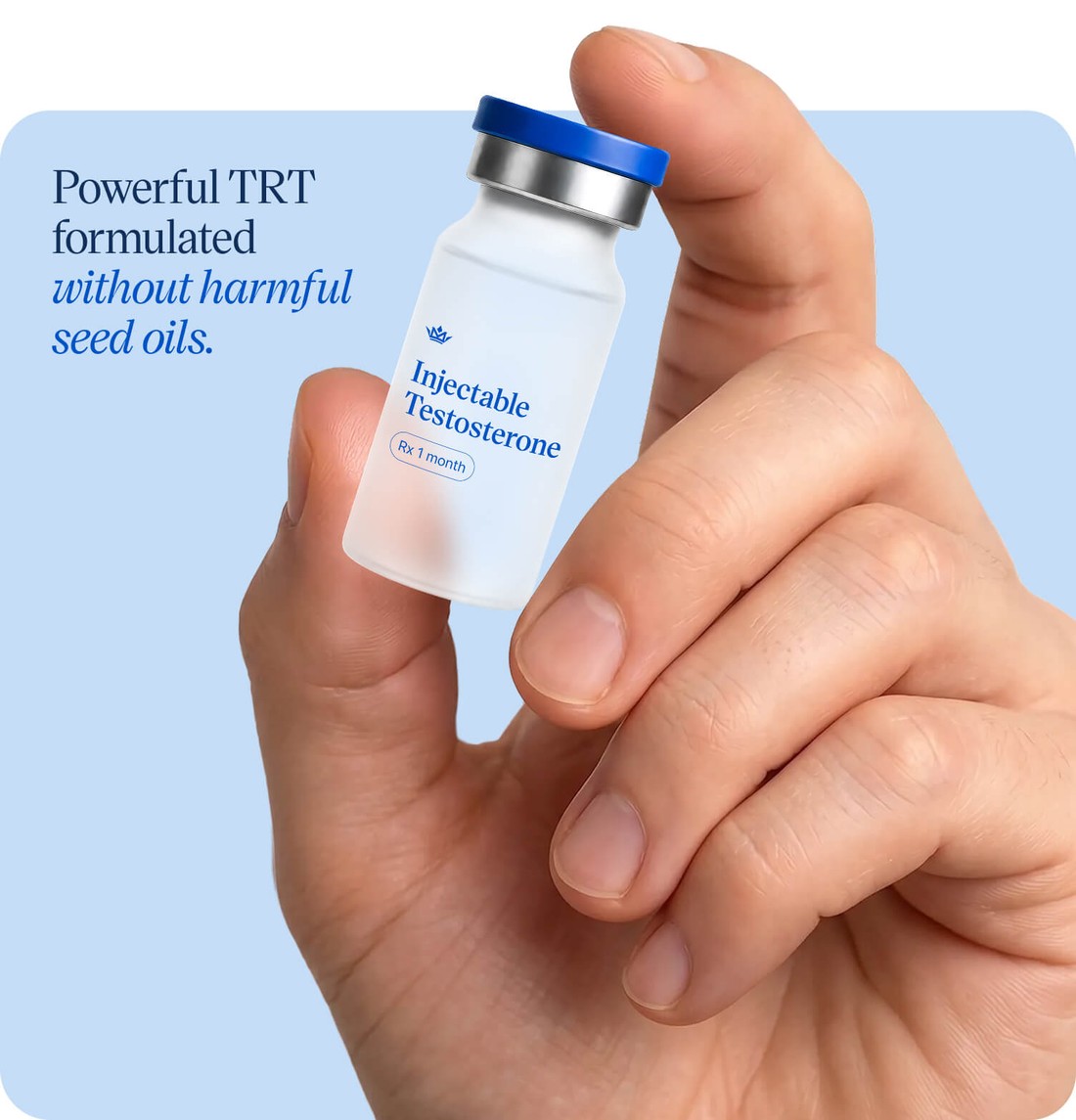

Test eq cycle before after
When it comes to bodybuilding and powerlifting, athletes often explore various training methodologies and supplementation strategies to enhance performance and physique. Among such supplementation options, the Testosterone Equipose (Test EQ) cycle has emerged as a popular choice. Understanding what happens to the body before and after engaging in a Test EQ cycle is crucial for anyone considering this path.
What is a Test EQ Cycle?
Test EQ cycle refers to the combination of Testosterone and Equipoise, two performance-enhancing substances, used over a period to amplify muscle growth, strength, and endurance. Testosterone is an essential hormone for building muscle mass, while Equipoise increases appetite and red blood cell production, potentially boosting oxygen delivery to muscles.
Before the Test EQ Cycle
Before starting a Test EQ cycle, it’s vital to establish clear objectives. Understand what you aim to achieve in terms of muscle size and strength. Typically, athletes undergo medical examinations to assess baseline hormonal levels, ensuring there are no underlying health concerns that could be exacerbated by steroid use. Planning your diet and workout routine is also essential to maximize the effects of the cycle.
Changes During the Test EQ Cycle
Once the cycle begins, users often experience increased protein synthesis and nitrogen retention in muscles, leading to significant muscle gains. Strength enhances progressively, allowing athletes to lift heavier weights and endure more intense workouts. It’s important to monitor one’s health continuously, adjusting dosages and cycle length as needed to minimize potential side effects.
After the Test EQ Cycle
Post-cycle, the body’s natural hormone production needs time to rebalance, and Post-Cycle Therapy (PCT) becomes essential. PCT helps in restarting natural testosterone production and maintaining the muscle gains acquired during the cycle. Users might experience temporary fluctuations in strength and mood as hormones stabilize, emphasizing the need for proper recovery protocols.
Conclusion
Engaging in a Test EQ cycle before and after presents various changes that athletes need to manage carefully. Proper planning, execution, and recovery strategies are pivotal in maximizing the benefits while minimizing potential risks. As with any performance-enhancing regimen, consulting with healthcare professionals is recommended to tailor an approach that’s both effective and safe.
BIG SALE | FAST SHIPPING
HOT PROMOTIONS!

Beligas Deca Durabolin 500mg/ml 10ml vial
Original price was: $ 269.00.$ 169.00Current price is: $ 169.00.
CROWX 👑 DECAROW 300 MG / 10 ML Vial (Nandrolone Decanoate)

Original price was: $ 188.00.$ 139.00Current price is: $ 139.00.
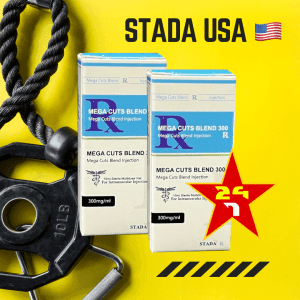
ZPHC UltraMix 10ml MultiUse Vial 1ml = 250mg

Original price was: $ 257.00.$ 181.00Current price is: $ 181.00.
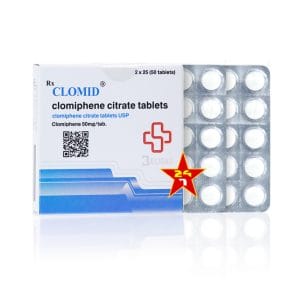

CROWX 👑 CLOMIROW 50 Mg / 50 Tabs ( Clomid )

Original price was: $ 181.00.$ 79.00Current price is: $ 79.00.
FAQs
Is a Test EQ Cycle safe?
While many athletes use it successfully, it is crucial to approach the cycle with caution, monitoring health and consulting professionals.
How long should a Test EQ Cycle last?
The cycle length can vary, but typically lasts 8 to 12 weeks, followed by a PCT phase to support hormonal balance.
Can women use a Test EQ Cycle?
Due to the potential for virilizing effects, women should use these substances cautiously and under professional guidance.
What side effects can occur?
Possible side effects include hormone imbalance, mood swings, and cardiovascular issues. Monitoring and proper management can help mitigate these risks.
How soon will I notice results?
Results typically start to appear a few weeks into the cycle, with more pronounced effects by the end.
Stay informed and make decisions that prioritize your health and well-being in pursuing your bodybuilding and powerlifting goals.
The Test EQ cycle, often used by athletes and bodybuilders, involves the administration of Testosterone Enanthate (Test) and Boldenone Undecylenate (Equipoise, abbreviated as EQ) to enhance muscle mass, strength, and performance. Before starting the cycle, individuals typically undergo assessments to determine their baseline hormone levels, overall health, and fitness goals. A medical professional’s guidance helps ensure the appropriate dosing and duration, usually ranging from 10 to 12 weeks. Following the cycle, Post Cycle Therapy (PCT) is crucial to help restore the body’s natural hormone production and mitigate potential side effects such as hormonal imbalance and suppressed testosterone levels. It’s essential to evaluate any changes in physical performance, muscle development, and overall well-being to assess the cycle’s effectiveness and address any adverse outcomes. Monitoring through blood tests and regular health check-ups becomes vital to ensure a safe and effective process.