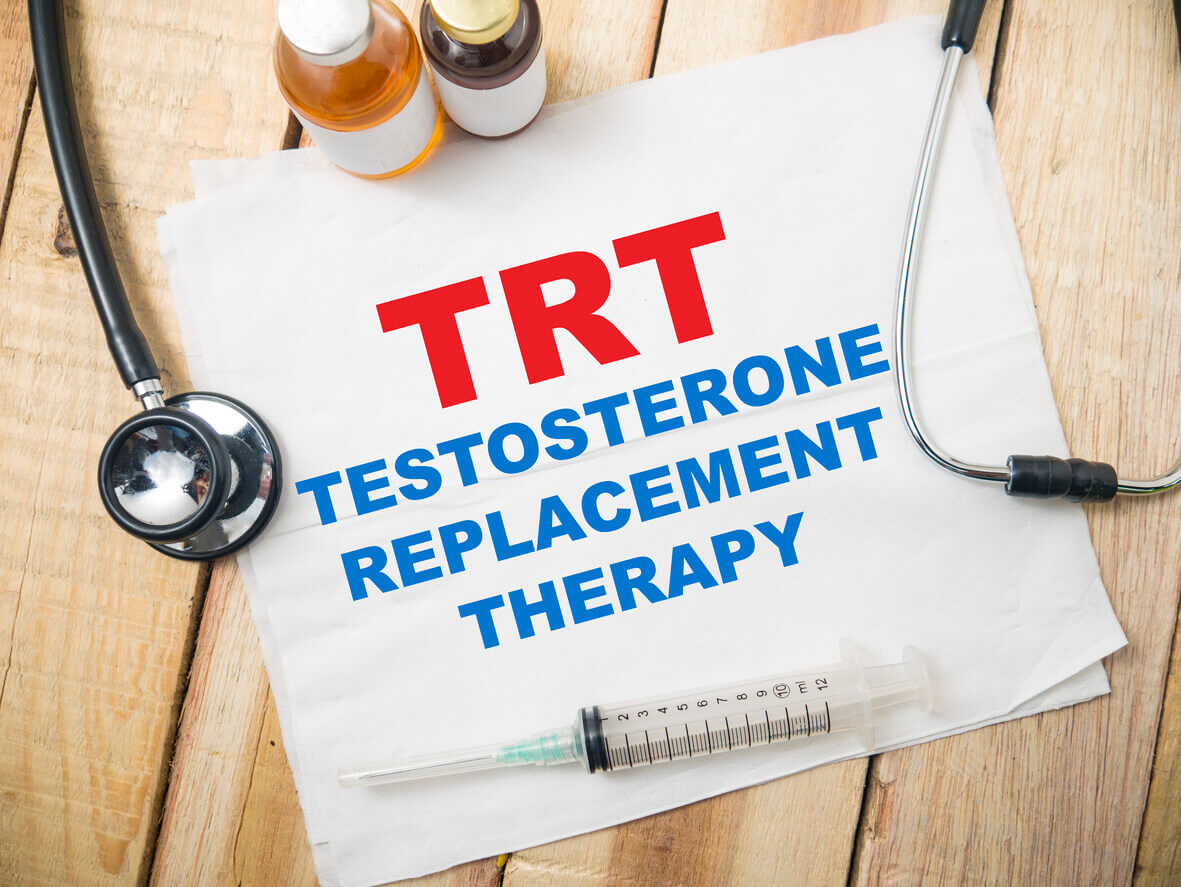
Testosterone Heptylate: Understanding Its Role in TRT
TABLE OF CONTENTS

In the realm of hormone replacement therapy and bodybuilding, synthetic derivatives of testosterone are frequently utilized to bring balance and enhance performance. One such compound is Testosterone Heptylate, a lesser-known but potent variant used for specific cases. While not as popular as its counterparts, Testosterone Heptylate offers unique benefits that make it a viable option for certain therapeutic needs.
What is Testosterone Heptylate?
Testosterone Heptylate is an injectable anabolic steroid that is formulated from testosterone, the principal male sex hormone responsible for the development of muscle mass, bone density, and other male characteristics. With an elongated ester such as heptylate, the absorption and activity timeline in the body is extended, thus allowing for less frequent injections. This can make it an attractive choice for individuals who require regular testosterone supplementation.
Benefits of Testosterone Heptylate
Testosterone Heptylate is primarily used in hormone replacement therapy for men who have low testosterone levels. This condition can manifest in a variety of symptoms, including fatigue, depression, and decreased libido. By supplementing with testosterone, many individuals experience significant improvements in their quality of life. Additionally, Testosterone Heptylate can be used by athletes and bodybuilders looking to increase muscle mass and strength due to its anabolic properties.
Administration and Dosage
While the specific dosage of Testosterone Heptylate can vary depending on the individual and the condition being treated, it is typically administered via intramuscular injection. It is crucial that this is carried out under the guidance of a healthcare professional to prevent any adverse effects and to ensure the correct dosage and frequency based on medical needs and goals.
Potential Side Effects
As with any steroid, Testosterone Heptylate presents the possibility of side effects. These can range from mild issues such as acne and hair loss to more severe effects like liver dysfunction or increased risk of cardiovascular diseases. Monitoring and regular check-ups are necessary to mitigate these risks when using any anabolic steroid.
Conclusion
Testosterone Heptylate serves as an effective solution for specific hormone replacement needs, especially when less frequent dosing is beneficial. However, its use should be carefully managed by healthcare professionals to maximize its benefits while minimizing potential side effects. Due to its potency, anything beyond prescribed treatments and supervision is not recommended.
BIG SALE | FAST SHIPPING
HOT PROMOTIONS!








FAQs on Testosterone Heptylate
1. How often should Testosterone Heptylate be administered?
The injection frequency depends on the individual’s need and physician’s recommendation, usually ranging from every 1-2 weeks.
2. Can women use Testosterone Heptylate?
It is not commonly prescribed to women due to the potential for virilizing effects, unless in specially monitored and justified medical circumstances.
3. How does Testosterone Heptylate differ from other testosterone esters?
Its heptylate ester results in a slower release into the bloodstream, requiring less frequent dosing compared to shorter esters.
Testosterone Heptylate, also known as testosterone enanthate, is a synthetic derivative of the naturally occurring male hormone testosterone. It is classified as an androgen and anabolic steroid (AAS) and is used primarily in the treatment of male hypogonadism, a condition where the body does not produce sufficient testosterone. Testosterone Heptylate is typically administered through intramuscular injection, and it provides a longer duration of action due to its esterified formulation, which allows it to be released slowly into the bloodstream. Besides its medical applications, it is also occasionally used by athletes and bodybuilders to enhance muscle mass and performance, although such use is often discouraged due to potential side effects and legal restrictions in sports. Possible side effects include changes in libido, mood alterations, increased risk of cardiovascular disease, and masculinization in women, among others. As with any hormone therapy, careful medical supervision is necessary to mitigate risks and ensure efficacy.