

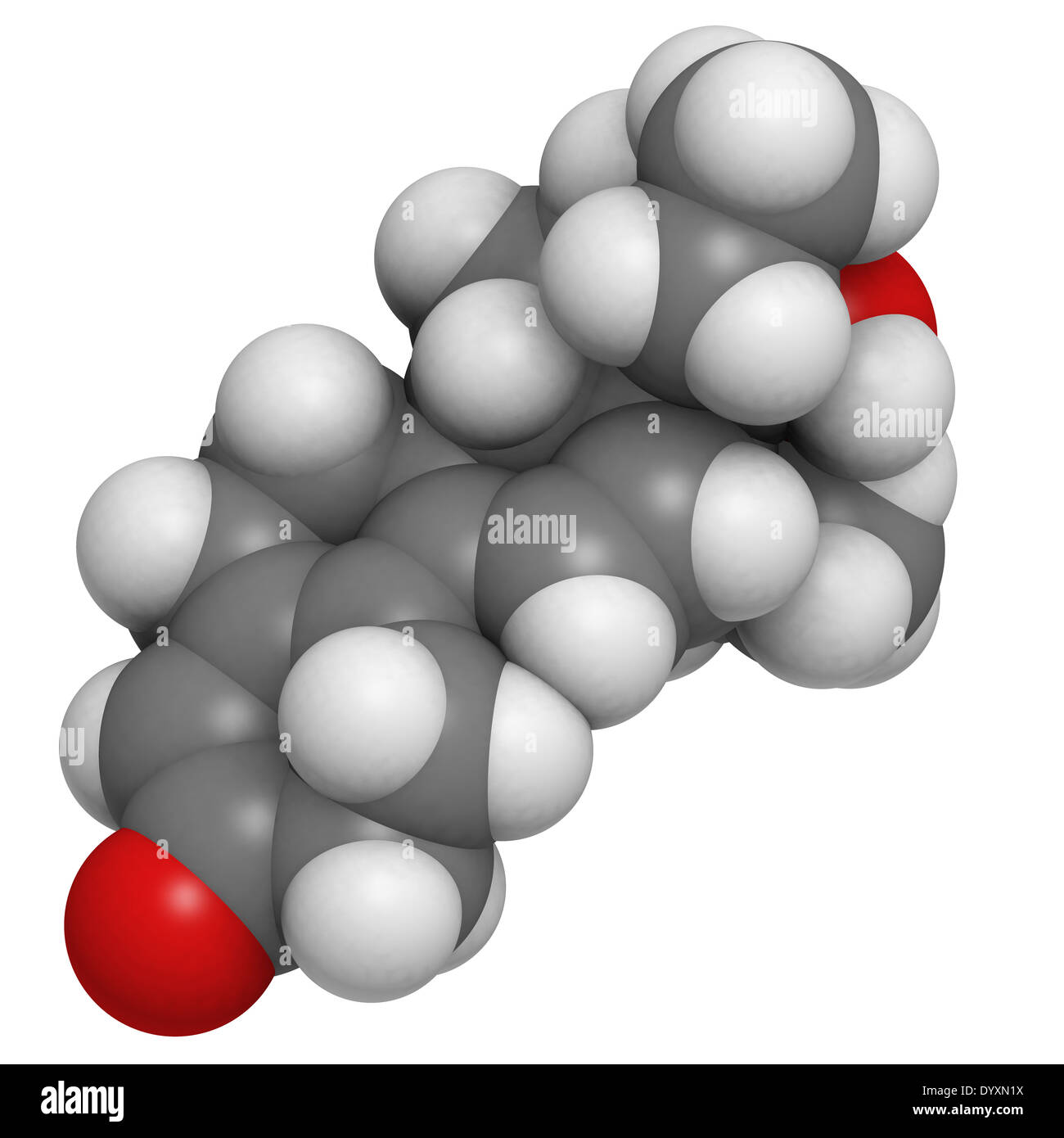
Tetrahydrogestrinone: The Drug that Changed the Doping Game

Tetrahydrogestrinone (THG) is a potent anabolic steroid that garnered worldwide attention due to its use in performance-enhancing drug scandals, particularly in athletics. Originally synthesized in the 1990s, THG was designed to be undetectable in traditional drug tests, thus providing athletes with an illicit edge. This article explores the history, effects, and ethical implications of Tetrahydrogestrinone use.
The History of Tetrahydrogestrinone
THG was developed by chemists who sought to create a substance that could maximize muscle growth and athletic performance without detection. Dubbed the “designer steroid,” it remained under the radar for years until the infamous BALCO scandal erupted in the early 2000s. The Bay Area Laboratory Co-operative (BALCO) was at the heart of a doping conspiracy that implicated top-tier athletes and led to significant changes in drug testing procedures. The discovery of THG marked a turning point in sports anti-doping efforts.
Effects of Tetrahydrogestrinone
Tetrahydrogestrinone is known for its anabolic properties, which promote increased protein synthesis and muscle mass. Users of THG may experience rapid strength gains, enhanced recovery, and increased aggression. However, these benefits come with significant risks. THG can cause a range of adverse effects, including liver damage, cardiovascular issues, infertility, and psychological disturbances. The toxicity and health implications of Tetrahydrogestrinone usage underscore its status as a substance best avoided, not only for ethical reasons but for the safety of athletes.
Ethical Implications of Tetrahydrogestrinone Use
The use of Tetrahydrogestrinone raises profound ethical questions about fairness and integrity in sports. Athletes who resort to using such substances undermine the spirit of competition, cheating both their competitors and the fans. Moreover, the use of THG and similar steroids sets a dangerous precedent for young athletes who may feel pressured to pursue performance enhancement at any cost. The sporting community continues to grapple with the balance between encouraging performance excellence and maintaining clean, ethical competition.
Conclusion
Tetrahydrogestrinone stands as a pivotal chapter in the history of sports and anti-doping measures. Despite its potential to enhance athletic performance, the risks associated with its use are significant, both for individual health and the integrity of sport. The emergence of THG has led to stricter drug testing protocols and a heightened awareness of the lengths some may go to achieve an unfair advantage. Moving forward, it is crucial for sporting bodies to remain vigilant and athletes to commit to clean competition.
BIG SALE | FAST SHIPPING
HOT PROMOTIONS!
CROWX 👑 CLOMIROW 50 Mg / 50 Tabs ( Clomid )
 Original price was: $ 79.00.$ 69.00Current price is: $ 69.00.








FAQs
What is Tetrahydrogestrinone?
Tetrahydrogestrinone, often abbreviated as THG, is a synthetic anabolic steroid that was developed to enhance athletic performance. Known for its undetectable nature in earlier drug tests, it gained notoriety in the BALCO scandal.
Is Tetrahydrogestrinone legal?
THG is classified as a prohibited substance by major sporting bodies, including the World Anti-Doping Agency (WADA). Its use is illegal in competitive sports.
Are there any known side effects of Tetrahydrogestrinone?
Yes, THG can have serious side effects, including liver damage, cardiovascular issues, hormonal imbalances, and psychological effects. The health risks make its use dangerous and inadvisable.
How was Tetrahydrogestrinone detected?
The detection of Tetrahydrogestrinone was made possible through advances in analytical chemistry techniques that allowed anti-doping agencies to identify previously “undetectable” steroids. Enhanced testing protocols were subsequently implemented.
For more in-depth information, you can explore The World Anti-Doping Agency’s website or visit The National Center for Biotechnology Information.
Tetrahydrogestrinone (THG) is a synthetic anabolic-androgenic steroid that gained notoriety in the early 2000s as a performance-enhancing drug in the world of professional sports. It was developed to be undetectable through standard drug testing at that time, due to its unique structure which was not initially on the list of banned substances by athletic organizations. THG is derived from gestrinone and was clandestinely used by athletes to illegally improve performance by increasing muscle mass and strength, enhancing endurance, and reducing recovery times. The scandal surrounding its use came to light during the BALCO (Bay Area Laboratory Co-operative) investigation, which uncovered extensive doping among elite athletes. The emergence of THG highlighted the ongoing challenges faced by anti-doping agencies in keeping up with new, designer performance-enhancing drugs, prompting a push for more robust and comprehensive testing methodologies.