


The Basics of Subcutaneous Injections: A Guide for Beginners

Subcutaneous (SC) injections are a common medical practice used for delivering medications directly into the tissue layer between the skin and the muscle. This method is favored for certain types of medications that require slow, sustained release into the bloodstream. Examples include insulin, heparin, and some vaccines. Despite their widespread use, there are important safety considerations to keep in mind, one being the strict rule to never use the same SC injection twice.
What Are SC Injections?
SC injections involve administering medication through a needle inserted under the skin, typically in areas with a good layer of subcutaneous fat, such as the thigh, abdomen, or upper arm. This method allows for a slower absorption of medication compared to intravenous injections, making it suitable for hormones and other drugs that need to be released steadily into the system.
Safety Concerns with SC Injections
Risks of Reusing SC Injections
Using the same SC injection more than once can pose serious health risks. The primary risks include:
- Infection: Each use of a syringe and needle can introduce bacteria and pathogens into the site of injection. Reusing the same instrument increases the likelihood of infection, which can lead to severe complications, including abscesses and systemic infections.
- Contamination: Medication residues from a previous injection can contaminate the new dose, leading to incorrect dosing and potential drug interactions.
- Integrity of the Needle: Reusing a syringe can compromise the sharpness and cleanliness of the needle, causing unnecessary pain and tissue damage during subsequent uses.
Proper Disposal of SC Injection Instruments
Proper disposal of needles and syringes is crucial to prevent accidental injuries and maintain hygiene standards. Following administration, needles should be placed in a sharps container—a puncture-proof, leak-proof container specifically designed for safe needle disposal. It’s vital to follow local regulations regarding the disposal of medical sharps to ensure community safety.
Why Adhering to Proper SC Injection Protocol Matters
Adhering to the correct protocols for SC injections is integral to the safety and efficacy of the treatment. Healthcare practitioners and patients must understand and follow these guidelines to minimize risks. Following proper procedures not only protects individual health but also upholds public health standards.
Educational Resources
For those looking to learn more about SC injections, accessing materials from reputable medical organizations can be invaluable. Consider resources from the World Health Organization or the Centers for Disease Control and Prevention for detailed guidelines and best practices.
Conclusion
Subcutaneous injections are a vital medical tool, but must be handled with care and attention to safety protocols. Never using the same SC injection twice is a fundamental rule that protects individuals from infections, dosing errors, and tissue damage. Both healthcare professionals and patients must act responsibly to maintain the efficacy of treatments and ensure patient safety.
FAQs About SC Injections
What is an SC Injection?
An SC injection, or subcutaneous injection, involves administering medicine into the tissue layer between the skin and muscle.
Why shouldn’t the same SC injection be used twice?
Reusing SC injections increases the risk of infection, incorrect dosing, and injury due to a compromised needle.
How should one dispose of SC injection instruments?
Used syringes and needles should be disposed of in a sharps container to prevent accidents and contamination. Local disposal regulations should always be followed.
Are there alternatives to SC injections?
In some cases, oral medications or patches may be used as alternatives, depending on the drug involved. Consult a healthcare provider for options.
BIG SALE | FAST SHIPPING
HOT PROMOTIONS!

Beligas 10ml Vial Testosterone NPP Blend 150mg

Original price was: $ 119.00.$ 99.00Current price is: $ 99.00.
CROWX 👑 CLOMIROW 50 Mg / 50 Tabs ( Clomid )
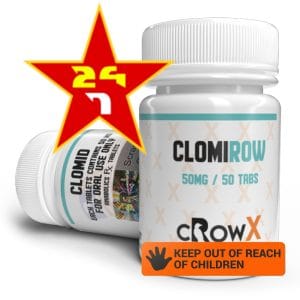
Original price was: $ 79.00.$ 69.00Current price is: $ 69.00.
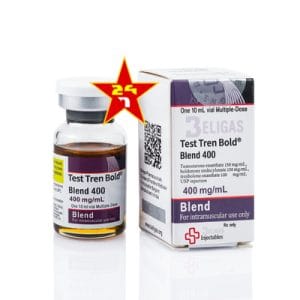

STADA MEGA CUTS BLEND 300 MG 10ML (TRENBOLONE)

Original price was: $ 129.00.$ 119.00Current price is: $ 119.00.

ZPHC UltraMix 10ml MultiUse Vial 1ml = 250mg
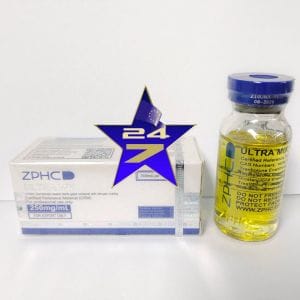
Original price was: $ 255.00.$ 179.00Current price is: $ 179.00.
Subcutaneous injection, often abbreviated as SC injection, is a method of administering medication into the tissue layer between the skin and the muscle. This route is commonly used for vaccines, insulin, and other medications that require slow, sustained absorption into the bloodstream. SC injections are typically performed using a short, fine needle that is inserted at a 45 to 90-degree angle, depending on the individual’s body mass and the needle’s length. Common sites for subcutaneous injections include the abdomen, outer thighs, and upper arms, areas with enough fat layer to absorb the medication effectively. Proper technique and site rotation are crucial to minimize discomfort and prevent complications such as lipohypertrophy, which can occur with repeated injections in the same area.