The Dark Side of Oxytocin: Jealousy and In-Group Bias
TABLE OF CONTENTS

Oxytocin is often referred to as the “love hormone” due to its profound role in human bonding and emotional connections. Beyond its influence on psychological well-being, oxytocin is increasingly recognized for its potential impact on skin health and overall wellness.
Understanding Oxytocin
Oxytocin is a peptide hormone and neurotransmitter produced in the hypothalamus and secreted by the pituitary gland. Its primary functions include promoting uterine contractions during childbirth and facilitating lactation. More recently, researchers have been exploring the benefits of oxytocin outside its traditional domains, particularly in the realm of dermatology and wellness.
The Connection Between Oxytocin and Skin Health
The skin is the body’s largest organ and serves as a protective barrier against environmental damage. Emerging studies suggest that oxytocin may play a pivotal role in skin rejuvenation and anti-aging processes. The hormone has demonstrated potential in enhancing collagen production, reducing inflammation, and accelerating wound healing—key components in maintaining youthful and resilient skin.
Additionally, oxytocin’s anti-inflammatory properties may help alleviate skin conditions such as eczema, psoriasis, and acne. By mitigating inflammation, it assists in reducing redness, swelling, and irritation, ultimately promoting clearer and healthier skin.
Oxytocin and Overall Wellness
Beyond skincare, oxytocin’s influence extends to overall wellness. It is known to reduce stress and anxiety, offering a sense of calmness and emotional balance. This stress-reducing effect can also have a positive impact on physical health, leading to better immunity, improved heart function, and even weight management.
The hormone has garnered attention in fitness and bodybuilding communities for its potential role in muscle recovery and growth. Oxytocin supplementation, through injections or other methods, is being investigated for its efficacy in enhancing post-exercise recovery and promoting lean muscle mass.
FREE SHIPPING
BIG SALE | FAST SHIPPING
HOT PROMOTIONS!


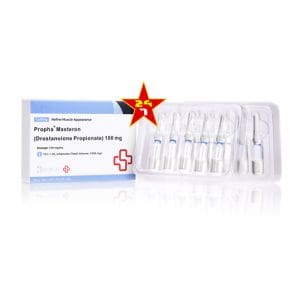

STADA DHB DIHYDROBOLDENONE 100MG 10 ML

Original price was: $ 219.00.$ 109.00Current price is: $ 109.00.



Conclusion
Oxytocin’s potential extends far beyond its traditional roles in childbirth and emotional connection. As research continues to unveil its various functions, oxytocin appears to offer promising benefits for both skin health and overall wellness. Its ability to promote collagen production, reduce inflammation, and facilitate emotional well-being positions oxytocin as a valuable component in both skincare routines and holistic health approaches.
FAQs
What are the primary benefits of oxytocin in skincare?
Oxytocin may improve collagen production, reduce inflammation, and accelerate wound healing, contributing to healthier, more youthful skin.
How does oxytocin affect overall wellness?
Oxytocin helps reduce stress and anxiety, improve emotional well-being, support cardiovascular health, and may aid in muscle recovery and weight management.
Can oxytocin be used to treat skin conditions?
Yes, oxytocin’s anti-inflammatory properties can help alleviate conditions like eczema, psoriasis, and acne by reducing redness and irritation.
Is oxytocin supplementation safe?
Consult with a healthcare provider before starting any supplementation, as individual needs and health conditions vary.
#peptides #skincare #antiaging #b #skin #beauty #collagen #wellness #weightloss #sermorelin #ghrp #stayfit #bodybuilding #injections #hcg #skincareroutine #hcgphase #hcgdiet #hcginjections #doral #hcgplus #hcgworks #miami #hcgpellets #hcgdrops #hcgusers #hcgcommunity #hcgresults #miamibeach #hcgprotocol #hcgchica #alastinskincare
Oxytocin, often referred to as the “love hormone” or “cuddle hormone,” is a powerful chemical in the brain that plays a pivotal role in social bonding, sexual reproduction, childbirth, and postpartum periods. Produced in the hypothalamus and secreted by the pituitary gland, oxytocin facilitates a range of emotional and physical effects, including promoting trust and empathy during social interactions, enhancing mother-infant bonding, and stimulating uterine contractions during labor and milk ejection during breastfeeding. Beyond its physiological roles, oxytocin is increasingly studied for its potential therapeutic benefits in treating conditions such as autism, anxiety, and depression, as it influences behaviors related to attachment and stress. Despite its positive associations, researchers continue to explore the complexities of oxytocin interactions in the brain, recognizing that its effects can vary widely depending on individual and contextual factors.