The Ethics of Melanotan II: Navigating Tanning Practices in a Health-Conscious World
TABLE OF CONTENTS

In recent years, Melanotan II has gained traction in the realm of skincare and wellness for its reputed tanning and metabolic benefits. Though it was originally developed in the 1980s for preventing skin damage due to UV radiation, Melanotan II has become popular for a variety of uses, such as enhancing skin tone and promoting weight loss. Below, we delve into the science, benefits, concerns, and frequently asked questions about this intriguing compound.
What is Melanotan II?
Melanotan II is a synthetic analogue of the peptide hormone alpha-melanocyte-stimulating hormone (α-MSH), which is naturally produced in the body. This hormone is responsible for stimulating the production of melanin in the skin, the pigment that dictates our skin color. By mimicking α-MSH, Melanotan II can artificially enhance the levels of melanin, potentially leading to a tanned appearance without direct exposure to sunlight.
Benefits of Melanotan II
One of the primary appeals of Melanotan II is its skin-tanning capability, offering an attractive alternative for those wanting to avoid UV damage. Beyond this, users have reported appetite suppression, leading to weight loss, and increased libido. These multifaceted benefits have contributed to its rise as a sought-after peptide in various wellness and beauty circles, particularly among bodybuilding enthusiasts and those engaged in anti-aging skincare.
Concerns and Controversies
Despite its array of benefits, Melanotan II is not without controversy. The lack of FDA approval and comprehensive research into its long-term effects raises questions about safety. Side effects might include nausea, flushing, and, more seriously, long-term skin changes. Its injection method also poses risks of infection if not administered correctly. Therefore, it is crucial for potential users to consult healthcare providers prior to usage.
[h2] Conclusion [/h2>
Melanotan II offers a fascinating insight into the possibilities of peptide science, merging beauty, wellness, and weight management. However, given the potential side effects and the need for more robust scientific validation, it is essential for individuals to approach its use with caution, seeking professional advice and staying informed on ongoing research.
FAQs
1. Is Melanotan II safe to use?
While some users report favorable outcomes, the lack of regulatory approval and definitive studies suggests caution. It is advisable to discuss its use with healthcare professionals.
2. How is Melanotan II administered?
Melanotan II is typically administered via subcutaneous injection. It’s vital to practice proper hygiene and follow dosage instructions to minimize risks.
3. Can Melanotan II aid in weight loss?
Some users have reported appetite suppression and weight loss; however, results may vary, and it is not universally recognized as a weight-loss aid.
FREE SHIPPING
BIG SALE | FAST SHIPPING
HOT PROMOTIONS!


MASTERON ENANTHATE AUCTUS 200MG 10ML
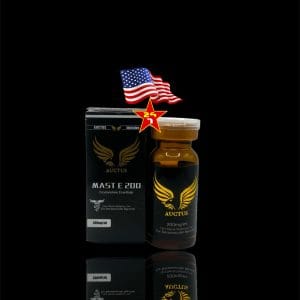
Original price was: $ 120.00.$ 105.00Current price is: $ 105.00.

ZPHC Dbol Dianabol Methandienone 10mg x 100 tablets
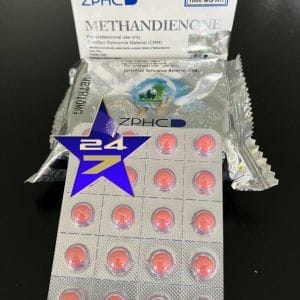
Original price was: $ 99.00.$ 69.00Current price is: $ 69.00.


Melanotan II is a synthetic analog of the naturally occurring peptide hormone alpha-melanocyte-stimulating hormone (α-MSH), primarily known for its ability to induce skin tanning. Originally developed to help protect against skin cancer by stimulating melanin production, Melanotan II has gained popularity for its cosmetic applications, offering users a sunless tan. In addition to its tanning effects, the compound has been studied for its potential in enhancing libido due to its influence on melanocortin receptors, which play a role in sexual arousal. However, the use of Melanotan II is not without controversy, as it is not approved by regulatory bodies like the FDA or EMA for any use, and potential users should be cautious of side effects and long-term safety concerns. The allure of achieving a bronzed complexion without sun exposure has led to its widespread use, but individuals should approach it with due diligence, considering both legal status and health implications.