The Financial Implications of Testosterone Therapy Costs
TABLE OF CONTENTS

Testosterone therapy has become an increasingly popular solution for men seeking to address low levels of testosterone, also known as “Low T”. While the health benefits of such therapies can be significant, understanding the associated costs is crucial for those considering this treatment option. This article delves into the various factors that influence testosterone therapy costs and what you should anticipate financially.
Factors Influencing Testosterone Therapy Costs
The cost of testosterone therapy can vary widely depending on several factors such as geographic location, choice of medical provider, frequency of treatment, and whether you’re receiving injections, gels, patches, or pellets. On average, patients can expect to pay between $50 and $350 per month for therapies, but it’s important to note that these figures can fluctuate.
Insurance and Out-of-Pocket Costs
Many insurance plans may cover part or all of testosterone replacement therapy costs, especially if it is deemed medically necessary. Without insurance, the financial burden can be significant. For those with insurance, understanding your co-pay or deductibles is imperative. Customers should verify with their provider exactly what is covered to avoid unexpected expenses.
Supplementary Costs and Considerations
Aside from the primary treatment expenses, individuals might incur additional costs such as routine blood tests, doctor’s consultations, and monitoring, which are necessary to ensure the treatment’s effectiveness and safety. Laboratory tests alone can range from $30 to $150 each, further impacting the total cost.
Conclusion: Weighing the Investment
The investment in testosterone therapy can be substantial, particularly for those without adequate health insurance. Therefore, it is essential to carefully weigh the potential health benefits against the financial implications. Consulting with a healthcare professional can provide better clarity on what to expect and aid in navigating these costs effectively. Remember, investing in your health is invaluable and should align with both your healthcare needs and financial situation.
BIG SALE | FAST SHIPPING
HOT PROMOTIONS!
CYT 3 6MG | T3 | Yohimbe | Clen | Weight Loss Blend | 100 Tablets Total Kit 600mg
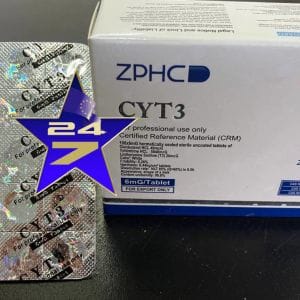
$ 69.00


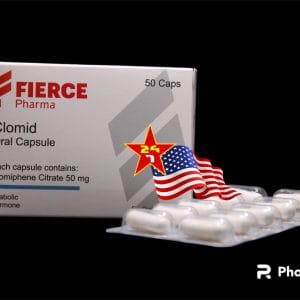
CLOMID 50MG FIERCE 50 TABLETS
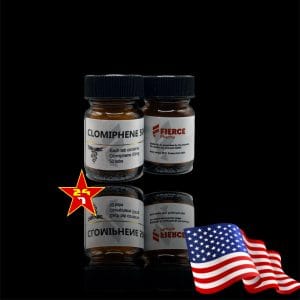
Original price was: $ 129.00.$ 119.00Current price is: $ 119.00.


FAQs
What is testosterone therapy?
Testosterone therapy is a treatment designed to increase levels of testosterone in those with low hormone levels, often administered as injections, patches, gels, or pellets.
Is testosterone therapy covered by insurance?
Some insurance plans do cover testosterone therapy, but this can vary greatly among providers. It’s crucial to check with your insurer for specifics regarding coverage.
How much does testosterone therapy cost from month to month?
The monthly costs typically range from $50 to $350 depending on the treatment method, provider, and whether costs are supplemented by insurance.
Are there additional costs other than the treatment itself?
Yes, additional expenses may include blood tests, medical consultations, and monitoring, which are integral parts of the therapy regimen.
Who should consider testosterone therapy?
Individuals experiencing symptoms of low testosterone such as fatigue, depression, or diminished libido might consider discussing testosterone therapy with their healthcare provider.
#Bodybuilding #Bodybuildingmotivation #Powerlifting #Bodybuilder #Heavyweightlifting #Workoutathome #stayfit #bodybuilding
Testosterone therapy can be a significant financial consideration for many individuals seeking to address low testosterone levels or related health issues. The costs of testosterone therapy vary widely based on factors such as the form of treatment, geographic location, and healthcare provider. Injectable testosterone is often less expensive than topical gels, patches, or implanted pellets, but it can still range from $30 to $100 per month without insurance. Topical treatments, like gels and patches, can be considerably more expensive, potentially costing several hundred dollars per month. Compounded formulations might offer cost savings but may not always be covered by insurance. Additionally, patients must account for the costs of medical consultations, regular blood tests to monitor testosterone levels, and potential side effects management, further increasing overall expenses. Insurance coverage can greatly affect out-of-pocket costs; however, not all plans provide full coverage for testosterone therapy, requiring individuals to carefully assess their financial options and healthcare needs.