

The Hidden Strain: How Trenbolone Side Effects Impact Personal Relationships

Trenbolone, commonly known as Tren, is an anabolic steroid popular for its muscle-building potential and ability to enhance athletic performance. Despite its advantages, Tren is notorious for triggering a range of side effects, forming complex relationships with various bodily systems. Understanding these Tren side effects relationships is crucial for individuals considering its use and those seeking effective management strategies.
Cardiovascular Complications
The cardiovascular system is often affected by Tren side effects. Trenbolone can lead to increased blood pressure and unfavorable lipid profiles, increasing the risk of heart disease. These Tren side effects relationships are concerning, as they may have long-term implications on heart health.
Psychological Impact
Tren’s influence on the mind is another significant relationship. Known for altering mood states, Tren can cause heightened aggression, irritability, and anxiety. These psychological Tren side effects relationships can disrupt daily life, impacting personal and professional relationships.
Hormonal Changes
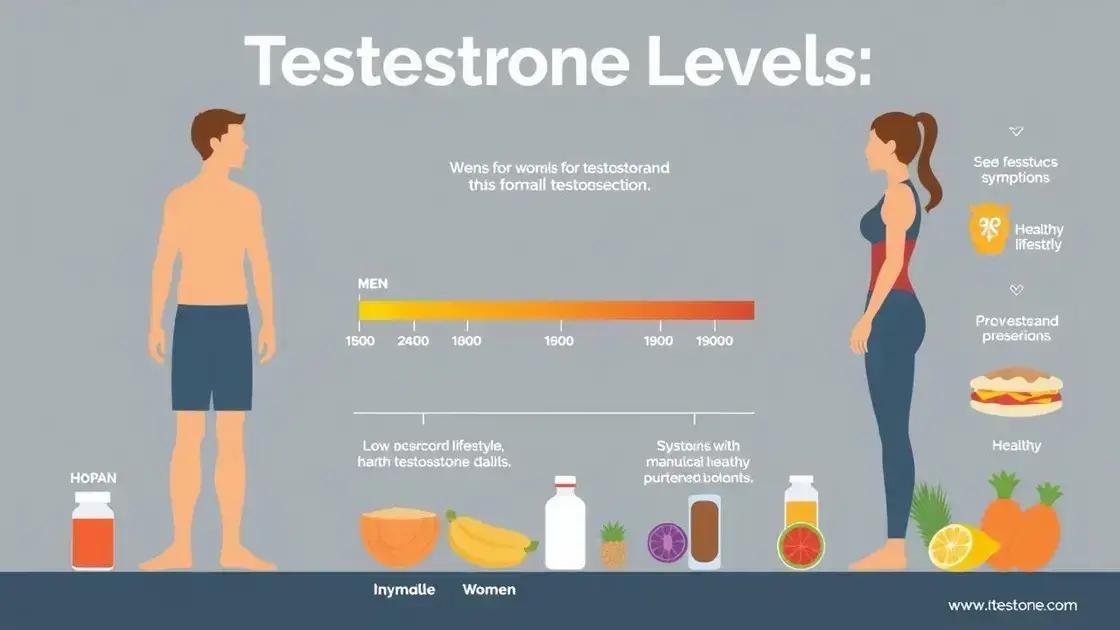
Tren also affects hormonal balance, suppressing natural testosterone production. This Tren side effects relationship can result in decreased libido, erectile dysfunction, and even gynecomastia. Post-cycle therapy is often required to mitigate these issues.
Physical Health Concerns
Tren use is linked to various physical side effects, such as night sweats, insomnia, and increased sweating. These Tren side effects relationships can severely impact sleep quality and overall well-being. Users should be aware of how these physical changes might affect their lifestyle.
Liver and Kidney Stress
Like other steroids, Tren can put significant stress on the liver and kidneys, leading to potential organ damage over time. Understanding the Tren side effects relationships in this context can help users take preventive measures by ensuring regular monitoring and implementing protective supplements.
Conclusion
Trenbolone presents a unique set of relationships between its usage and side effects, affecting cardiovascular health, mental state, hormone levels, and organ function. These complex Tren side effects relationships highlight the importance of carefully considering the risks and benefits before starting Tren. Consultation with a healthcare professional is essential to safeguarding one’s health.
FAQs
What is Tren?
Trenbolone is an anabolic steroid used to enhance muscle mass and performance.
What are the common side effects of Tren?
Common side effects include cardiovascular issues, mood changes, hormonal imbalances, and physical health concerns.
How can Tren side effects be managed?
Managing Tren side effects involves monitoring health, adjusting dosages, and possibly using supplements or medications under medical supervision.
Is Tren safe for long-term use?
Long-term use of Tren is not recommended due to the potential for severe health risks and side effects.
Can Tren affect mental health?
Yes, Tren can lead to mood swings, increased aggression, and anxiety.
FREE SHIPPING
BIG SALE | FAST SHIPPING
HOT PROMOTIONS!

SUSTANON 500 AUCTUS TESTOSTERONE BLEND 10ML

Original price was: $ 140.00.$ 119.00Current price is: $ 119.00.




CROWX 👑 SUSTAROW 300 MG/ 10 ML Vial SUSTANON

Original price was: $ 109.00.$ 99.00Current price is: $ 99.00.

#gym #fitness #workout #fit #fitnessmotivation #bodybuilding #motivation #gymmotivation #training #gymlife #muscle #health #fitfam #lifestyle #sport #personaltrainer #fitnessmodel #crossfit #exercise #love #healthy #healthylifestyle #instagood #strong #instagram #weightloss #instafit #fitnessaddict #fitnessjourney #stayfit #bodybuilding #cardio
Trenbolone, commonly referred to as “Tren,” is a powerful anabolic steroid widely used for muscle building and performance enhancement. However, its use can lead to a range of side effects that highlight the complex interplay between its potent anabolic properties and the physiological responses it triggers. Among the most notable side effects are increased aggression and mood swings, often referred to as “roid rage,” which can affect personal relationships and social interactions. Besides psychological impacts, Tren can lead to severe physical health concerns such as cardiovascular strain, liver toxicity, and hormonal imbalances, including diminished natural testosterone production. These adverse effects underscore the importance of understanding the implications of Tren usage, not only on individual health but also on the dynamics of interpersonal relationships, where mood and behavioral changes can lead to conflicts and emotional distress. Therefore, individuals considering or currently using Tren should weigh these risks and ideally seek guidance from medical professionals to mitigate potential negative outcomes.