The Link: Can Low Testosterone Levels Trigger Depression?
TABLE OF CONTENTS

Testosterone is a crucial hormone in the human body, primarily known for its role in developing male characteristics and reproductive functions. However, its impact goes beyond that. There is an ongoing debate in the medical community regarding whether low testosterone levels can lead to depression. In this article, we will explore this potential connection and delve into the science behind it.
The Role of Testosterone in Mental Health
Testosterone plays a vital role in many bodily functions, including mood regulation. Some studies suggest a connection between low testosterone levels and mental health issues, including depression. Testosterone affects neurotransmitters such as serotonin, which is integral to regulating mood and emotions.
BIG SALE | FAST SHIPPING
HOT PROMOTIONS!
CLOMID 50MG FIERCE 50 TABLETS

Original price was: $ 129.00.$ 119.00Current price is: $ 119.00.
CROWX 👑 CLOMIROW 50 Mg / 50 Tabs ( Clomid )

Original price was: $ 79.00.$ 69.00Current price is: $ 69.00.


FIERCE CLOMID 50MG 50CAPS
Original price was: $ 129.00.$ 119.00Current price is: $ 119.00.
ZPHC Clomid Clomiphene 25mg/tablet | 100 Tablets Total: 2500mg

Original price was: $ 159.00.$ 65.00Current price is: $ 65.00.


Does Low Testosterone Cause Depression? Examining the Evidence
Several studies have investigated the potential relationship between testosterone levels and depression. Although findings are not always consistent, there is evidence to support the idea that reduced testosterone can be linked to depressive symptoms. A study published by the National Institute of Health found that men with lower testosterone levels are more likely to experience symptoms of depression. However, while this evidence is compelling, it is also crucial to recognize that depression is a multifaceted condition influenced by various factors.
Symptoms and Diagnosis
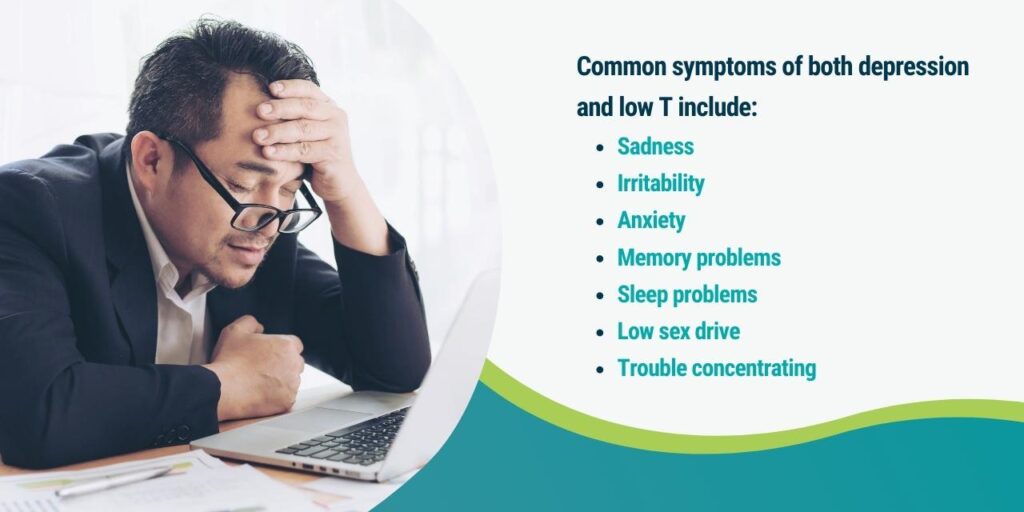
If low testosterone indeed plays a part in depression, recognizing symptoms becomes critical. Men with low testosterone might experience lethargy, irritability, poor concentration, and a decrease in motivation—symptoms that overlap with depression. Diagnosing whether testosterone levels are contributing to depression often requires a comprehensive medical evaluation involving hormone testing and psychological assessments.
Treatment Options
Testosterone replacement therapy (TRT) is a common treatment for those diagnosed with low testosterone. Some patients report improvements in mood and energy levels after starting TRT. However, it is essential to consider other aspects of mental health treatment, like therapy and medication, which can provide comprehensive relief from depression. Consulting a healthcare professional is key to determining an appropriate treatment plan.
Conclusion: Does Low Testosterone Cause Depression?
While there is evidence to suggest a link between low testosterone levels and depression, the relationship is not fully understood. It appears that low testosterone might contribute to depressive symptoms in some individuals, but it is not the sole cause. A holistic approach to diagnosis and treatment is necessary, ensuring that all aspects of an individual’s mental and physical health are considered.
FAQs
Can low testosterone independently cause depression?
While low testosterone can be a contributing factor, depression is often the result of multiple factors including genetic, environmental, and psychological components.
Is TRT a successful treatment for depression?
Testosterone replacement therapy can alleviate symptoms of low testosterone, potentially improving mood. However, combining TRT with conventional depression treatments often yields the best results.
How do I know if low testosterone is contributing to my depression?
A healthcare provider can evaluate your symptoms and conduct tests to determine if low testosterone may be influencing your mood.
For more detailed information, consider visiting WebMD.
Low testosterone levels, also known as hypogonadism, can indeed have significant psychological effects, including the potential to cause or exacerbate depression. Testosterone plays a crucial role in regulating mood, cognitive function, and overall emotional well-being. When levels of this hormone are insufficient, individuals may experience symptoms such as fatigue, irritability, and a diminished sense of well-being, which are also common markers of depression. Additionally, low testosterone can lead to decreased libido, reduced muscle mass, and weight gain, which may contribute to a negative self-image and further exacerbate feelings of depression. While the relationship between testosterone levels and depression is complex and influenced by various factors, including age, genetics, and lifestyle, addressing low testosterone through medical interventions such as hormone replacement therapy and lifestyle changes like exercise and diet may help alleviate depressive symptoms in affected individuals. However, it is crucial for individuals to consult with healthcare professionals for a comprehensive evaluation and appropriate treatment, as hormone levels are only one component of a broader mental health picture.