The Mastoid Process: Anatomy and Clinical Significance
TABLE OF CONTENTS

The mastoid region is a crucial part of the human anatomy, located just behind the ear and forming an integral part of the temporal bone. It plays a significant role in the physiology of the skull and offers protection to essential structures within the ear. This article delves into the anatomy, functions, and potential health concerns associated with this region.
Anatomy of the Mastoid Region
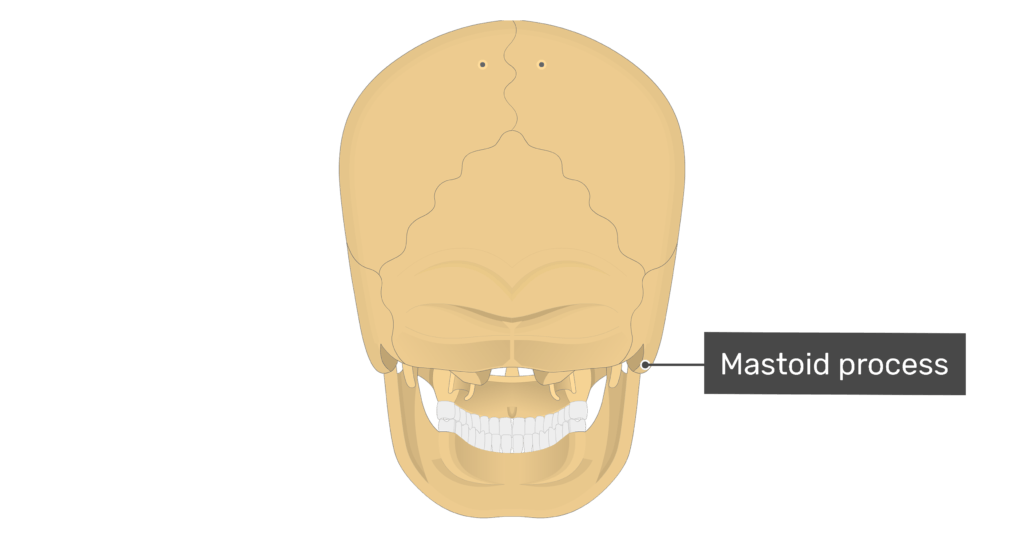
The mastoid region consists of a bony projection known as the mastoid process, which is a conical structure that extends from the temporal bone. It is honeycombed with air cells that connect to the middle ear, facilitating processes such as ventilation and drainage. The region supports neck muscles, including the sternocleidomastoid, which are vital for head movement and posture.
Functions of the Mastoid Region
Besides providing structural support, the mastoid region has other essential functions. It acts as a reservoir for air pockets that help maintain balance and pressure in the middle ear. This region also protects delicate structures such as the inner ear organs that are responsible for hearing and balance. The mastoid’s air cells help regulate ear pressure, vital for preventing middle ear infections and maintaining auditory health.
Health Implications Involving the Mastoid Region
Given its proximity to the ear and its involvement in crucial bodily functions, the mastoid region can be susceptible to various health issues. Ear infections, particularly middle ear infections known as otitis media, can spread to the mastoid process, leading to a condition called mastoiditis. Symptoms typically include pain, swelling, and tenderness behind the ear. Prompt medical intervention is critical to prevent further complications such as hearing loss or the spread of infection to other parts of the skull.
Conclusion
The mastoid region is more than just a bony prominence behind the ear. It plays several vital roles in maintaining ear health and facilitating head movements. Awareness and timely treatment of any health issues affecting this region are essential.
BIG SALE | FAST SHIPPING
HOT PROMOTIONS!






ZPHC UltraMix 10ml MultiUse Vial 1ml = 250mg

Original price was: $ 255.00.$ 179.00Current price is: $ 179.00.

FIERCE CLOMID 50MG 50CAPS

Original price was: $ 129.00.$ 119.00Current price is: $ 119.00.
Frequently Asked Questions
What is the primary function of the mastoid region?
The primary function of the mastoid region is to support head movements, facilitate pressure balance within the ear, and protect delicate inner ear structures. Its air cells serve as a reservoir that helps maintain ear pressure and prevents infections.
What are common health issues associated with the mastoid region?
Mastoiditis is a common health concern, often resulting from untreated middle ear infections. This condition can cause swelling, pain, and infection behind the ear, requiring prompt treatment to avert severe complications.
How is mastoiditis treated?
Mastoiditis treatment typically involves antibiotics to eradicate the infection. In severe cases, surgical intervention may be necessary to drain the infected mastoid cells. Early medical attention usually results in a favorable outcome.
Can issues in the mastoid region affect hearing?
Yes, conditions such as mastoiditis can affect hearing if left untreated, as the infection and inflammation may spread to structures responsible for hearing within the middle and inner ear. For more information on related ear issues, you can visit Mayo Clinic and WebMD.
Careful attention to symptoms and regular health check-ups can help protect the mastoid region and the vital functions it supports.
The mastoid region is a part of the temporal bone located behind the ear in the human skull. It is characterized by a protruding area known as the mastoid process, which is filled with air cells that communicate with the middle ear. This bony prominence serves several functions, including providing attachment for various muscles of the neck and acting as a reservoir for air, thus playing a role in maintaining the proper air pressure within the middle ear. Clinically, the mastoid region is significant because it can be affected by infections such as mastoiditis, typically arising as a complication of acute otitis media. This area’s proximity to critical structures like the facial nerve and the brain makes it essential in surgical considerations and otologic examinations. Understanding the anatomy and health of the mastoid region is crucial for diagnosing and treating ear-related conditions.