The Mystery of Muscular Calves: Why Your Gastrocnemius Stands Out
TABLE OF CONTENTS

Genetic Factors: Why Is My Gastrocnemius So Big?
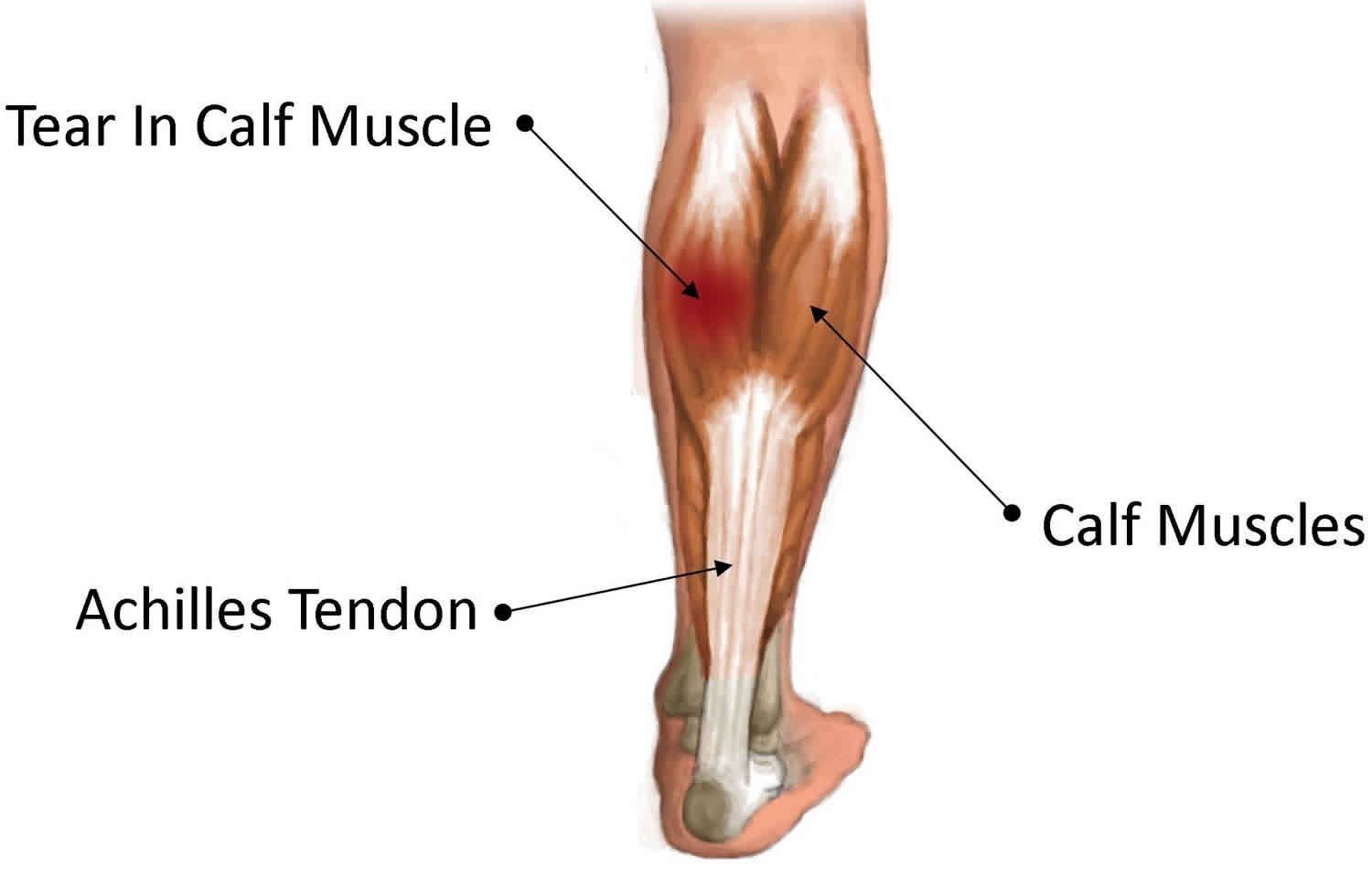
Genetics plays a critical role in determining muscle size. Some people naturally have a larger gastrocnemius due to their genetic makeup. This can be linked to the proportion of fast-twitch versus slow-twitch muscle fibers. Fast-twitch fibers, which are common in the gastrocnemius, tend to grow larger when exercised, contributing to muscle mass.
Muscle structure and attachment points also influence the appearance and size of the gastrocnemius. Individuals with a shorter Achilles tendon might experience more apparent muscle bulge, which can make the calf appear larger.
Physical Activity’s Impact on Gastrocnemius Size
Engaging in specific exercises can lead to a more prominent gastrocnemius. Activities that involve plantar flexion of the foot, such as running, cycling, and climbing, heavily rely on this muscle. Consistent exercise focusing on the calves, like calf raises or hill sprints, can increase muscle size significantly.
Moreover, exercise alone isn’t enough. Proper nutrition and rest are vital for muscle growth and recovery, contributing to muscle size over time.
BIG SALE | FAST SHIPPING
HOT PROMOTIONS!

FIERCE CLOMID 50MG 50CAPS

Original price was: $ 129.00.$ 119.00Current price is: $ 119.00.


CLOMIPHENE TABLETS 50mg 50 TABLETS FIERCE

Original price was: $ 99.00.$ 89.00Current price is: $ 89.00.

Fierce nandrolone decanoate 300 / ml 10ml

Original price was: $ 131.00.$ 119.00Current price is: $ 119.00.

ZPHC UltraMix 10ml MultiUse Vial 1ml = 250mg

Original price was: $ 255.00.$ 179.00Current price is: $ 179.00.
Dietary Factors: Why Is My Gastrocnemius So Big?
Diet can indirectly affect why your gastrocnemius is big. Consuming a diet high in protein supports muscle repair and growth. Meanwhile, caloric intake directly influences muscle mass: eating more calories than your body burns can result in increased muscle size if combined with strength training. Learn more here.
Other Factors
Apart from genetics and physical activity, other factors like hormones (e.g., testosterone levels) can influence muscle size. Additionally, certain medical conditions can cause swelling or hypertrophy of the muscle.
Conclusion
The question of “Why is my gastrocnemius so big?” can often be answered by examining a combination of genetics, physical activity, and lifestyle factors. Understanding the influence of each of these aspects can help individuals.make informed decisions about their fitness routines and body image. Regular exercise, a balanced diet, and understanding genetic predispositions are key components in managing muscle size.
FAQs: Why Is My Gastrocnemius So Big?
1. Can I reduce the size of my gastrocnemius muscle?
Yes, you can target reduction by focusing on lean muscle exercises and cardio to reduce overall muscle mass and fat.
2. Does a larger gastrocnemius imply superior athletic performance?
Not necessarily. While a larger muscle may seem advantageous, muscle efficiency and composition generally play more critical roles in performance. Find out more.
3. How can I strengthen my gastrocnemius without increasing its size?
Focus on endurance exercises with higher repetitions and lower weights to build strength without significant hypertrophy.
The size of your gastrocnemius muscle, commonly referred to as the calf muscle, can be attributed to several factors. Genetics play a significant role, as your muscle composition and natural propensity for muscle growth are inherited traits. Regular physical activity, particularly exercises that engage the lower legs like running, cycling, or strength training, can lead to hypertrophy, which is the enlargement of muscle fibers. Additionally, engaging in activities that require explosive power, such as sprinting or jumping, can further stimulate growth in the gastrocnemius. A balanced diet that provides adequate protein and nutrients also supports muscle development. If you have an unusually large gastrocnemius, it might simply be a combination of genetic predisposition and lifestyle factors such as frequent, intense training and efficient muscle recovery practices.