The Power of Amino Acids: Your clue to Accelerated Weight Loss
TABLE OF CONTENTS

In the quest for effective weight loss solutions, amino acids have emerged as a promising avenue. Known as the building blocks of proteins, amino acids play a critical role in numerous bodily functions, including metabolism, muscle repair, and the regulation of hormones. As researchers continue to delve into the potential of amino acid weight loss, new insights are unveiling the power of these essential compounds in supporting healthy weight management.
The Science Behind Amino Acid Weight Loss
Amino acids are categorized into essential and non-essential types. Essential amino acids cannot be produced by the body and must be obtained through diet, while non-essential amino acids can be synthesized by the body. In the context of weight loss, certain amino acids like leucine, lysine, and arginine have gained attention for their unique properties.
Leucine, for instance, aids in preserving lean muscle mass during periods of calorie restriction. By supporting muscle retention, leucine helps maintain metabolic rates and enhances overall energy expenditure. This is crucial for effective weight management and sustainable fat loss.
Lysine, another essential amino acid, contributes to weight loss by participating in carnitine synthesis. Carnitine is a compound that transports fatty acids into the mitochondria, where they are oxidized for energy. This process aids in reducing body fat stores and promotes a healthier body composition.
Arginine, a semi-essential amino acid, plays a multifaceted role in weight management. It boosts the production of nitric oxide, which improves blood flow and nutrient delivery to muscles. Moreover, arginine stimulates the release of growth hormones, facilitating the reduction of body fat and the building of lean muscle mass.
How Amino Acid Weight Loss Works
Integrating amino acids into a balanced diet can complement traditional weight loss strategies by maximizing fat burning while preserving muscle tissue. The thermic effect of protein metabolism, stimulated by amino acid intake, requires more energy, thereby increasing calorie expenditure.
Additionally, amino acids can help regulate appetite and reduce cravings. For instance, the amino acid tryptophan is a precursor to serotonin, a neurotransmitter that influences mood and appetite control. By boosting serotonin levels, tryptophan can help curb emotional eating and support adherence to a nutrient-rich diet.
Conclusion
Incorporating amino acid weight loss into your regimen can provide a natural and effective boost to your weight management efforts. These essential compounds not only support fat loss and muscle retention but also enhance metabolic processes and aid in appetite control. While amino acids are not a standalone solution, their integration into a comprehensive approach that includes diet and exercise can amplify results and promote long-term success.
FAQs
What are the benefits of amino acid weight loss?
Amino acids can enhance fat burning, support muscle retention, regulate appetite, and boost metabolic processes, making them a valuable addition to weight loss strategies.
How should one incorporate amino acids into their diet?
Incorporate amino acids through high-protein foods like lean meats, eggs, dairy, and legumes, or consider supplements if dietary intake is insufficient.
Are there any side effects of amino acid weight loss?
When consumed in moderation as part of a balanced diet, amino acids are generally safe. However, excessive intake, particularly through supplements, might lead to digestive issues or imbalances.
Can amino acids alone lead to weight loss?
Amino acids are not a magic bullet. They should be combined with a balanced diet, regular exercise, and healthy lifestyle choices for optimal results.
For more insights on amino acids and weight management, explore this scientific overview or delve into nutritional guidance.
BIG SALE | FAST SHIPPING
HOT PROMOTIONS!
Fierce nandrolone decanoate 300 / ml 10ml

Original price was: $ 131.00.$ 119.00Current price is: $ 119.00.

FIERCE CLOMID 50MG 50CAPS

Original price was: $ 129.00.$ 119.00Current price is: $ 119.00.

ZPHC UltraMix 1ml amps x 10 amps - 1ml = 250mg
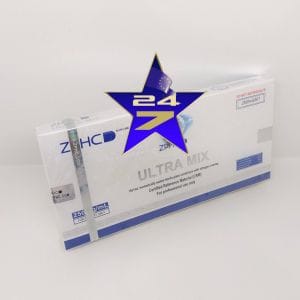
Original price was: $ 259.00.$ 179.00Current price is: $ 179.00.

STADA MEGA CUTS BLEND 300 MG 10ML (TRENBOLONE)
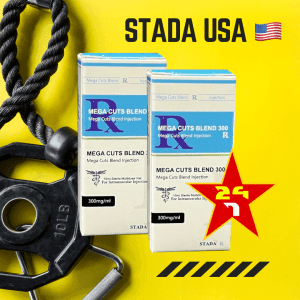
Original price was: $ 129.00.$ 119.00Current price is: $ 119.00.


By understanding and leveraging the potential of amino acid weight loss, individuals can unlock new pathways towards achieving their weight management goals effectively.
Amino acids, the building blocks of proteins, play a pivotal role in various physiological processes, including those related to weight loss. When considering amino acids for weight management, it is essential to recognize that certain amino acids can contribute to improved metabolism, enhanced fat oxidation, and preservation of lean muscle mass. For instance, branched-chain amino acids (BCAAs)—leucine, isoleucine, and valine—are known for their ability to support muscle synthesis and prevent muscle breakdown during calorie deficits, making them popular in weight loss and fitness regimens. Moreover, amino acids like L-carnitine have been studied for their role in facilitating the transport of fatty acids into mitochondria, thereby potentially boosting the body’s ability to convert fat into energy. However, while amino acids can complement a weight loss strategy, they are most effective when combined with a balanced diet and regular exercise, and should be considered as part of an overall healthy lifestyle rather than a standalone solution.