

The Power of Glutamic Acid: The Brain’s Essential Amino Acid

The Glu amino acid, known scientifically as glutamic acid, is a non-essential amino acid that plays a vital role in the body. It is crucial for protein synthesis and has several unique properties that contribute to its functions in metabolism and brain health.
What is Glu Amino Acid?
Glu amino acid, or glutamic acid, is one of the 20 amino acids used by the body to construct proteins. As a non-essential amino acid, the body can synthesize it, meaning it doesn’t necessarily have to be obtained from the diet. However, it is abundant in protein-rich foods such as meat, fish, eggs, and various plant-based sources.
Functions of Glu Amino Acid
The primary role of the Glu amino acid in the body is to serve as a building block for proteins. It also plays a crucial role in:
- Neurotransmission: Glutamic acid is a precursor to the neurotransmitter glutamate, a vital chemical in the brain responsible for transmitting signals between nerve cells.
- Metabolism: It assists in metabolic processes, providing energy and supporting the removal of excess nitrogen from the body.
- Detoxification: Glutamic acid helps in detoxifying ammonia by converting it into less toxic substances.
Health Benefits of Glu Amino Acid
Consuming an adequate amount of the Glu amino acid through diet can lead to several health benefits:
- Cognitive Support: As a precursor to glutamate, it helps maintain proper brain function and cognition.
- Muscle Function: It supports the repair and growth of muscle tissues, making it popular among athletes.
- Gut Health: Glutamic acid helps maintain the integrity of the gastrointestinal tract, promoting better digestion and nutrient absorption.
For further reading on amino acids, explore this resource and this article.
Conclusion
In conclusion, the Glu amino acid is an essential component in the body’s functioning, supporting neurotransmission, metabolism, and muscle repair. While it is non-essential, ensuring an adequate intake through dietary sources can promote various health benefits. Understanding its role can help in achieving better overall health and well-being.
FAQs
What foods are rich in Glu amino acid?
Foods rich in protein are excellent sources of Glu amino acid. These include meat, poultry, fish, eggs, dairy products, and certain plant sources like soybeans and lentils.
Can Glu amino acid supplementation improve brain function?
While the body generally produces enough glutamic acid, supplementation might be beneficial for specific needs such as cognitive functions. However, consulting with a healthcare provider is recommended before starting any supplementation.
Is Glu amino acid safe for everyone?
Generally, Glu amino acid is safe when consumed through a balanced diet. Individuals with certain conditions, such as kidney or liver diseases, should consult their healthcare provider for personalized advice.
BIG SALE | FAST SHIPPING
HOT PROMOTIONS!
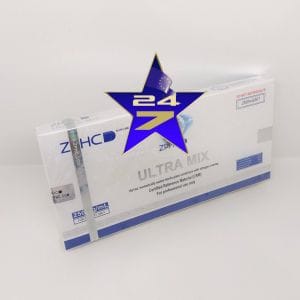
ZPHC UltraMix 1ml amps x 10 amps - 1ml = 250mg
Original price was: $ 259.00.$ 179.00Current price is: $ 179.00.



CLOMIPHENE TABLETS 50mg 50 TABLETS FIERCE

Original price was: $ 99.00.$ 89.00Current price is: $ 89.00.

ZPHC UltraMix 10ml MultiUse Vial 1ml = 250mg

Original price was: $ 255.00.$ 179.00Current price is: $ 179.00.


Glutamic acid, often abbreviated as Glu, is one of the 20 standard amino acids used by cells to synthesize proteins. It plays a crucial role in cellular metabolism and is a key neurotransmitter involved in cognitive functions like memory and learning. Glutamic acid is unique for its carboxylate side chain, which makes it negatively charged at physiological pH, contributing to protein structure and function. This amino acid is pivotal in the Krebs cycle and serves as a precursor for the synthesis of other important biomolecules, including glutamine and GABA. Additionally, it functions as an excitatory neurotransmitter in the vertebrate central nervous system. Its salt, monosodium glutamate (MSG), is widely used as a flavor enhancer in food.