The Power of IGF Peptides: Unlocking Muscle Growth and Recovery
TABLE OF CONTENTS

Insulin-like growth factor (IGF) peptides have drawn attention within the fitness and bodybuilding communities for their potential benefits in muscle growth and recovery. These small protein fragments play a crucial role in various physiological processes, including cellular growth and development. This article explores the uses, benefits, and frequently asked questions about IGF peptides.
What are IGF Peptides?
IGF peptides, specifically IGF-1, are naturally occurring hormones with a molecular structure similar to insulin. They are integral in promoting growth and development, especially during childhood, and continue to play a role in anabolic processes throughout life. IGF peptides assist in muscle repair, stimulate protein synthesis, and can aid in the recovery process post-exercise.
Benefits of IGF Peptides
- Muscle Growth and Repair:
IGF peptides enhance muscle growth by promoting the differentiation and proliferation of satellite cells, which are essential for muscle repair and hypertrophy. They are also known for increasing amino acid uptake and protein synthesis in muscle tissues, amplifying the muscle-building process.
- Muscle Growth and Repair:
- Fat Reduction:
Some studies suggest that IGF peptides may aid in fat reduction by improving insulin sensitivity and increasing the metabolic rate. This dual action helps in reducing body fat while preserving lean muscle mass, a key goal for bodybuilders and athletes.
- Fat Reduction:
- Improved Recovery:
Athletes often face fatigue and muscle soreness after intense workouts. IGF peptides can speed up recovery time, reducing downtime and enabling more frequent and effective training sessions.
- Improved Recovery:
Applications in Bodybuilding
Bodybuilders have incorporated IGF peptides into their routines to capitalize on their anabolic properties. Many combine them with other supplements or compounds to enhance their overall results. It’s important, however, that users focus on the quality of products when acquiring IGF peptides. Websites like Ulaska and John Doe Bodybuilding can offer guidance on product selection and usage protocols.
FREE SHIPPING
BIG SALE | FAST SHIPPING
HOT PROMOTIONS!


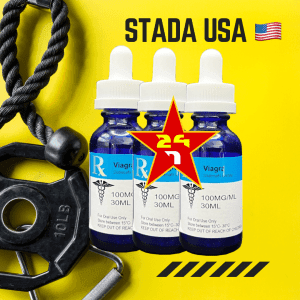
STADA VIAGRA SILDENAFIL ♂ 100MG 30ML
Original price was: $ 116.00.$ 89.00Current price is: $ 89.00.
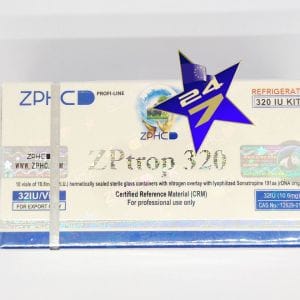
Hgh 200 iu - 2 FREE VIALS - Fierce Pharmaceuticals

Original price was: $ 500.00.$ 449.00Current price is: $ 449.00.
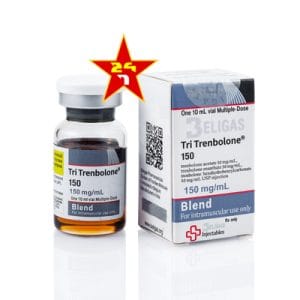
TRENBOLONE ACETATE 100MG 10ML AUCTUS
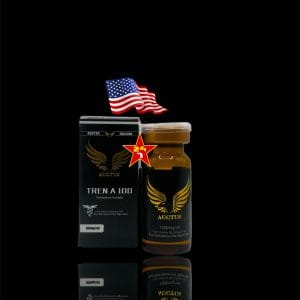
Original price was: $ 120.00.$ 109.00Current price is: $ 109.00.
Conclusion
IGF peptides represent a promising addition to the biochemical strategies aimed at muscle growth, fat reduction, and recovery. While their benefits in bodybuilding and athletic performance are notable, it’s essential for users to understand the implications and ensure any use is within legal and health-safe boundaries. As research on IGF peptides continues, it will further illuminate their potential and optimal applications.
FAQs about IGF Peptides
What are the main benefits of using IGF peptides?
IGF peptides primarily aid in muscle growth, fat reduction, and enhanced recovery, making them popular among athletes and bodybuilders.
How are IGF peptides typically used?
They are generally administered through injections. Dosage and protocols may vary, so consulting with a professional is recommended.
Are IGF peptides legal?
The legality of IGF peptides varies by country and usage context. Always check local regulations and guidelines before use. Steroid Planner and Steroid.com can provide additional information.
Can IGF peptides cause side effects?
As with any supplement, there are potential side effects. Some users report joint pain or swelling. Consulting with a healthcare provider before starting is crucial.
By understanding IGF peptides, users can make informed decisions that align with their fitness goals while prioritizing health and legal compliance.
Insulin-like Growth Factor (IGF) peptides are essential proteins that play a crucial role in growth and development, particularly by mediating the effects of growth hormone (GH). They are part of a complex system that influences cell growth, differentiation, and survival. IGF-1 and IGF-2 are the two main types, with IGF-1 being more prominent in adults and heavily involved in muscle growth, repair, and overall metabolic health. These peptides bind to specific receptors on the cell surface, activating intracellular signaling pathways that promote anabolic processes. Clinically, IGF peptides are investigated for their potential therapeutic applications in treating growth deficiencies, muscle-wasting diseases, and other metabolic disorders. However, understanding and managing their levels is crucial, as imbalances can be linked to various health issues, including cancer.