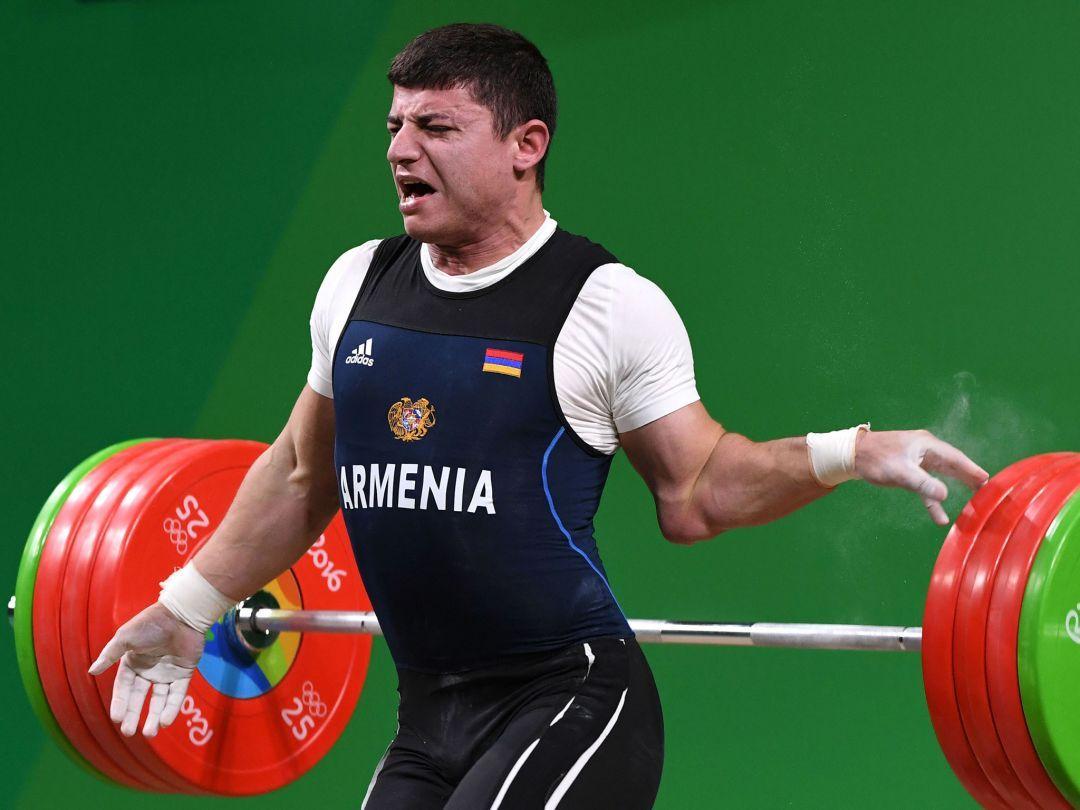
The Rise of Olympic Lifting: Transforming Fitness and Performance Across the Globe
TABLE OF CONTENTS

Olympic lifting, often revered as the apex of strength sports, is more than just a method of building muscle. It is an intricate dance of power, speed, and flexibility that pushes athletes to their physical limits. This discipline has captivated weightlifters and sports enthusiasts worldwide, offering myriad benefits ranging from enhanced athletic performance to improved mental focus.
The Fundamentals of Olympic Lifting
The practice of Olympic lifting revolves around two principal movements: the snatch and the clean and jerk. Each of these lifts requires a unique combination of strength, agility, and technique, making them some of the most complex and technical movements in the world of weightlifting.
- Snatch: The snatch entails lifting the barbell from the ground to overhead in one fluid motion. This lift demands extraordinary speed and precision, challenging the lifter’s balance and coordination.
- Clean and Jerk: This movement consists of two phases. First, the lifter raises the bar to their shoulders (clean). Then, with another explosive movement, they press it overhead (jerk). The clean and jerk is a testament to an athlete’s strength and stamina.
These lifts do more than just build muscle; they improve overall functional strength. The total-body engagement means they are highly effective at increasing muscle power, improving flexibility, and enhancing cardiovascular fitness.
Training and Techniques
Successfully executing Olympic lifts requires more than brute strength; it demands impeccable technique. Lifters must develop a precise coordination of movements while continuously honing their skills. Key areas of focus include:
- Mobility: Enhanced flexibility is crucial for achieving the deep squat positions necessary during lifts. Regular stretching and mobility exercises are essential components of a lifter’s training regimen.
- Technique Drills: Consistent practice of specific movements and positions ensures proper form and reduces the risk of injury.
- Strength Conditioning: Incremental strength training helps build the necessary muscle and endurance to handle increasingly heavier weights.
Many athletes seek professional coaching to refine their technique and optimize their performance, ensuring they make the most out of every lift.
Benefits Beyond the Barbell
The advantages of mastering Olympic lifting stretch far beyond the gym. It develops core strength, enhances grip, and boosts power output. Athletes who engage in these lifts often report improvements in their speed and explosiveness, essential traits for sports such as football, rugby, and track and field. Moreover, the discipline and focus required in training can lead to a sharper mental state that benefits other areas of life.
For more information on the benefits of Olympic lifting, you can visit Breaking Muscle and Strength Training.
Conclusion
Olympic lifting is not just a sport; it is a pursuit of excellence in human performance. Its appeal lies not only in the physical results but also in the challenge it presents, demanding both physical prowess and mental discipline. For those committed to mastering its techniques, Olympic lifting offers a rewarding journey of personal growth and achievement.
FAQs
What is Olympic lifting?
Olympic lifting is a sport and training method that involves two key movements: the snatch, and the clean and jerk. Both lifts require strength, power, and precision.
Can beginners start Olympic lifting?
Yes, beginners can start with proper guidance from a trained coach. It’s important to focus on technique and form before increasing weight.
What are the benefits of Olympic lifting?
It enhances strength, power, flexibility, and can improve performance in other sports. It also aids in developing mental focus and discipline.
Is it safe for all athletes?
With the correct technique and supervision, Olympic lifting is safe for most athletes. However, individuals should consult with a healthcare provider or qualified coach, especially if they have existing health conditions.
BIG SALE | FAST SHIPPING
HOT PROMOTIONS!



Fierce nandrolone decanoate 300 / ml 10ml

Original price was: $ 131.00.$ 119.00Current price is: $ 119.00.



CYT 3 6MG | T3 | Yohimbe | Clen | Weight Loss Blend | 100 Tablets Total Kit 600mg
$ 69.00
Olympic lifting, also known as weightlifting, is a dynamic and challenging sport focusing on two main lifts: the snatch and the clean and jerk. These lifts are performed with a barbell and require a combination of strength, speed, technique, and flexibility. Olympic lifting is not just about raw power; it involves precise technique and explosive movements, engaging multiple muscle groups simultaneously. Athletes train extensively to refine their form, improve their lifting speed, and increase their overall strength. This sport not only improves physical performance but also enhances mental discipline and resilience as athletes strive to lift heavier weights and perfect their technique. Olympic lifting has gained popularity beyond the competitive arena, with many incorporating its movements into fitness routines for its comprehensive conditioning benefits, such as improved coordination, balance, and muscular development.