The Rising Cost of EpiPens: A Lifesaving Medication
TABLE OF CONTENTS

Understanding EpiPen Costs in Today’s Market
Epinephrine auto-injectors, commonly known by the brand name EpiPen, are essential medical devices used to treat severe allergic reactions or anaphylaxis. Despite their life-saving role, the cost of these injectors has been a topic of intense discussion and debate. Understanding the factors that influence EpiPen cost can help consumers make informed decisions and potentially find more affordable alternatives.
Factors Influencing EpiPen Cost
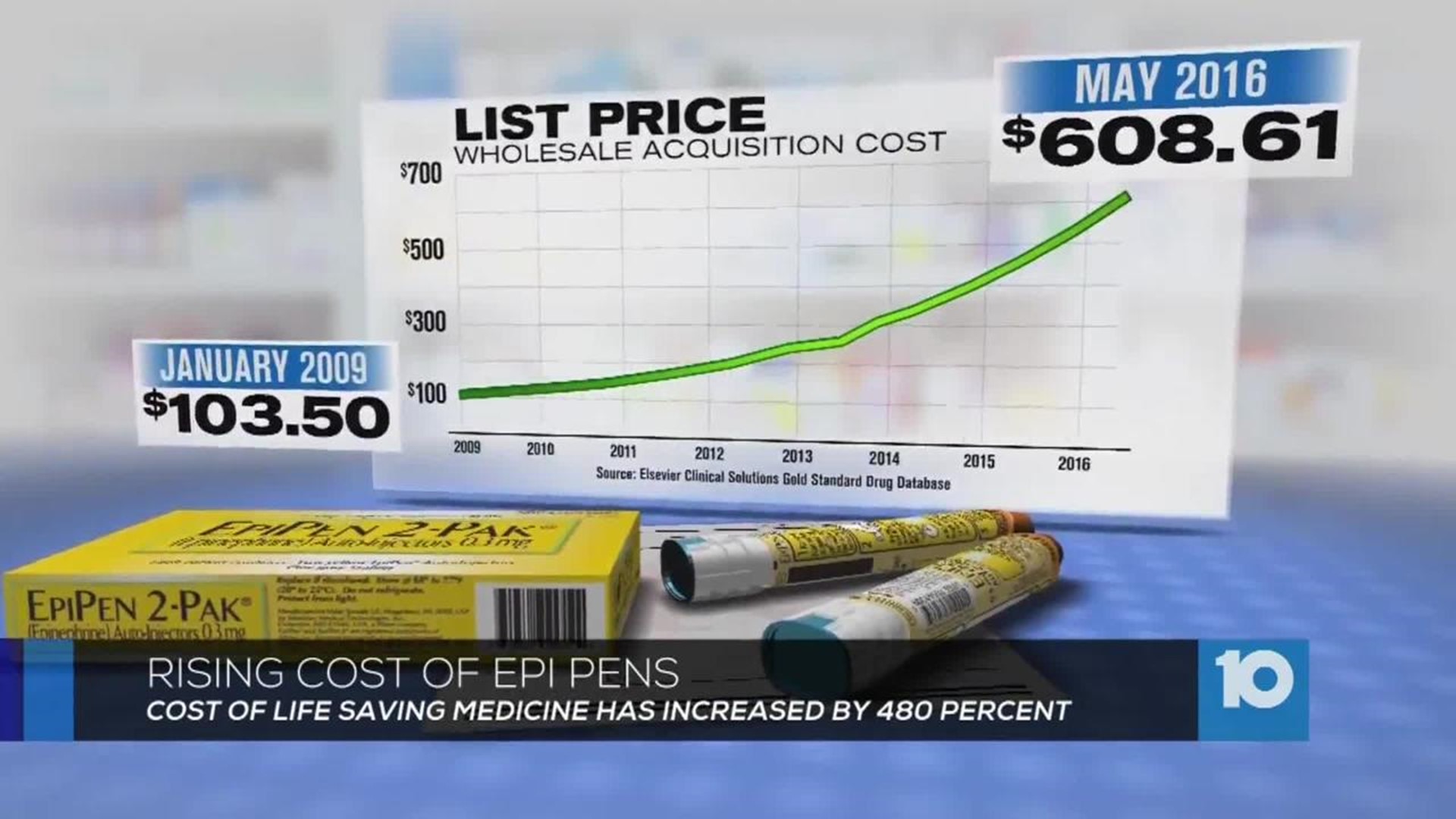
Several factors contribute to the current price of EpiPens. Manufacturing expenses, distribution costs, and even market exclusivity due to patent protections can play a role. Additionally, the pharmaceutical industry’s regulation and the role of middlemen can further complicate the pricing structure. In recent years, there have been significant hikes in EpiPen cost, leading to widespread concern and calls for policy reform.
The introduction of generic alternatives has helped mitigate EpiPen cost to some extent. These alternatives sometimes offer a more affordable option for individuals and families managing severe allergies. However, insurance coverage and personal health plans can also impact how much individuals might pay out of pocket for these devices.
Strategies to Manage EpiPen Cost
There are several strategies consumers can use to manage EpiPen cost effectively. Firstly, checking with insurance providers about coverage for generic versions can lead to significant savings. Additionally, pharmaceutical assistance programs and discount cards offered by some manufacturers might provide financial relief to those who qualify.
Consumers are also encouraged to shop around at different pharmacies, as prices may vary. Some online tools and platforms allow patients to compare prices and identify where they can purchase EpiPens at the lowest possible EpiPen cost.
It’s important to note that purchasing options should always be verified to ensure they meet safety standards and regulations. Always consult healthcare providers for guidance when considering alternatives or additional EpiPen purchases.
Conclusion
Despite ongoing discussions about the need for more transparent pricing in the pharmaceutical industry, EpiPen cost continues to be a pressing issue for many. With the availability of generic options and varying insurance coverage, consumers must navigate the complexities of healthcare to find the most cost-effective solution for their needs. Advocacy for affordable health solutions remains crucial for ensuring that everyone has access to life-saving medications when they need them most.
For more information on how costs are structured in the pharmaceutical field, you may find this article useful. Additionally, learn more about allergy management here.
BIG SALE | FAST SHIPPING
HOT PROMOTIONS!
FIERCE CLOMID 50MG 50CAPS
Original price was: $ 129.00.$ 119.00Current price is: $ 119.00.


CYT 3 6MG | T3 | Yohimbe | Clen | Weight Loss Blend | 100 Tablets Total Kit 600mg
$ 69.00

CLOMIPHENE TABLETS 50mg 50 TABLETS FIERCE
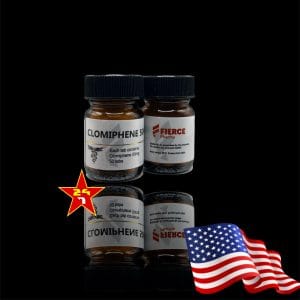
Original price was: $ 99.00.$ 89.00Current price is: $ 89.00.

ZPHC UltraMix 10ml MultiUse Vial 1ml = 250mg

Original price was: $ 255.00.$ 179.00Current price is: $ 179.00.
CROWX 👑 CLOMIROW 50 Mg / 50 Tabs ( Clomid )
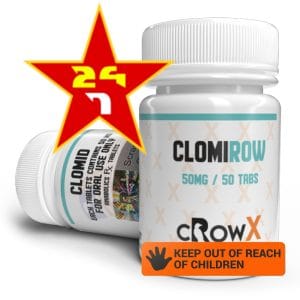
Original price was: $ 79.00.$ 69.00Current price is: $ 69.00.
FAQs
What factors determine the EpiPen cost?
Factors such as production costs, patent protections, distribution fees, and insurance influences play a significant role in determining the EpiPen cost. It’s often the cumulative effect of these elements that drives the market price.
Are there affordable alternatives to EpiPen?
Yes, there are generic versions of the EpiPen that often come at a reduced price. It’s important to consult with a healthcare professional to ensure these alternatives are suitable for your specific health needs.
How can I reduce my out-of-pocket EpiPen expenses?
To reduce costs, you can explore generic options, check insurance coverage details, apply for pharmaceutical assistance programs, and use discounts or coupons.
Is it safe to buy EpiPen online?
It can be safe to buy online if you’re using a verified retailer that complies with medical standards. Always research thoroughly and consult your healthcare provider for recommendations.
The cost of EpiPens has been a significant topic of concern and debate over the past few years, primarily due to dramatic price increases. Originally introduced in the market as an affordable solution for individuals with severe allergic reactions, EpiPens have seen their prices rise by several hundred percent, placing a substantial financial burden on those who rely on them for potentially life-saving intervention. This escalation has prompted widespread criticism directed at pharmaceutical companies and has spurred discussions about the broader issues of drug pricing and healthcare accessibility. Efforts to mitigate these costs have included the introduction of generic versions, legislative proposals aimed at increasing transparency and competition, and initiatives by insurers and advocacy groups to improve affordability. Despite these efforts, the cost of EpiPens remains a heated issue, underscoring the essential need for systemic reforms to ensure that all individuals have access to affordable, lifesaving medications.