The Secrets: How Peptide Hormones Regulate Our Bodies
TABLE OF CONTENTS

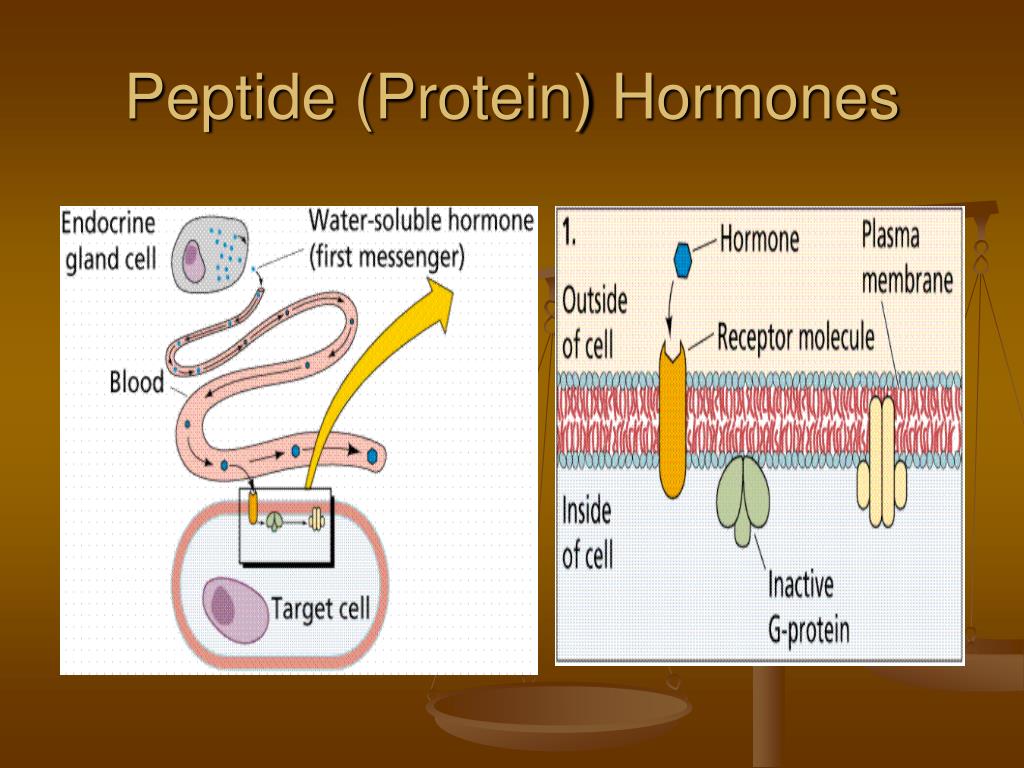
Peptide hormones are a diverse group of signaling molecules comprising chains of amino acids. They play essential roles in various physiological processes, including growth, metabolism, and homeostasis. The ability of peptide hormones to signal across cell membranes makes them pivotal in the regulation of bodily functions.
The Role of Peptide Hormones in the Body
Peptide hormones function by binding to specific receptors on the surface of target cells, initiating a cascade of cellular events. These hormones are involved in regulating numerous processes, such as insulin for glucose metabolism, growth hormone for tissue development, and vasopressin for water balance. Their specificity and effectiveness make them vital in maintaining the body’s homeostasis.
Production and Secretion of Peptide Hormones
Produced in glands throughout the body, peptide hormones are synthesized according to the body’s needs and are released into the bloodstream upon receiving appropriate signals. For instance, the pituitary gland produces and releases several peptide hormones, including growth hormone and adrenocorticotropic hormone, which initiate critical bodily functions.
Peptide Hormones in Medical Applications
Advancements in biotechnology have allowed for the synthesis of peptide hormones for therapeutic use. Synthetic peptide hormones are employed in treating a range of disorders, from diabetes to growth deficiencies. The precise ability to mimic natural hormones makes synthetic peptides a valuable tool in medicine.
Limitations and Challenges
Despite their benefits, the administration of peptide hormones can present challenges. Issues such as rapid degradation by the digestive system necessitate specific delivery methods, often requiring injections. Furthermore, there are risks of side effects and the development of resistance or immune responses in some cases.
BIG SALE | FAST SHIPPING
HOT PROMOTIONS!
CLOMID 50MG FIERCE 50 TABLETS
Original price was: $ 129.00.$ 119.00Current price is: $ 119.00.


Fierce nandrolone decanoate 300 / ml 10ml

Original price was: $ 131.00.$ 119.00Current price is: $ 119.00.
ZPHC UltraMix 10ml MultiUse Vial 1ml = 250mg

Original price was: $ 255.00.$ 179.00Current price is: $ 179.00.

FIERCE CLOMID 50MG 50CAPS
Original price was: $ 129.00.$ 119.00Current price is: $ 119.00.


Conclusion
Peptide hormones are integral to a myriad of physiological processes and have promising therapeutic potential. The ongoing research and development in this field hold possibilities for innovative treatments and enhanced understanding of various diseases. However, their use must be carefully monitored to avoid adverse effects and ensure efficacy.
FAQs about Peptide Hormones
Q1: What are peptide hormones?
A1: Peptide hormones are chains of amino acids that function as signaling molecules, playing crucial roles in regulating bodily processes.
Q2: How are peptide hormones administered?
A2: Due to their degradation in the digestive system, peptide hormones are typically administered via injections.
Q3: Are there side effects to using peptide hormones?
A3: Yes, the use of peptide hormones can lead to side effects, and they may trigger immune responses or resistance over time.
Q4: Can everyone use peptide hormones?
A4: Not everyone should use peptide hormones as they require tailored administration under medical supervision to prevent complications.
Peptide hormones are short chains of amino acids that function as signaling molecules in the body, playing a crucial role in various physiological processes. They are synthesized and secreted by endocrine glands and other tissues, and they exert their effects by binding to specific receptors on the surface of target cells, initiating a cascade of intracellular events. Typically involved in regulating metabolism, growth, stress responses, and reproductive processes, peptide hormones include well-known examples such as insulin, glucagon, and antidiuretic hormone (ADH), each essential for maintaining homeostasis. Unlike steroid hormones, peptides are generally water-soluble, allowing them to circulate freely in the bloodstream but requiring membrane-bound receptors due to their inability to easily cross cell membranes. Their precise mechanisms of action and rapid effects make them vital for short-term regulation and responses to environmental changes.