How long does testosterone stay in your system?

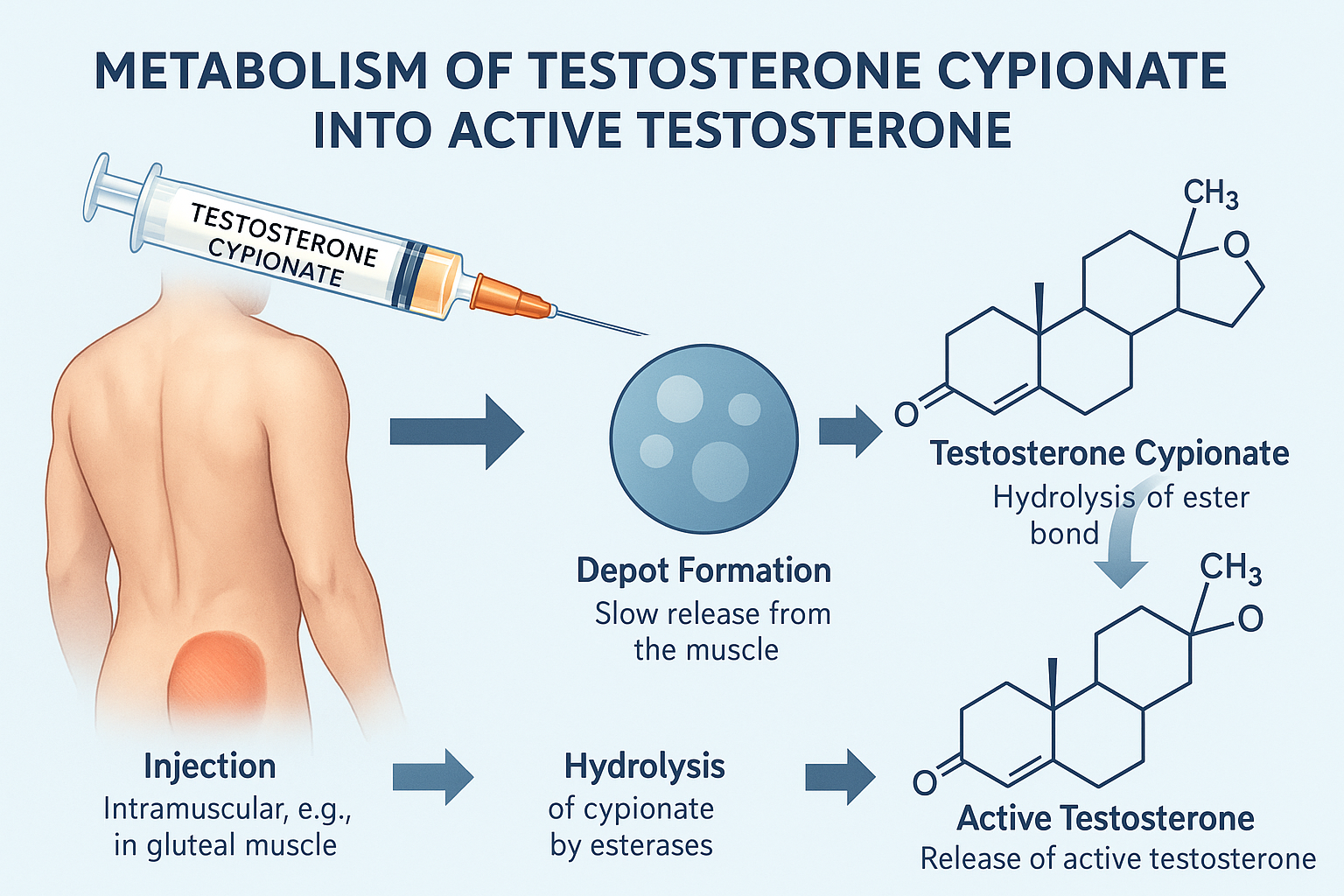
Testosterone cypionate is one of the longest-lasting and most commonly prescribed testosterone esters in the U.S. Its structure gives it a half-life of about 7 to 8 days, which means it takes roughly five half-lives, or around 35 to 40 days, for the medication to fully clear from the body.
When injected intramuscularly, cypionate forms a slow-release depot in the muscle tissue, where it is gradually absorbed into the bloodstream. Most patients begin to notice effects within two to three days, with levels peaking shortly after and then tapering until the next dose.

How do hormones affect facial bone structure?

Hormones significantly influence facial bone structure, impacting health throughout life stages such as puberty and menopause. Key hormones include estrogen and testosterone, which shape bone density and define features like jawlines and cheekbones. Understanding these effects can aid in maintaining a youthful appearance.

Does TRT affect life expectancy?

Testosterone Replacement Therapy (TRT) aims to alleviate symptoms of low testosterone but raises questions about its effects on life expectancy. Research indicates that TRT may improve quality of life and possibly reduce mortality rates, though risks must be carefully managed.

Can hormones affect body odor?

Body odor is a natural occurrence that varies for everyone, influenced notably by hormonal fluctuations. Hormones like testosterone, estrogen, cortisol, and progesterone can change sweat production and composition, affecting body scent and intensity. Understanding these connections can help manage body odor effectively.

Is TRT as bad as steroids?

The distinction between TRT and anabolic steroids is clear. TRT is a therapeutic approach providing health benefits under medical supervision, focusing on correcting hormonal deficiencies. In contrast, anabolic steroids carry significant health risks and ethical dilemmas due to misuse and unregulated use.

What are 5 examples of steroids?

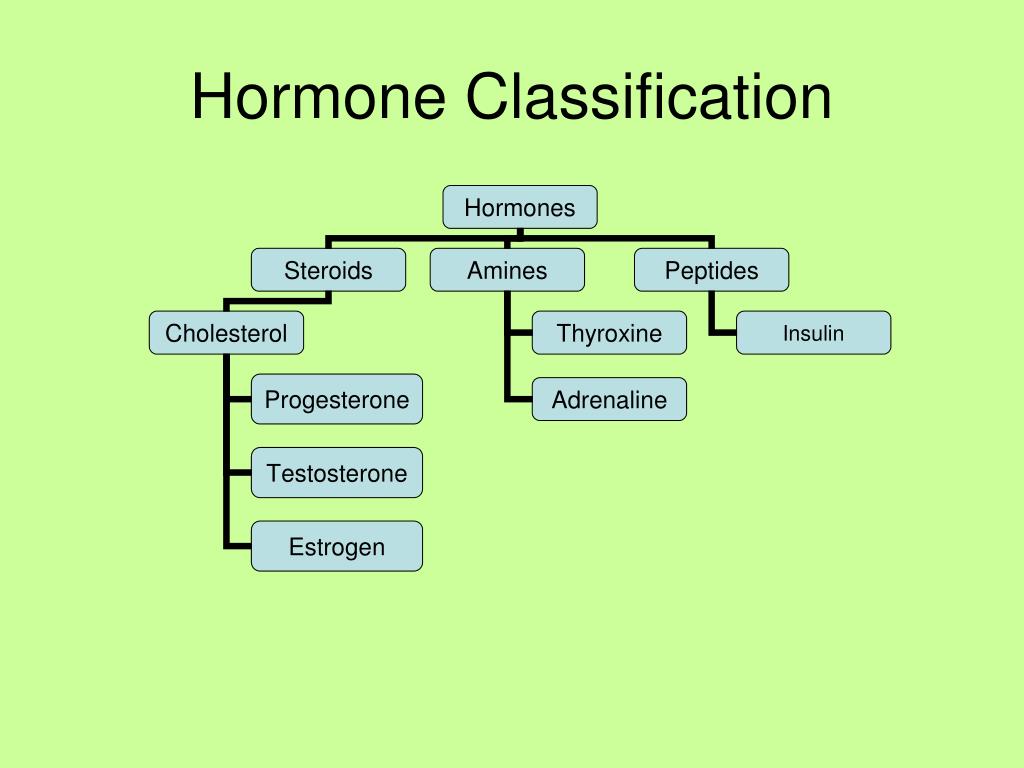
Steroids, often surrounded by controversy, fall into two main categories: anabolic and corticosteroids. This article explores five examples—testosterone, nandrolone, stanozolol, cortisol, and dexamethasone—highlighting their uses and potential health impacts, including risks like liver damage and hormonal imbalance.

Can girls smell testosterone?

The question “Can girls smell testosterone?” explores the interaction between human pheromones and hormones. While testosterone is primarily a male hormone, females detect subtle hormonal changes in men. Studies show that women can sense testosterone via scent, influencing attraction and social behaviors.

Is 3000 testosterone too high?

Testosterone is vital for regulating various bodily functions, including muscle mass and mood. Normal levels for men range from 300 to 1,000 ng/dL, but levels as high as 3000 ng/dL can pose serious health risks, such as cardiovascular issues and hormonal imbalances. Regular monitoring is essential.

Can you smell testosterone on a man?

When exploring human scent, many wonder: Can you smell testosterone on a man? This question intersects biology, chemistry, and perception. Testosterone influences body odor through sweat and oils. Higher testosterone levels may lead to distinct scents that could be perceived as attractive.

Who has 1000 testosterone?

Testosterone is crucial for various bodily functions, primarily produced in the testes for men and ovaries for women. Normal levels for men range from 300 to 1,000 ng/dL, while women typically have 15 to 70 ng/dL. Factors like genetics, age, and exercise influence these levels significantly.

Testosterone vs HGH: Key Differences Explained

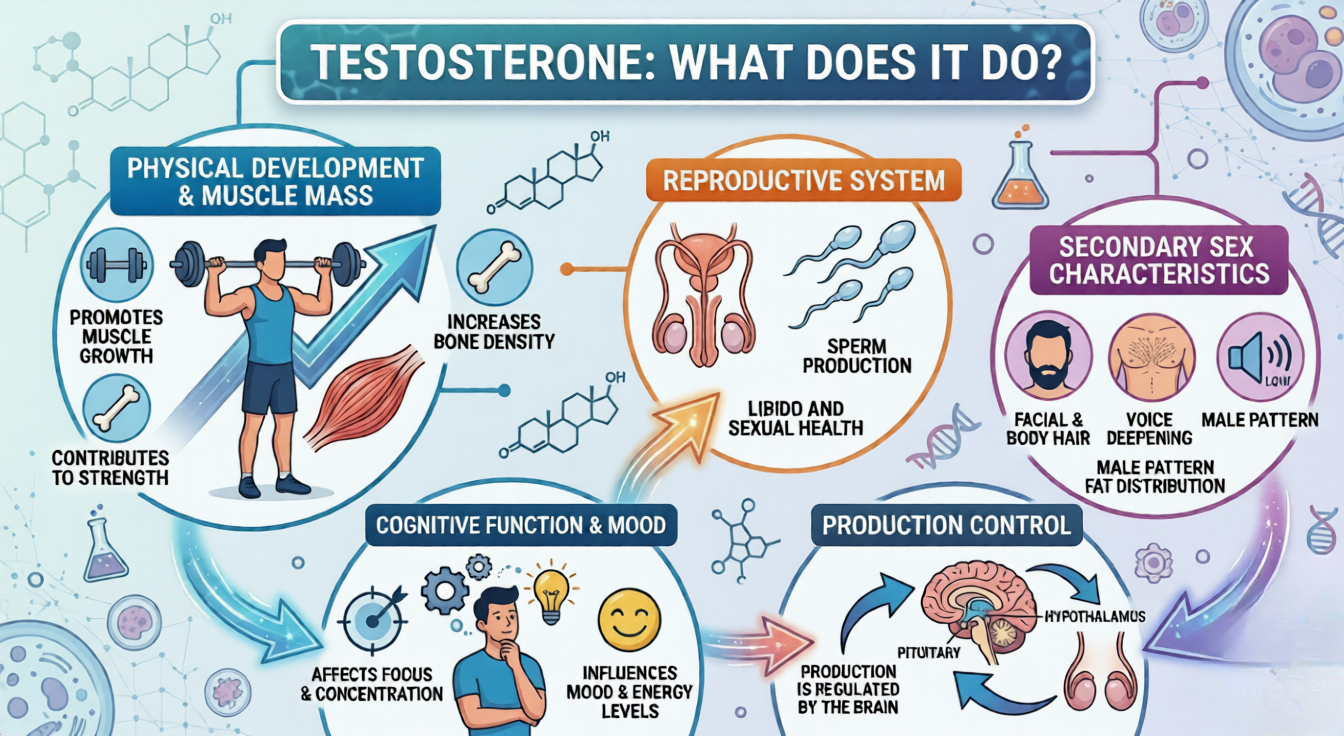
In the realm of hormone optimization, both testosterone and human growth hormone (HGH) play significant roles like muscle development and mood regulation. Testosterone, an androgen hormone, is crucial for muscle mass, bone density, and male traits. HGH, from the pituitary gland, aids growth, metabolism, and cell repair. While combining these hormones can enhance benefits, it increases risks, necessitating medical supervision. Each hormone’s unique contributions to health make understanding their functions essential before considering therapy.

Understanding HGH: Potential Side Effects

Human Growth Hormone (HGH) plays a crucial role in growth, cell repair, and metabolism. While beneficial in controlled settings, misuse for athletic enhancement or anti-aging can lead to adverse effects. These include joint pain, edema, carpal tunnel syndrome, diabetes risk, cancer risk, and cardiovascular issues.

Top Benefits of Testosterone Boosters Explained

Testosterone boosters, popular among men for enhancing energy, muscle mass, and well-being, are supplements designed to increase natural testosterone levels. They often contain vitamins, minerals, and herbal extracts. While offering benefits like increased muscle growth and vitality, there are risks such as hormonal imbalance.

Building Strength: What to Expect from a 1-Testosterone Cycle

A 1 testosterone cycle involves using 1-testosterone, a synthetic anabolic steroid, to mimic natural testosterone effects. Typically lasting 6 to 12 weeks, it enhances muscle growth, strength, and performance. While beneficial, potential side effects include hormonal imbalances and liver toxicity, so medical advice is crucial. Post-cycle therapy helps restore natural hormone levels.

The Hormonal Connection: Secrets to Sustainable Weight Loss

Hormones play a crucial role in regulating weight by influencing appetite, metabolism, and fat storage. Key hormones like insulin, leptin, ghrelin, cortisol, and thyroid hormones are integral to weight management. Insulin helps regulate blood sugar and impacts fat storage; imbalances can lead to weight gain. Leptin signals the brain to manage appetite, but resistance can increase hunger. Ghrelin, the “hunger hormone,” stimulates appetite. Cortisol, the stress hormone, can lead to fat accumulation. Balancing hormones through diet, exercise, and stress management is vital for effective weight loss.

Understanding Hormones: When to See a Hormone Specialist

A hormones doctor, or endocrinologist, is crucial for diagnosing and treating hormonal imbalances that affect your overall well-being. They focus on the endocrine system, involving glands like the thyroid and pancreas, creating tailored treatment plans for conditions such as diabetes, thyroid disorders, and reproductive health issues. Their diagnostic process involves tests and patient history assessments, offering solutions like lifestyle changes, medication, or hormone therapy. Seeking an endocrinologist’s expertise is vital for managing symptoms like weight changes and mood swings, potentially enhancing quality of life and chronic disease management.

SHBG: How Sex Hormone Binding Globulin Influences Health

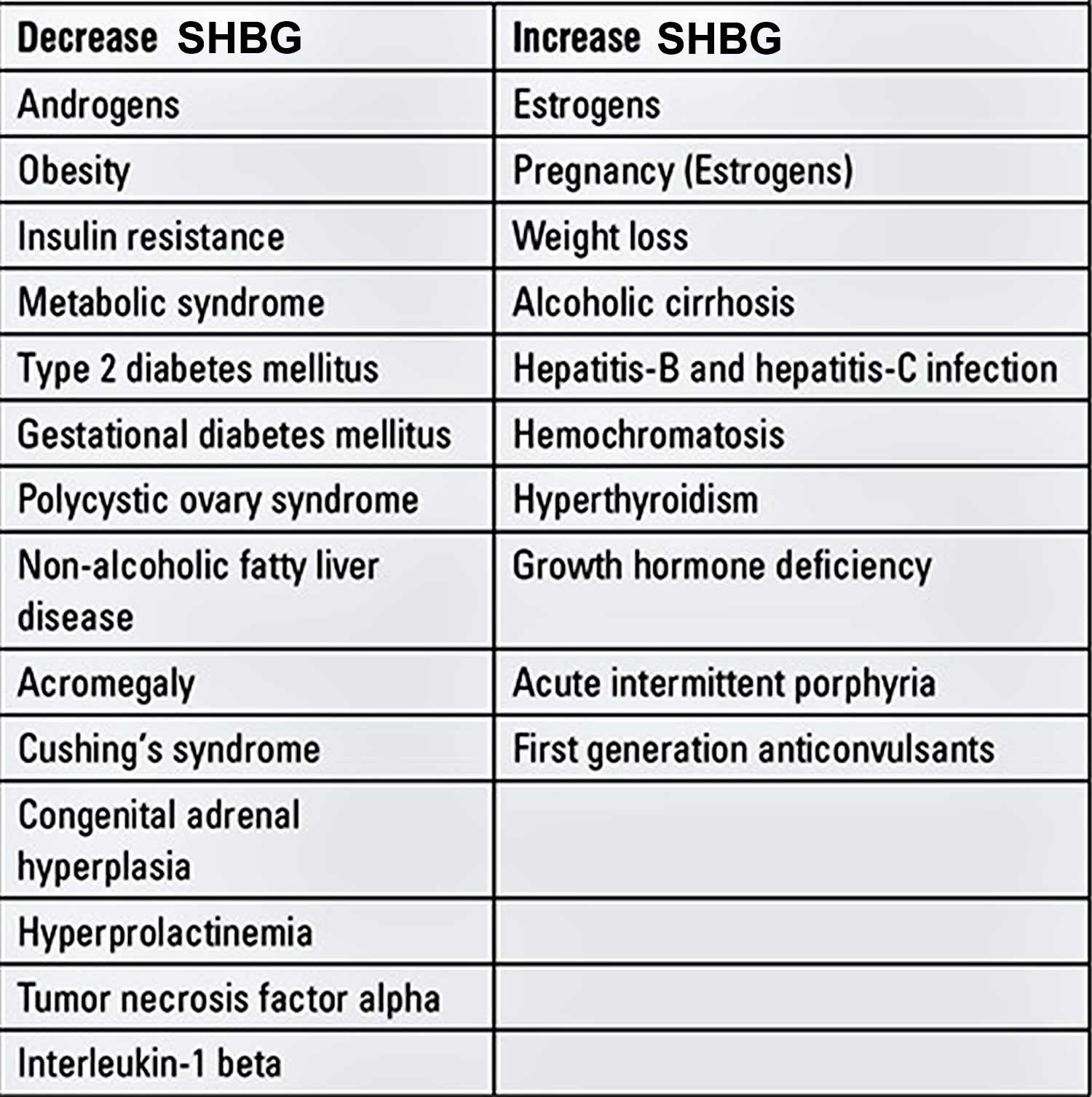
Sex hormone-binding globulin (SHBG) is a glycoprotein from the liver, crucial in regulating sex hormones. It binds mainly to testosterone and estrogen, regulating free hormones’ bioavailability, impacting processes like reproduction and metabolism. SHBG levels are affected by age, sex, and health conditions like PCOS and obesity, serving as a diagnostic marker for hormone-related disorders. Factors such as insulin, BMI, and medications also influence SHBG, necessitating its understanding for hormonal balance.

Exploring the Market: Can You Legally Buy Testosterone in Mexico?

In Mexico, acquiring testosterone requires careful attention to legality and safety. It’s classified as a controlled substance and must be purchased from pharmacies with a prescription from a licensed doctor. While some might try informal routes like local markets or online, these pose risks related to product authenticity and legality. Consulting a healthcare provider is crucial to ensure safe and legal purchase, proper medical oversight, and monitoring for side effects.

The Secrets: How Peptide Hormones Regulate Our Bodies

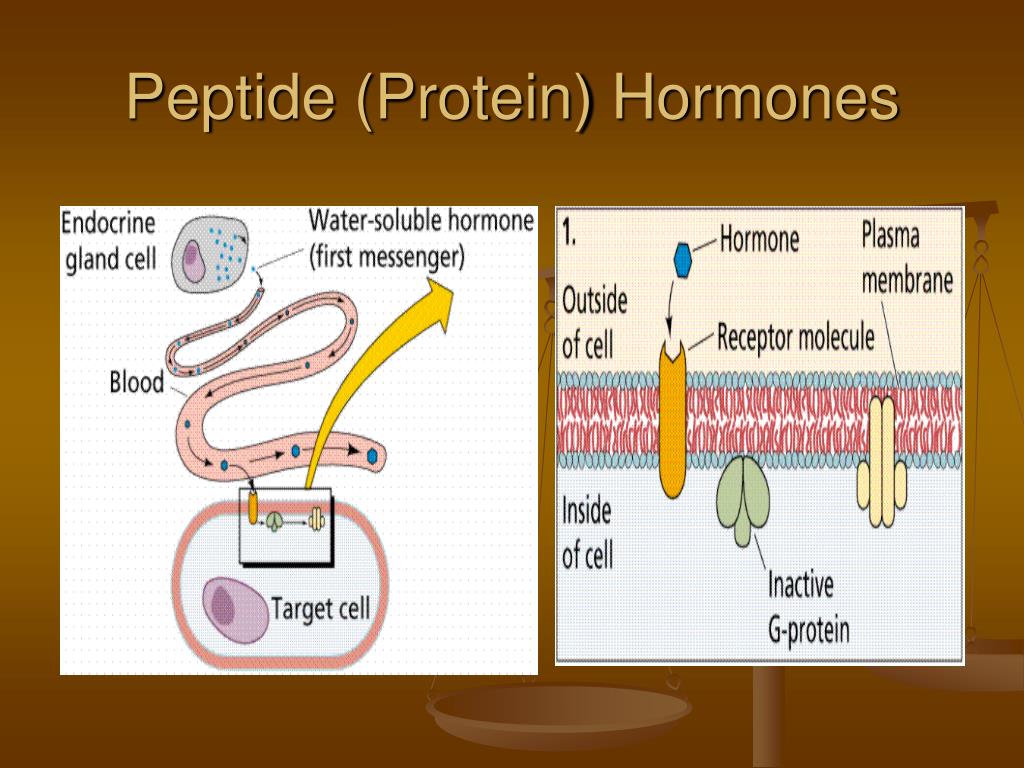
Peptide hormones are chains of amino acids that act as signaling molecules, crucial for various physiological functions like metabolism, growth, and stress responses. Produced by glands such as the pituitary, they bind to specific receptors on target cells, triggering intracellular events. Examples include insulin and glucagon, vital for homeostasis.

Where to buy human growth hormones

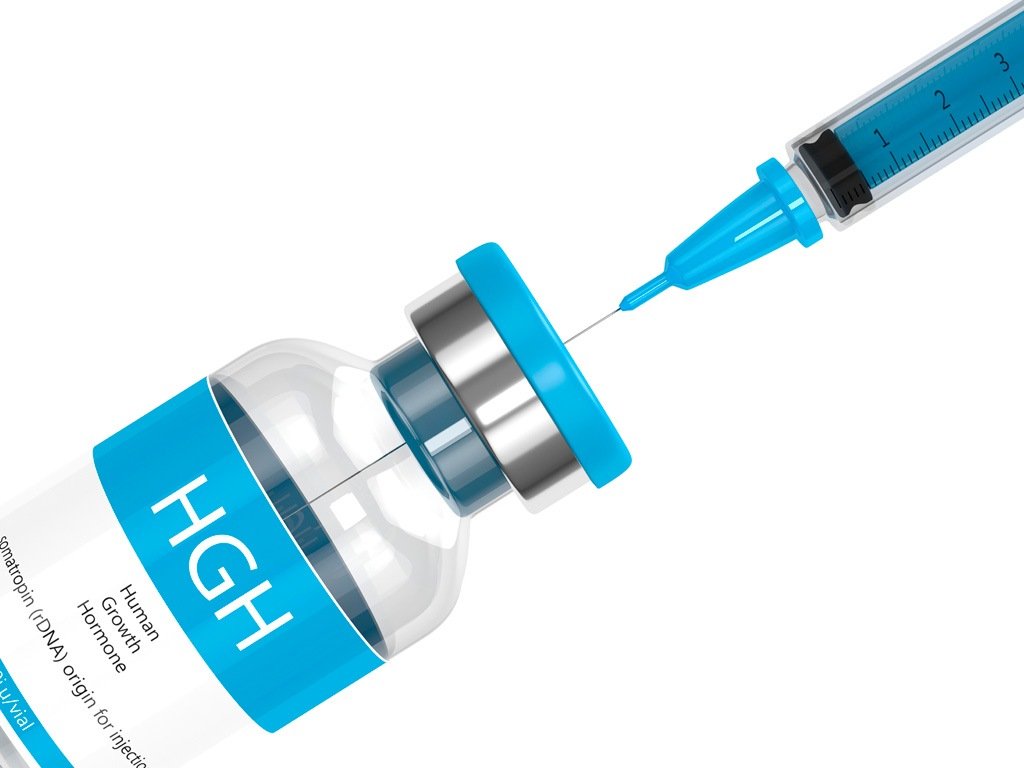
Purchasing human growth hormones (HGH) should be approached with caution due to potential misuse and health risks. If prescribed by a healthcare professional for legitimate medical conditions, HGH can be acquired through licensed pharmacies. Ensure any purchase is legal and safe, sourced from reputable suppliers. Illegitimate sources might offer harmful counterfeit products. Consult a medical professional to assess necessity, secure a prescription, and guide a legal purchase. Always prioritize safety and compliance with legal regulations regarding HGH acquisition.

Left Menu Icon
Your Cart