The Sedative Effect: Why Depressants Stand Opposite to Stimulants
TABLE OF CONTENTS

In the world of pharmacology and psychology, various substances are categorized based on their effects on the human body and mind. One such category is depressants, often described as the opposite of stimulants. This classification not only highlights their effects but also raises crucial questions about usage, benefits, and risks.
Understanding Depressants
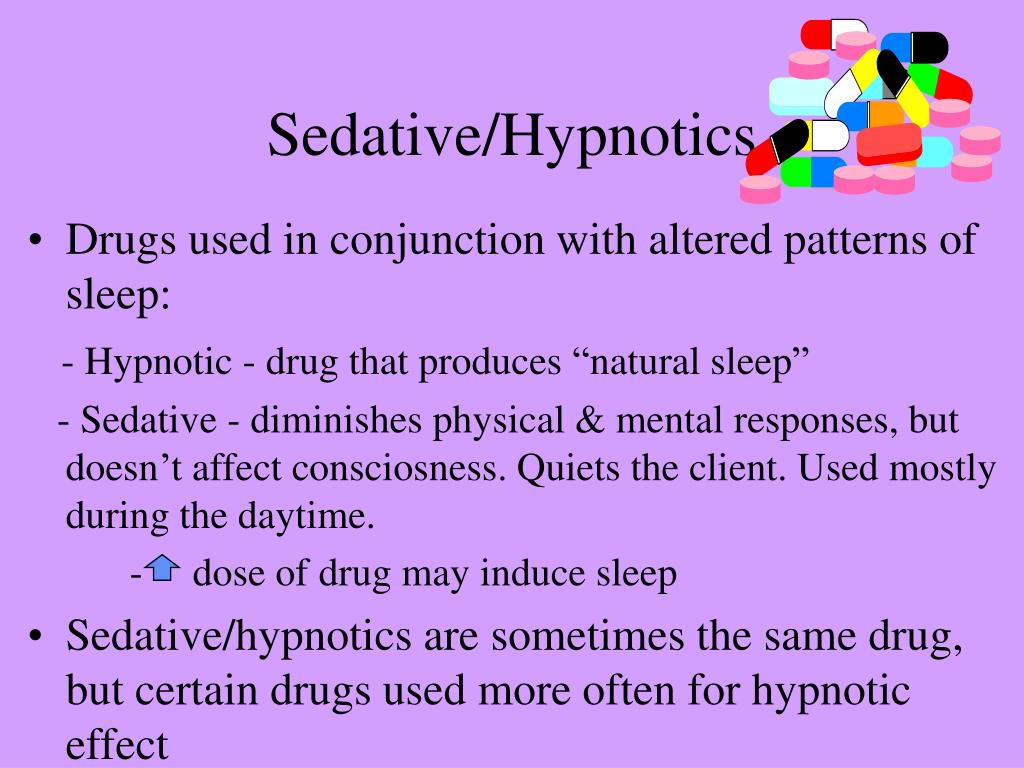
Depressants, as their name suggests, work by slowing down central nervous system activity. This can lead to decreased heart rate, lowering of blood pressure, and a sense of calm or relaxation. Common examples include benzodiazepines, alcohol, and certain sleep medications. Their primary medical use includes treatment for anxiety, insomnia, and seizure disorders. However, misuse can lead to dependency and health complications.
Why Are Depressants Described as the Opposite of Stimulants?
Stimulants, in contrast to depressants, elevate mental alertness, increase physical energy, and promote a feeling of euphoria by increasing neurotransmitter activity. While depressants dampen these activities, stimulants enhance them. This intrinsic difference explains why depressants are described as the opposite of stimulants. Both categories impact neurotransmitter functions but in opposing manners, affecting mood, perception, and even social behaviors.
Effects on Hormones and Men’s Health
The relationship between depressants and hormonal health, particularly in men, is noteworthy. Testosterone levels can be indirectly affected by depressant use. While stress and anxiety can reduce testosterone, leading to an array of health issues such as erectile dysfunction and reduced muscle mass, depressants’ calming effect might seem beneficial. However, prolonged use can disrupt hormonal balance, impacting men’s health negatively.
The Role of Depressants in Exercise and Fitness
For individuals engaging in fitness regimes or bodybuilding, understanding how depressants interact with workouts is crucial. While they might help with relaxation and stress reduction, they can also diminish motivation and energy levels, opposing the goals of #muscle building and improvement. Caution and professional guidance are recommended, especially in contexts such as #hrt (Hormone Replacement Therapy).
Conclusion
Depressants play a vital role in medical therapy but require cautious use due to their potential for addiction and adverse health impacts. Understanding why they are called the opposite of stimulants helps contextualize their effects on the body, providing insights necessary for responsible usage, particularly in areas concerning #menshealth and #fitness.
FAQs
-
- What are depressants used for?
Depressants are primarily used for managing anxiety, facilitating sleep, and controlling seizures.
- What are depressants used for?
-
- Can depressants affect workout routines?
Yes, they might decrease motivation and energy, impacting exercise performance.
- Can depressants affect workout routines?
-
- Are there risks associated with depressants?
Yes, misuse can lead to dependency and adverse health effects.
- Are there risks associated with depressants?
FREE SHIPPING
BIG SALE | FAST SHIPPING
HOT PROMOTIONS!
ZPHC Winstrol Stanozolol 10mg x 100 Tablets
Original price was: $ 99.00.$ 79.00Current price is: $ 79.00.
Fierce testosterone propionate 100mg / ml 10ml

Original price was: $ 72.00.$ 69.00Current price is: $ 69.00.
STADA TESTOSTERONE CYPIONATE 300MG 10ML
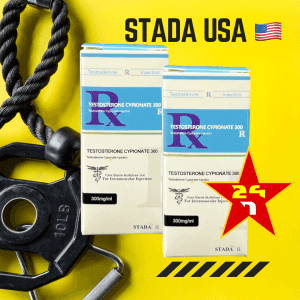
Original price was: $ 119.00.$ 99.00Current price is: $ 99.00.

Hgh 100IU - Human Growth Hormone - Fierce Pharmaceuticals
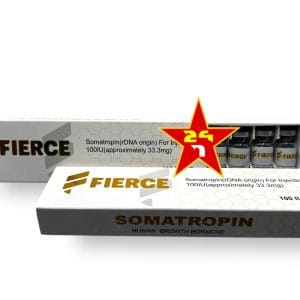
Original price was: $ 299.00.$ 239.00Current price is: $ 239.00.
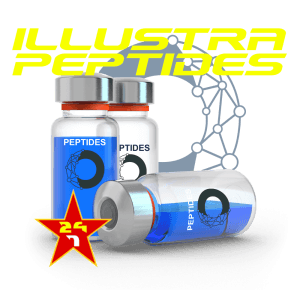
Beligas BelTropin HGH 100iu 10iu x 10 vials
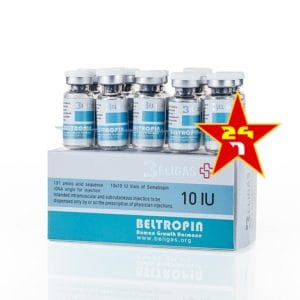
Original price was: $ 414.00.$ 259.00Current price is: $ 259.00.

Discover more about #testosterone, #wellness, and #fitnessmotivation for a balanced lifestyle. Follow us for tips and updates on enhancing #sexualhealth and achieving #stayfit goals.
Stimulants and depressants are often described as opposites due to their contrasting effects on the central nervous system. While stimulants, such as caffeine, nicotine, and amphetamines, increase brain activity, elevate mood, and boost energy and alertness, depressants have the opposite effect. Depressants, including alcohol, benzodiazepines, and barbiturates, slow down brain function, resulting in decreased alertness, relaxation, and sedation. These drugs work by enhancing the activity of neurotransmitters that reduce brain activity, such as gamma-aminobutyric acid (GABA), promoting a calming effect on the body and mind. As a result, depressants are often used therapeutically to treat anxiety, insomnia, and muscle tension, but their misuse can lead to impaired cognitive and motor functions, dependence, and potentially life-threatening consequences. The opposing effects of stimulants and depressants highlight the diverse ways in which substances can alter human physiology and underscore the importance of understanding their mechanisms and impacts on health.