
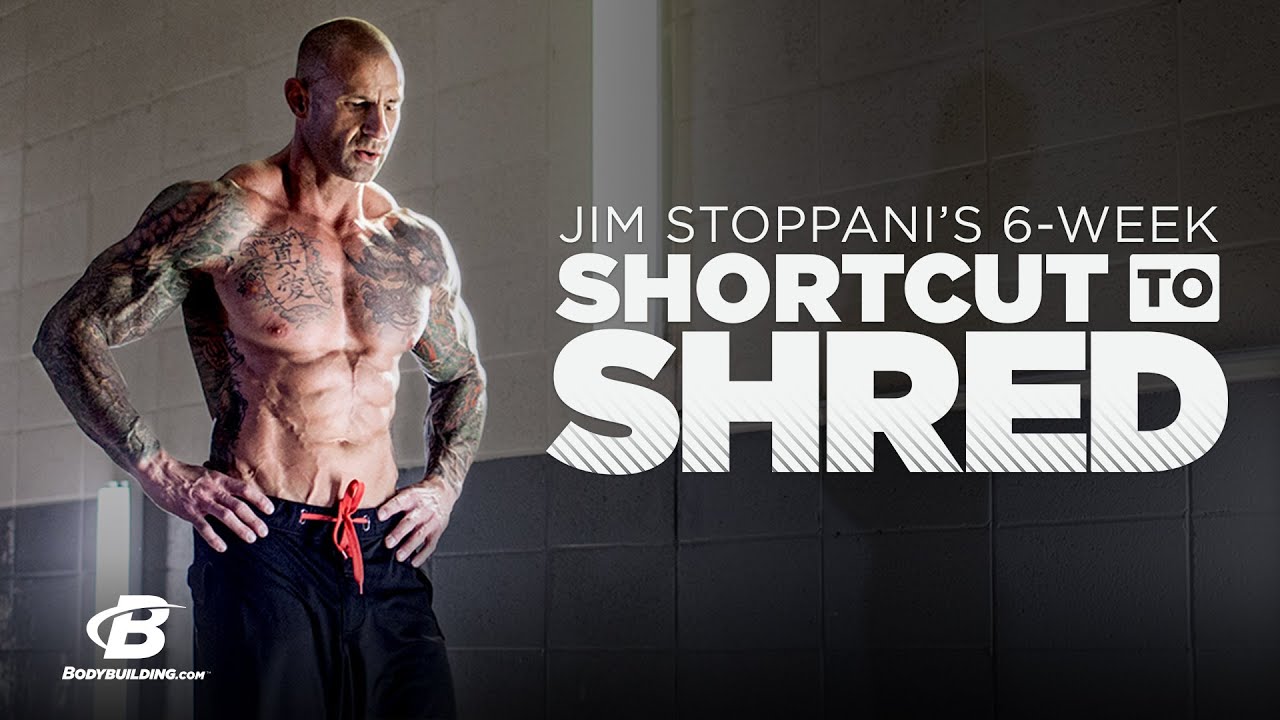
The Ultimate Cut Gym Program for Shredding Fat

The Ultimate sign to a Cut Gym Program
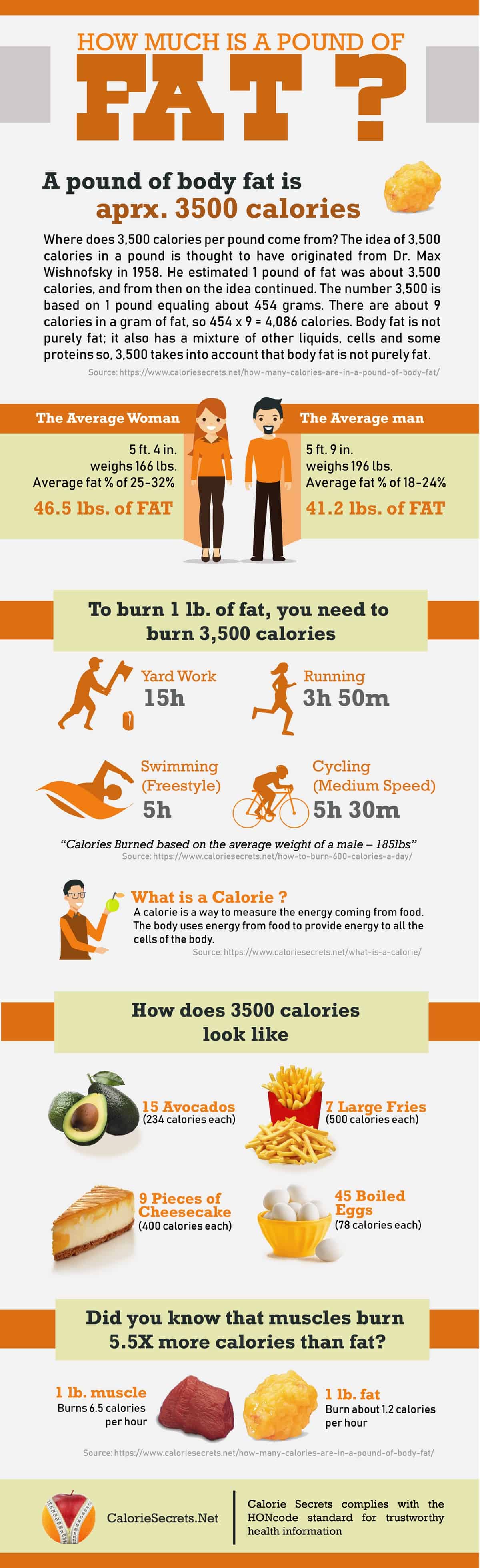
If you’ve ever spent time at the gym looking to sculpt the perfect physique, you’ve likely encountered terms like “bulk” and “cut.” While bulking focuses on gaining muscle mass, a cut gym program emphasizes leaning out while preserving muscle. It’s an intricate balancing act of diet, workouts, and cardio designed to reduce body fat percentages and accentuate muscle definition.
Understanding a Cut Gym Program
A cut gym program is specifically tailored to help individuals achieve a lean, defined look by shedding excess fat while maintaining muscle. This structured program involves a combination of weight training, cardio exercises, and a carefully monitored diet. The primary goal is to create a caloric deficit, encouraging the body to utilize stored fat as energy.
Key Components of a Cut Gym Program:
-
- Nutrition: Nutrition is the cornerstone of a successful cut program. It involves consuming fewer calories than you burn, but not drastically so. The focus should be on a balanced diet rich in proteins to maintain muscle, with healthy fats and carbohydrates for energy.
-
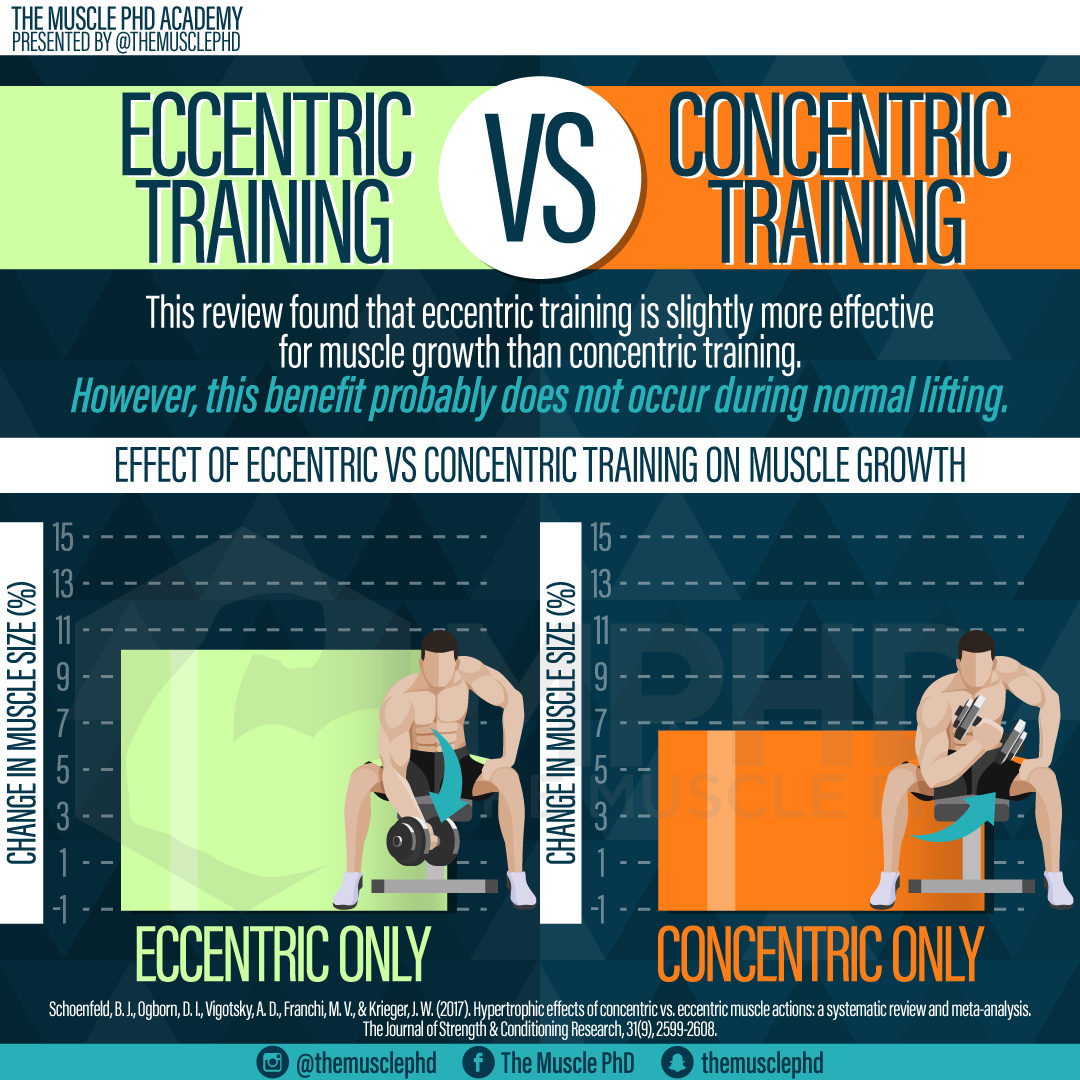
- Resistance Training: Maintaining muscle is critical in a cut, and resistance training helps retain those hard-earned gains. Compound movements like squats, deadlifts, and bench presses should remain staples in the workout routine.
-
- Cardio: While not as critical as nutrition and resistance training, cardio is still an important component. It aids in increasing caloric expenditure, creating the needed deficit for fat loss.
-
- Rest and Recovery: Adequate rest is essential as it allows the body to recover and maintain muscle mass. Overworking can lead to muscle loss and hinder progress.
The Importance of Never Using the Same Cut Gym Program Twice
The human body is incredibly adaptable. Over time, following the same routine can result in a plateau, where progress stalls. It’s crucial to continually challenge the body with varied routines. By not repeating the same cut gym program, individuals can ensure that their muscles are consistently challenged, preventing adaptation and promoting ongoing progress.
Conclusion
Following a cut gym program is not solely about cutting calories or increasing gym hours. It’s about smart, effective training and nutritional strategies that work hand-in-hand to create a lean, muscular physique. Whether you’re preparing for a competition or just striving for a personal goal, remember to frequently adjust your routines to optimize results.
FAQs
Q1: How long should a cut gym program last?
A cut gym program typically lasts between 6 to 12 weeks, depending on individual goals and starting points. It’s essential to monitor progress and adjust as needed to ensure continued improvement.
Q2: Can I build muscle while on a cut gym program?
Building muscle on a cut is challenging due to the caloric deficit, but it’s not impossible. Focus on adequate protein intake and resistance training to maintain muscle, with minor gains possible for beginners or those returning after a break.
Q3: How often should I change my cut gym program?
It’s advisable to switch up your program every 4 to 6 weeks. This prevents plateaus and keeps your workouts effective.
For more insights on fitness and health, you might find the articles on Healthline and Bodybuilding.com useful.
BIG SALE | FAST SHIPPING
HOT PROMOTIONS!


CLOMID 50MG FIERCE 50 TABLETS
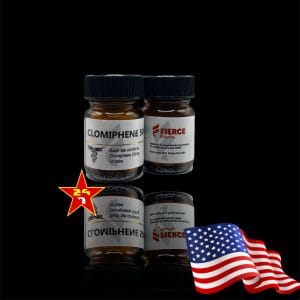
Original price was: $ 129.00.$ 119.00Current price is: $ 119.00.
Beligas 10ml Vial Testosterone NPP Blend 150mg

Original price was: $ 119.00.$ 99.00Current price is: $ 99.00.
ZPHC Clomid Clomiphene 25mg/tablet | 100 Tablets Total: 2500mg

Original price was: $ 159.00.$ 65.00Current price is: $ 65.00.

A “cut” gym program is specifically designed for individuals aiming to reduce body fat while preserving muscle mass to achieve a more defined and toned physique. This type of program typically incorporates a combination of cardiovascular exercises and strength training, with an emphasis on high-repetition weightlifting and circuit-style workouts to maximize caloric burn and enhance metabolic rate. Nutrition plays a crucial role in a cutting phase, where individuals focus on creating a caloric deficit through mindful eating, prioritizing lean proteins, complex carbohydrates, and healthy fats while reducing simple sugars and processed foods. The goal is to shed excess fat without sacrificing the hard-earned muscle, often involving strategic planning of macro-nutrients and meal timing to support intense workouts and recovery. It’s important to approach a cutting program gradually and sustainably to avoid muscle loss, nutritional deficiencies, or burnout.