

Therapeutic Use Exemptions: Balancing Health and Fair Play in Sports

In the world of sports, maintaining fairness while safeguarding athletes’ health is crucial. One way this balance is struck is through the use of Therapeutic Use Exemptions (TUEs). TUEs allow athletes to use specific prohibited substances for medical reasons, ensuring their well-being without compromising competitive integrity.
What are Therapeutic Use Exemptions?
Therapeutic Use Exemptions are a provision under the World Anti-Doping Agency’s (WADA) guidelines. They permit athletes to take medications or undergo treatments that are otherwise banned in competitive sports due to their performance-enhancing potential. The primary aim of TUEs is to allow athletes with legitimate health needs to compete on a level playing field.
To obtain a TUE, athletes typically must provide comprehensive medical records demonstrating the necessity of the prohibited substance. This documentation is reviewed by a panel of medical experts who determine whether the TUE is justified. The TUE application process must be completed well ahead of competition to ensure transparency and fairness.
The Importance of Therapeutic Use Exemptions
Therapeutic Use Exemptions play a critical role in promoting athlete safety while ensuring that no unfair advantage is gained. For example, an athlete with severe asthma may require medication that is on the prohibited list. A TUE allows them to receive treatment without suffering from their condition during competition.
Moreover, TUEs are integral in maintaining the integrity of sports. By publicly documenting and approving these exemptions, sporting organizations can uphold anti-doping regulations while allowing fairness for those with genuine medical conditions.
BIG SALE | FAST SHIPPING
HOT PROMOTIONS!



CLOMIPHENE TABLETS 50mg 50 TABLETS FIERCE
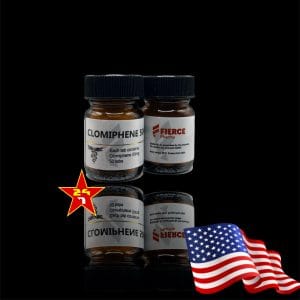
Original price was: $ 99.00.$ 89.00Current price is: $ 89.00.
CYT 3 6MG | T3 | Yohimbe | Clen | Weight Loss Blend | 100 Tablets Total Kit 600mg
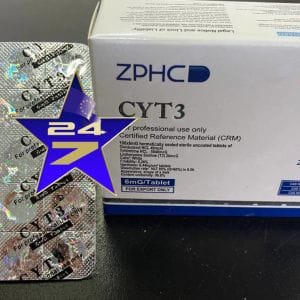
$ 69.00
Challenges and Controversies
Despite their importance, TUEs are not without controversy. Critics argue that TUEs can be abused, providing athletes with a loophole to gain a competitive edge. However, strict regulations are in place to prevent misuse, and the rigorous application process ensures that only legitimate cases are approved.
Improving transparency and educating athletes about the proper use of TUEs are essential steps in overcoming these challenges. For more detailed information, visit the WADA website and the Global DRO.
Conclusion
Therapeutic Use Exemptions are a vital aspect of modern sports, balancing the health needs of athletes with the principles of fair competition. By rigorously monitoring and regulating these exemptions, sporting bodies can ensure that the spirit of fairness remains intact while safeguarding athlete well-being.
Frequently Asked Questions
What is a Therapeutic Use Exemption?
A TUE permits an athlete to use certain prohibited substances or methods for medical reasons.
How can an athlete apply for a TUE?
Athletes must provide medical documentation and undergo a review by an independent panel of experts.
Why are TUEs important?
TUEs ensure athletes with genuine medical needs can compete without gaining an unfair advantage.
Are therapeutic use exemptions controversial?
Yes, they have sparked debate over potential misuse, but strict regulations aim to prevent abuse.
Therapeutic Use Exemptions (TUEs) are a critical component in the realm of competitive sports, enabling athletes with legitimate medical conditions to use necessary medications that would otherwise be prohibited due to anti-doping regulations. The TUE process ensures a fair and level playing field, while also addressing the health needs of athletes. To obtain a TUE, an athlete must provide thorough medical documentation proving the necessity of the prescribed substance for treating a specific health issue and demonstrate that no viable alternative treatments are available. This exemption maintains the integrity of sports by balancing the prevention of performance-enhancing drug misuse with the need to support athletes’ well-being. The TUE is granted by an established panel of medical experts and is subject to strict review and renewal processes.