THGH in Maximizing Workout Results: Before or After Training?
TABLE OF CONTENTS

Human growth hormone (HGH) is a naturally occurring hormone critical for growth, cell repair, and metabolism. It plays a pivotal role in muscle growth, fat loss, and exercise performance. For athletes and fitness enthusiasts seeking to optimize their training outcomes, the timing of HGH supplementation can be a key factor. This article delves into the considerations surrounding the use of HGH before or after training, providing insights into how timing may influence training results.
Understanding HGH
Human growth hormone is produced in the pituitary gland and has several important functions, including stimulating muscle tissue growth and supporting muscle recovery. Its role in promoting anabolic effects makes it a popular choice among those looking to enhance their physical performance and physique. However, the timing of HGH administration can significantly impact its effectiveness.
HGH Before Training
Taking HGH before training can potentially prepare your body for an intense workout. By administrating HGH prior to exercising, individuals may experience an increase in energy levels and endurance, potentially enhancing their ability to train harder and for longer periods. Additionally, HGH before training can kick-start the muscle repair process even as the workout is ongoing, leading to improved muscle growth and recovery.
For those aiming to maximize fat loss, using HGH before training could also promote higher metabolic rates. This is because HGH stimulates the mobilization of fat stores, which can be utilized as an energy source during exercise.
HGH After Training
On the other hand, using HGH after training primarily focuses on recovery and muscle repair. Post-exercise, your muscles experience microscopic tears, and HGH can expedite the healing process by stimulating protein synthesis. Administering HGH after training can also help replenish energy stores, reduce muscle soreness, and decrease recovery time.
Some advocates of using HGH after workouts believe that this timing takes advantage of the natural spike in growth hormone levels that occurs post-exercise. By supplementing at this time, you might enhance natural recovery mechanisms, leading to better muscle growth and adaptation.
The Verdict
The choice to use HGH before or after training depends largely on individual goals and the specific demands of one’s training regimen. Pre-training HGH use may benefit those focusing on endurance, energy, and fat loss, whereas post-training administration might suit individuals emphasizing recovery, muscle repair, and long-term growth.
Alternatively, some may experiment with using HGH both before and after training, though this approach should be carefully managed to prevent potential side effects or hormone imbalances.
Conclusion
The timing of HGH administration around training sessions can play a crucial role in achieving desired fitness outcomes. While taking HGH before training may enhance energy and endurance, using it after workouts could aid recovery and muscle growth. Personal goals and body responses should guide the decision on when to incorporate HGH into a fitness routine. Always consult with healthcare professionals before starting any HGH supplementation to ensure safety and efficacy.
FAQs
Q: Is HGH safe to use for training enhancement?
A: HGH can offer benefits for training, but it should be used under medical supervision to minimize potential side effects and ensure safe usage.
Q: Can HGH before or after training help me lose weight?
A: Yes, HGH can promote fat mobilization and metabolism, but it should be combined with a balanced diet and exercise for effective weight loss.
Q: What are the potential side effects of using HGH?
A: Possible side effects include joint pain, muscle pain, and swelling. Long-term or excessive use may cause more severe health issues.
Q: Can I use HGH both before and after training?
A: While some individuals may choose to do so, it’s important to carefully monitor the body’s response and consult with healthcare professionals to avoid adverse effects.
BIG SALE | FAST SHIPPING
HOT PROMOTIONS!

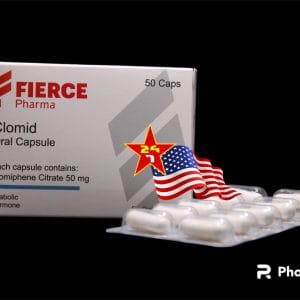
CLOMIPHENE TABLETS 50mg 50 TABLETS FIERCE
Original price was: $ 99.00.$ 89.00Current price is: $ 89.00.


Human Growth Hormone (HGH) plays a crucial role in physical development, cellular repair, and metabolic processes. Before training, individuals may consider HGH supplementation to enhance muscle growth, improve recovery, and boost energy levels. However, the use of synthetic HGH should be approached with caution and under medical supervision, as inappropriate use can lead to adverse effects like joint pain, swelling, and increased risk of diabetes. During training, the body naturally produces more HGH in response to stress and physical exertion, optimizing muscle development and fat metabolism. After training, a focus on proper nutrition and rest is essential to support the natural release of HGH, facilitating effective recovery and adaptation of the body to exercise. This hormonal balance is vital for maximizing performance and achieving long-term fitness goals, making the understanding and management of HGH levels a valuable aspect of any training regimen.