
Top Tips for Faster Muscle Recovery
Understanding Muscle Recovery: A Key to Better Performance
Muscle recovery is an essential component of any fitness or athletic routine. Proper recovery not only prevents injury but also enhances performance and enables you to reach your fitness goals more efficiently. In this article, we explore the scientific principles behind muscle recovery, and provide actionable tips to optimize your post-exercise routine.
The Science Behind Muscle Recovery
When you engage in physical activity, your muscle fibers are subjected to stress and microscopic damage. The recovery phase is the body’s process of repairing this damage, which leads to stronger and more resilient muscles. This biological event involves three primary stages: the inflammatory response, repair and regeneration, and remodeling.
Inflammatory Response
After intense physical activity, the body triggers an inflammatory response to protect injured tissue, which may cause temporary soreness or stiffness. This stage is crucial for kick-starting the healing process.
Repair and Regeneration
This stage involves the removal of damaged cells and the formation of new muscle fibers. The body mobilizes satellite cells to multiply and fuse, creating new fibers that augment the muscle’s growth potential.
Remodeling
During remodeling, collagen fibers are realigned to strengthen muscle tissue, optimizing it for future loads. This adaptation plays a key role in improving muscle strength and endurance.
Effective Strategies for Enhancing Muscle Recovery
To optimize muscle recovery, you need a combination of rest, nutrition, and mindful practices. Here are some evidence-based strategies:
- Sleep: Aim for 7-9 hours of sleep each night. Quality sleep is crucial for tissue repair and hormonal balance.
- Hydration: Maintain adequate hydration levels to support metabolic processes and nutrient transport.
- Diet: Consume a balanced diet rich in protein, carbohydrates, and healthy fats to fuel recovery.
- Active Recovery: Engage in low-intensity exercises, such as swimming or yoga, to promote blood circulation and reduce stiffness.
- Stretching and Mobility Work: Regular stretching helps to improve flexibility and reduce muscle tension.
Role of Supplements in Muscle Recovery
While whole foods are the best source of nutrients, supplements can support your recovery efforts. Consider these:
- Protein Powder: A convenient way to meet protein needs, crucial for muscle repair and growth.
- Creatine: Enhances muscle mass and recovery by replenishing ATP stores.
- Branched-Chain Amino Acids (BCAAs): May reduce muscle soreness and expedite recovery.
It is advisable to consult a healthcare professional before adding supplements to your regimen.
Managing Overtraining for Optimal Recovery
Overtraining can hinder recovery and lead to chronic fatigue or injuries. It’s essential to monitor your body’s signals and practice the following measures:
- Schedule regular rest days.
- Listen to your body and adjust workouts if needed.
- Maintain a diversified workout routine to avoid repetitive strain.
Innovative Recovery Tools and Techniques
In recent years, innovative recovery tools have gained popularity, offering new ways to support muscle restoration:
- Foam Rollers: Aid in myofascial release to reduce soreness.
- Compression Wear: Assists blood flow and reduces muscle fatigue.
- Cold and Heat Therapy: Alternating between these can alleviate soreness and promote recovery.
Tools like foam rollers and compression wear are gaining recognition for their effectiveness in promoting recovery.
For more insights, check out this comprehensive guide to muscle recovery techniques.
The Psychological Aspect of Recovery
Mental well-being plays a critical role in recovery. Stress management through mindfulness, meditation, or leisurely activities can significantly impact your body’s ability to recover efficiently.
Conclusion
Muscle recovery is an ongoing process that is pivotal to long-term health and athletic performance. By incorporating effective recovery strategies, listening to your body, and staying informed, you can enhance your results and maintain a sustainable fitness journey.
If you’re interested in exploring a range of recovery products designed to aid your fitness goals, we recommend checking out this article from the National Strength and Conditioning Association.
FREE SHIPPING
HOT PROMOTIONS!
BIG SALE | FAST SHIPPING
STADA T3 LIQUID 200MCG 30ML
Original price was: $ 91.00.$ 81.00Current price is: $ 81.00.
STADA HCG 5000IU WITH WATER
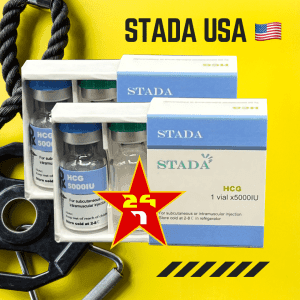
Original price was: $ 104.00.$ 91.00Current price is: $ 91.00.
ZPHC Anastrozole 30 tablets x 1mg Arimidex
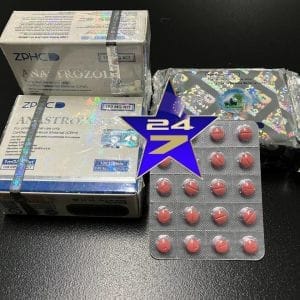
Original price was: $ 201.00.$ 99.00Current price is: $ 99.00.
FIERCE CLOMID 50MG 50CAPS
Original price was: $ 131.00.$ 121.00Current price is: $ 121.00.
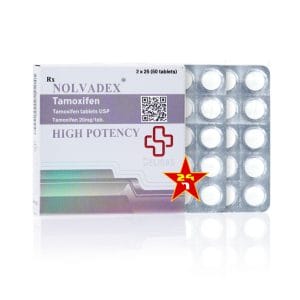
CROWX 👑 NOLVAROW 20 Mg / 50 Tabs (Nolvadex)
Original price was: $ 201.00.$ 69.00Current price is: $ 69.00.
CROWX 👑 ARIMIROW 1 Mg / 50 Tabs ( Anastrozole )
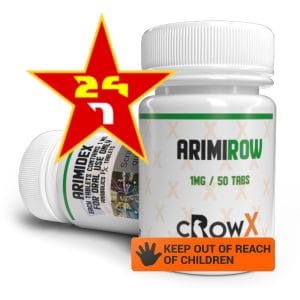
Original price was: $ 119.00.$ 79.00Current price is: $ 79.00.
AXIOM FEMARA LETROZOLE 2.5MG Tablets
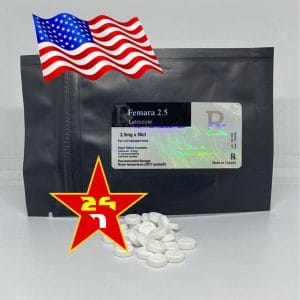
Original price was: $ 129.00.$ 109.00Current price is: $ 109.00.
ARIMIDEX 1MG FIERCE 100 T
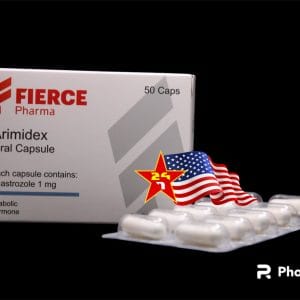
Original price was: $ 232.00.$ 139.00Current price is: $ 139.00.
TAMOXIFEN 20MG 50 CAPS FIERCE
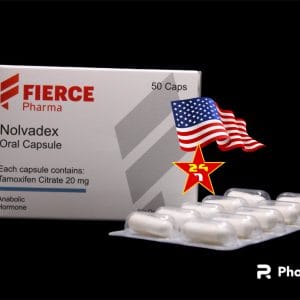
Original price was: $ 122.00.$ 101.00Current price is: $ 101.00.
FAQ: Common Questions About Muscle Recovery
What is muscle recovery and why is it important?
Muscle recovery is the process of repairing muscle fibers after exercise. It is important because it helps prevent injury, improves strength, and prepares muscles for future workouts.
How long does it typically take for muscles to recover after a workout?
Muscle recovery time can vary depending on the intensity and duration of exercise. Typically, it takes 24 to 72 hours for muscles to fully recover, but factors like nutrition, hydration, and rest can influence this timeframe.
What are some best practices for speeding up muscle recovery?
To speed up muscle recovery, ensure you get sufficient sleep, maintain hydration, eat a balanced diet, engage in active recovery, and consider tools like foam rollers and cold therapy.
Can supplements really help with muscle recovery?
While whole foods are the best nutrient source, supplements such as protein powders, creatine, and BCAAs can support recovery by supplying essential nutrients that aid muscle repair.
Are there signs that indicate poor muscle recovery?
Yes, signs like prolonged soreness, chronic fatigue, diminished performance, and lack of motivation may suggest inadequate recovery. It’s essential to address these issues promptly.
Why is rest as crucial as exercise in a fitness routine?
Rest is essential because it allows muscles to repair and grow stronger. Without adequate rest, the risk of overtraining, injury, and burnout increases significantly.