Faslodex

Faslodex, generically fulvestrant, treats hormone receptor-positive metastatic breast cancer in postmenopausal women post-failure of other anti-estrogen drugs. It acts by degrading estrogen receptors on cancer cells, reducing estrogen-induced cancer growth. Delivered intramuscularly, initially biweekly, then monthly, often in combination therapies, Faslodex enhances progression-free survival. Common side effects include injection pain and fatigue.

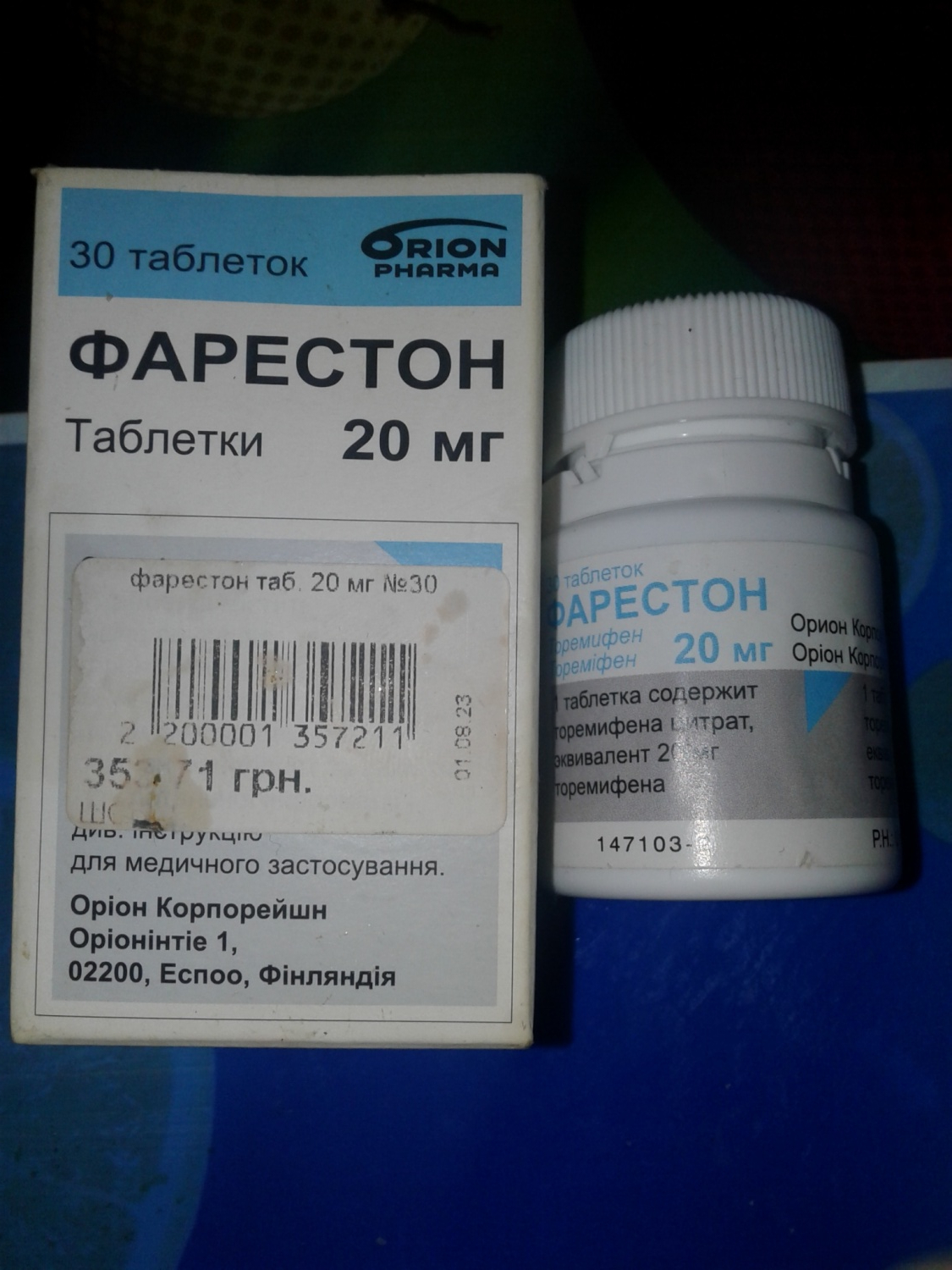
Fareston

Fareston, or toremifene, is primarily used for treating hormone-responsive breast cancer in postmenopausal women. Acting as a selective estrogen receptor modulator (SERM), it binds to estrogen receptors, curbing the growth effects of estrogen in breast tissue. It’s valuable for treating estrogen receptor-positive tumors, often prescribed when alternatives like tamoxifen fail. Potential side effects include hot flashes and increased thromboembolic risk, driving ongoing research to better its application in cancer treatment.

Melanotan II and Skin Cancer: Separating Fact from Fiction

Melanotan II is a synthetic analog of the naturally occurring hormone α-melanocyte-stimulating hormone (α-MSH). Initially developed for skin cancer prevention by enhancing the body’s natural tanning mechanisms, it increases melanin production, which darkens the skin and provides a protective barrier against UV rays. Additionally, it’s noted for effects on appetite suppression and libido enhancement. Despite its availability through grey markets, Melanotan II remains unapproved by major medical bodies like the FDA due to concerns over safety and potential side effects.

Long-Term Benefits of Arimidex for Breast Cancer Patients

Arimidex, known generically as anastrozole, is used primarily to treat hormone receptor-positive breast cancer in postmenopausal women. As an aromatase inhibitor, it reduces estrogen levels, helping slow the growth of estrogen-dependent tumors. Commonly prescribed post-surgery, it can decrease cancer recurrence risk, though side effects like joint pain and bone thinning may occur.

Exemestane vs. Anastrozole: Which Is More Effective?

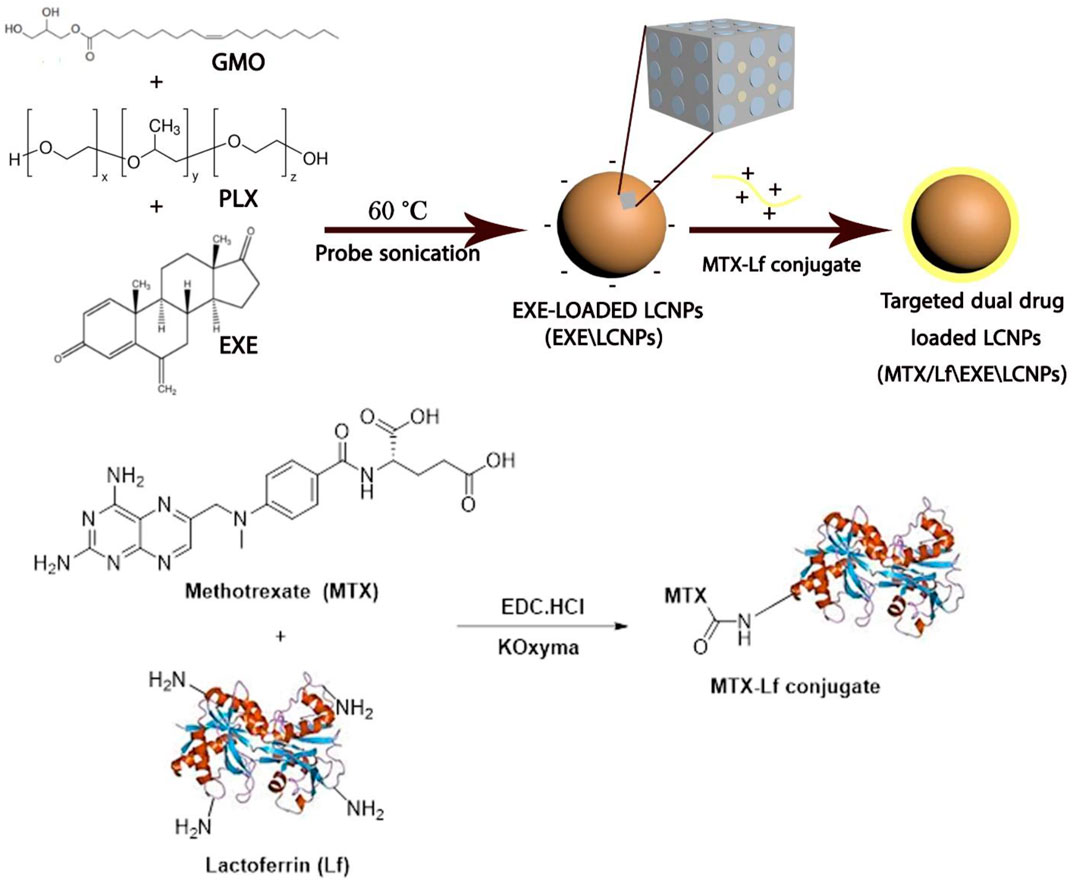
Understanding Exemestane Exemestane is a powerful drug commonly used to manage certain kinds of breast cancer in postmenopausal women. Known by the trade name Aromasin, it belongs to a class of drugs known as aromatase inhibitors. These inhibitors work by reducing estrogen production in the body, effectively slowing or reversing the growth of hormone-receptor-positive breast cancerRead More

Letrozole vs. Tamoxifen: Which is More Effective for ER-Positive Breast Cancer?

Letrozole, a non-steroidal aromatase inhibitor, is primarily used in the treatment of hormone receptor-positive breast cancer in postmenopausal women. As an effective medication, it works by lowering estrogen levels in the body, thereby slowing the growth of certain types of breast tumors that require estrogen to grow. In this article, we’ll delve into the specificsRead More

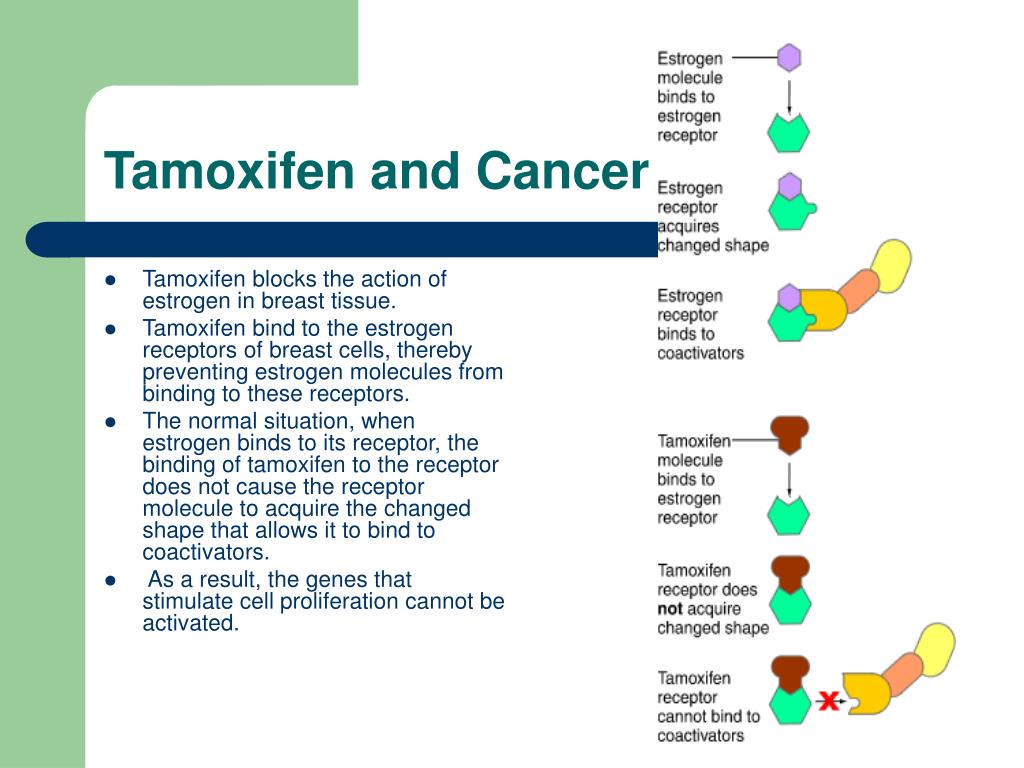
Exploring the Benefits and Risks of Tamoxifen Therapy in Women with ER-Positive Breast Cancer

Tamoxifen is a medication primarily used in the treatment of breast cancer, especially in women who have hormone receptor-positive breast cancer. As a selective estrogen receptor modulator (SERM), tamoxifen acts by interfering with the activity of estrogen, a hormone that can stimulate the growth of certain types of breast tumors. What is Tamoxifen? Tamoxifen worksRead More

Arimidex: A Closer Look at Its Mechanism and Effectiveness in Breast Cancer Treatment

Introduction Arimidex, also known by its generic name anastrozole, is a medication primarily used in the treatment of hormone-receptor-positive breast cancer in postmenopausal women. As an aromatase inhibitor, Arimidex works by reducing the production of estrogen, a hormone that can fuel the growth of certain types of breast cancers. With increasing awareness of breast cancerRead More

Letrozole: A Comprehensive Overview of Its Role in Breast Cancer Treatment

Letrozole is a medication primarily utilized in the treatment of breast cancer, especially in post-menopausal women. As a non-steroidal aromatase inhibitor, it works by reducing estrogen production in the body, thereby hindering the growth of estrogen-sensitive tumors. Since its introduction, letrozole has emerged as a cornerstone in the management of hormone receptor-positive breast cancer. HowRead More

Left Menu Icon
Your Cart