The Benefits of Mixing Creatine with Protein Powder

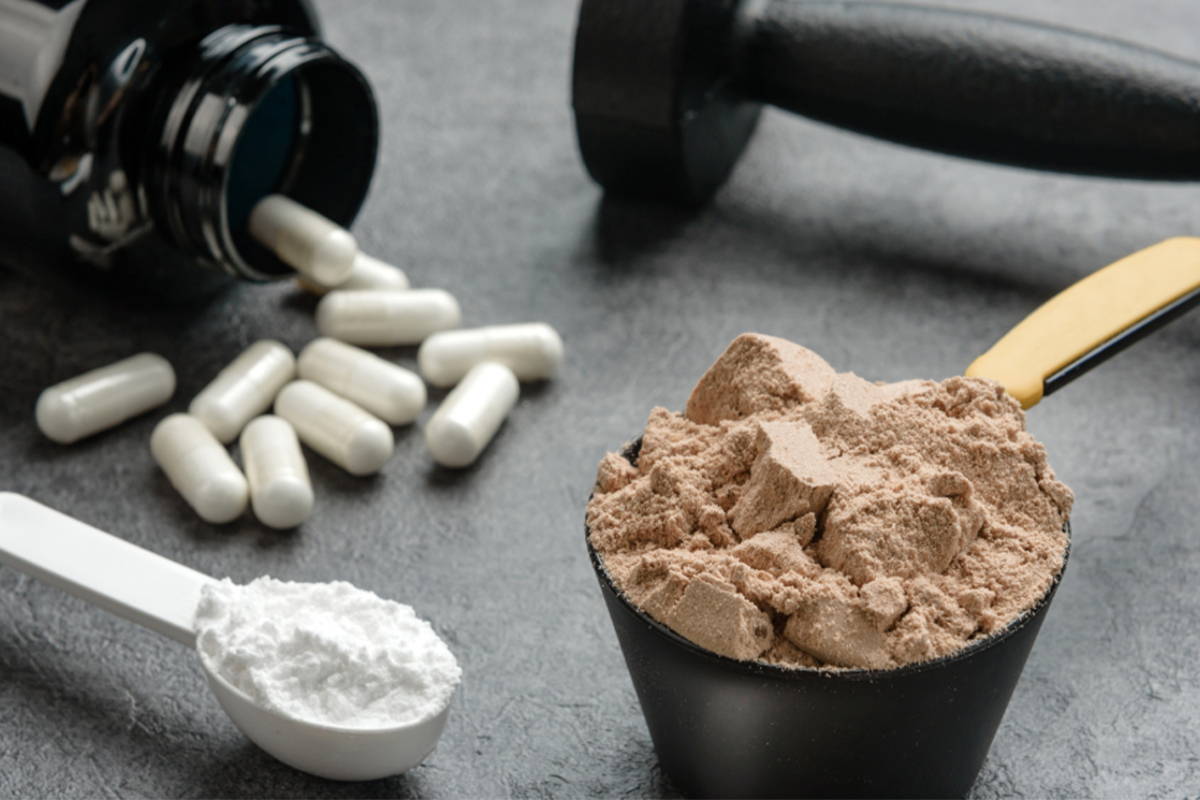
In the fitness world, mixing creatine with protein powder is popular for those looking to boost performance and muscle growth. Creatine enhances energy during high-intensity workouts, while protein powder aids muscle repair. Combining them may improve muscle gains and recovery, offering a streamlined supplement approach. However, it’s crucial to tailor intake to individual dietary needs and fitness goals. Consulting a healthcare professional is advised to align with personal health objectives.
Dry Scooping Creatine: Is This Trending Practice Safe?

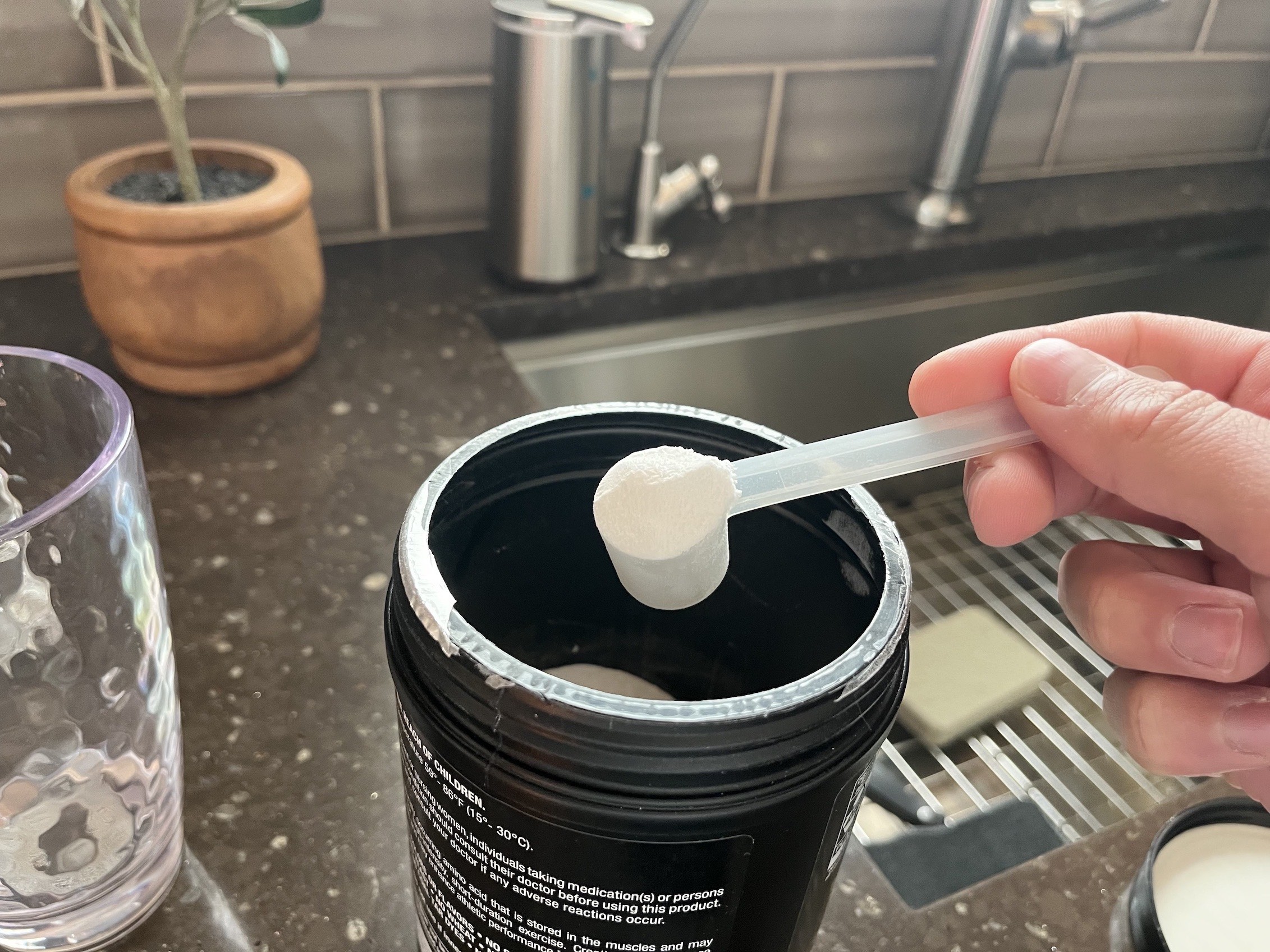
Dry scooping creatine, consuming it without liquid, has gained traction among fitness enthusiasts for its quick intake. Some claim it offers an energy boost, but there’s little evidence as creatine isn’t a stimulant. The practice risks choking and respiratory issues from powder inhalation and may cause stomach discomfort, as creatine’s best absorbed with water. Experts suggest dissolving it in a beverage for safety and effectiveness.

Phosphocreatine: The Hero of Athletic Performance Enhancement

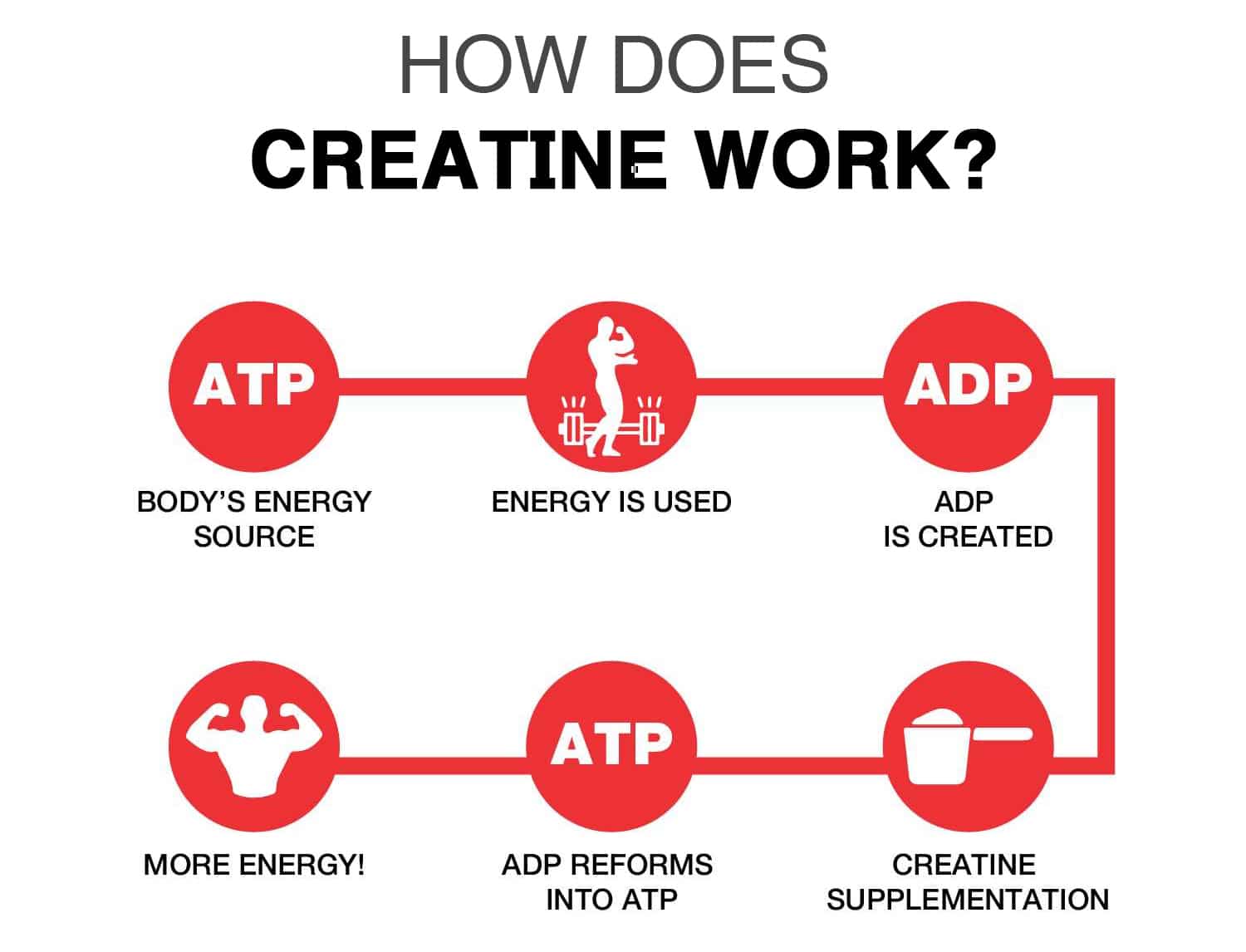
Phosphocreatine, or creatine phosphate, is crucial for muscle energy systems, acting as a quick reserve of high-energy phosphates. It helps regenerate ATP, the cell’s energy currency, during intense physical activity by donating a phosphate group to ADP. This process supports muscle work, providing short-term energy until other pathways can sustain activity. Phosphocreatine stores deplete during exercise but replenish during rest, and supplementation can enhance performance, strength, and recovery, making it popular among athletes.

Creatine Showdown: Nitrate vs. Monohydrate?

Creatine nitrate and creatine monohydrate are popular in athletic circles for their unique benefits. Creatine monohydrate is backed by extensive research supporting its role in boosting strength, muscle mass, and recovery. Creatine nitrate, though newer, may enhance absorption and improve blood flow, owing to its nitrate component. While creatine nitrate offers intriguing potential benefits, it lacks the comprehensive research supporting creatine monohydrate, which remains the preferred choice for proven performance enhancement.

What Happens When Creatine Meets Alcohol?

Combining creatine, a popular dietary supplement used to enhance athletic performance and increase muscle mass, with alcohol is a topic of interest and concern for many fitness enthusiasts. Creatine works by supplying additional energy to muscles, thus improving strength and endurance during high-intensity workouts. However, when consumed alongside alcohol, its efficacy can be compromised. Alcohol is a diuretic, leading to dehydration, which can counteract the hydrating benefits of creatine that are crucial for muscle recovery and optimal performance.

Creatine & Blood Pressure: Is Your Supplement Raising Concerns?

Creatine is a widely used dietary supplement among athletes and bodybuilders for enhancing muscle mass and improving exercise performance. Concerns arise about its effect on blood pressure due to potential water retention in muscles affecting blood volume. However, research suggests creatine does not significantly impact blood pressure in healthy individuals when taken at recommended doses. Those with pre-existing conditions or predisposed to hypertension should consult healthcare professionals before starting creatine supplementation to mitigate risks. Overall, evidence supports safe creatine use without substantial blood pressure concerns for most people.

Top Supplements – Best creatine for muscle gain 2025

When considering the best creatine for muscle gain, creatine monohydrate consistently emerges as the top choice among athletes and fitness enthusiasts. This popularity is largely due to its extensive research-backed effectiveness and affordability. Creatine monohydrate is known for its ability to increase muscle strength, enhance workout performance, and accelerate recovery, making it a staple in most muscle-building regimens.

The Science Behind Taking Creatine on an Empty Stomach

Creatine is a popular supplement widely used in the fitness industry for its ability to enhance performance, increase strength, and build muscle mass. Timing and consumption methods can affect its efficacy. Some believe taking creatine on an empty stomach accelerates absorption, though scientific evidence is inconclusive. Personal tolerance varies, with some experiencing stomach discomfort when taken without food.

Creatine liver damage

Creatine is a popular dietary supplement among athletes and bodybuilders, valued for its ability to enhance performance and muscle mass. Despite recurring concerns that creatine could lead to liver damage, studies generally show no harm to liver health when consumed by healthy individuals within standard dosage guidelines (3-5 grams per day). While typically safe, those with existing liver conditions or using high doses should consult healthcare professionals. Keeping within recommended dosages and seeking expert advice when necessary ensures safe creatine supplementation.

Creatine 1 month results

After one month of consistent creatine supplementation, many individuals report noticeable improvements in their physical performance and muscle mass. Creatine is renowned for enhancing strength, power, and high-intensity exercise capacity. Users often experience increased energy during workouts, leading to more intense sessions. The boost in performance is largely due to creatine’s role in replenishing ATP, the primary energy currency of the cell. Additionally, some observe a modest increase in muscle size, primarily due to water retention, though genuine muscle growth is also possible. Results can vary individually.

Creatine high blood pressure

Creatine is a popular supplement often used by athletes and fitness enthusiasts to enhance performance and increase muscle mass. Despite its widespread use, there are concerns about its potential effects on health markers like blood pressure. Creatine itself is not directly linked to high blood pressure, but changes in hydration levels caused by its use can potentially affect blood pressure in some individuals. It acts as a reserve for ATP, promoting energy availability during high-intensity exercise, which can improve exercise capacity.

Creatine under 18 side effects

Creatine is a popular supplement among athletes and bodybuilders to improve performance and increase muscle mass. Its use by those under 18 has raised safety concerns, including dehydration, muscle cramps, and hormonal impacts. Lack of research on young populations leaves potential risks uncertain. It’s vital to consult healthcare professionals before teens use creatine to understand possible long-term effects.

Creatine on rest days

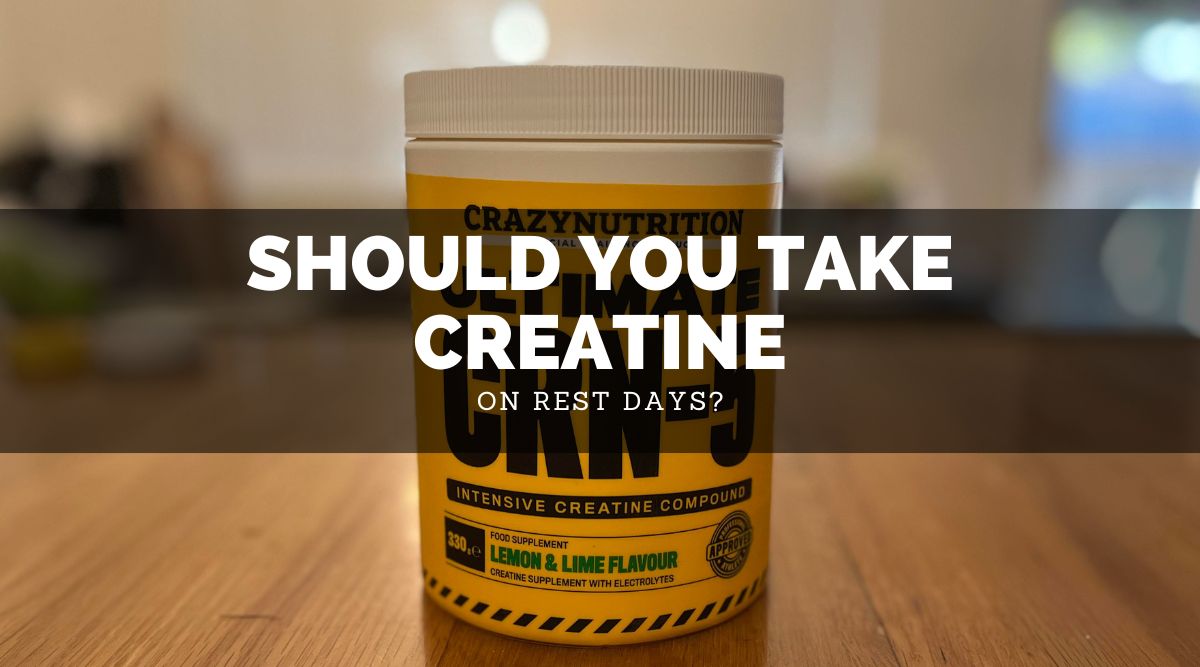
Creatine is a popular supplement among athletes and fitness enthusiasts, renowned for boosting performance in high-intensity activities like weightlifting. Even on rest days, supplementing can sustain elevated muscle phosphocreatine levels, aiding recovery and readiness for future workouts. Regular intake ensures muscle creatine saturation, promoting long-term gains and cognitive benefits.

Creatine nausea

Creatine supplements have gained popularity among athletes and fitness enthusiasts for boosting strength and muscle mass. Yet, some users report nausea, often due to improper dosage, dehydration, or taking it on an empty stomach. Starting with lower doses, gradually increasing, and consuming with meals can help manage and prevent nausea. Choosing the right type of creatine, like monohydrate, might also reduce side effects. Always listen to your body and consult a healthcare professional if symptoms persist.

Creatine loading phase reddit

The creatine loading phase is a widely discussed topic on platforms like Reddit, where fitness enthusiasts and athletes share their experiences and insights. This phase typically involves consuming 20 to 25 grams of creatine daily, split into several servings, for 5 to 7 days. While some users praise the phase for quicker strength gains, others raise concerns over gastrointestinal issues, suggesting muscle saturation can still be achieved with a consistent daily dose of 3 to 5 grams. These discussions blend personal anecdotes and scientific facts, helping users tailor their creatine use to their goals.

Creatine protein powder

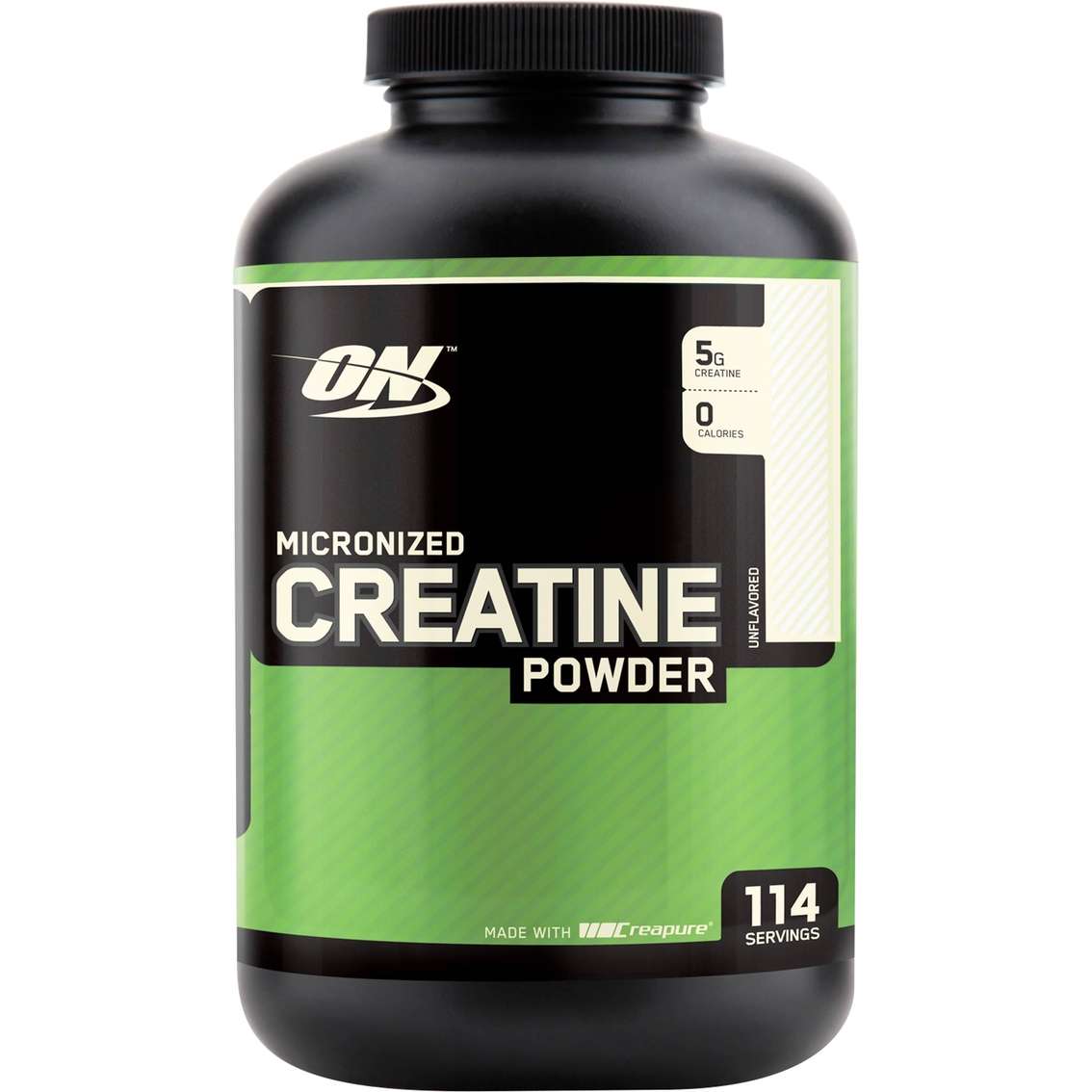
Creatine protein powder is a favored supplement among athletes and bodybuilders for boosting muscle strength, improving performance, and speeding recovery. It enhances ATP production, the energy powerhouse of cells, leading to increased power and endurance during intense exercises. Often mixed with drinks, it’s crucial to follow dosing guidelines and consult healthcare professionals if needed.

Creatine at night

Creatine is a staple supplement in the fitness world, appreciated for boosting physical performance and muscle growth. While daytime consumption is common, taking creatine at night is debated for its benefits like enhanced recovery during sleep. Despite potential sleep disturbances and hydration needs, nighttime dosing might suit individuals with busy schedules. Experimenting with timing can help determine the best routine to meet personal fitness goals.

Creatine benefits reddit

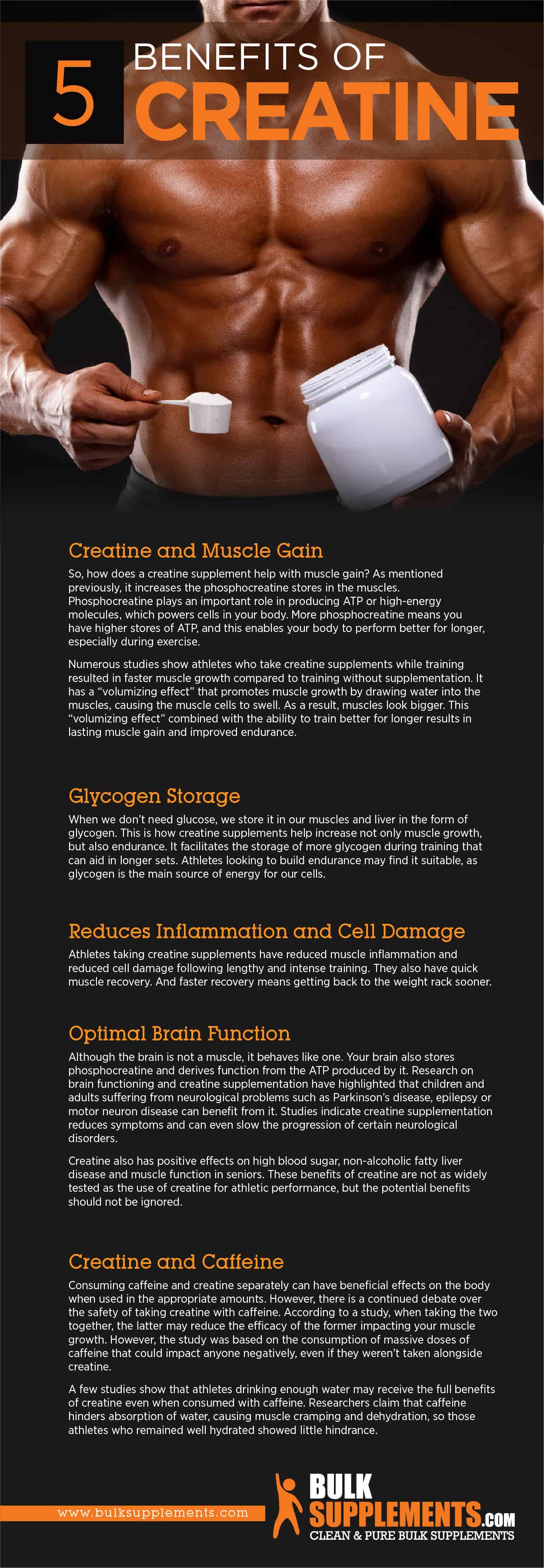
Creatine is a popular supplement frequently discussed on platforms like Reddit for its numerous benefits related to physical performance and muscle growth. Regular users on fitness subreddits often highlight creatine’s role in enhancing strength and power, which can significantly improve performance during high-intensity workouts. It is also praised for its ability to support muscle recovery, promote lean muscle mass, and increase energy levels by regenerating adenosine triphosphate (ATP) in muscle cells.

Creatine diabetes

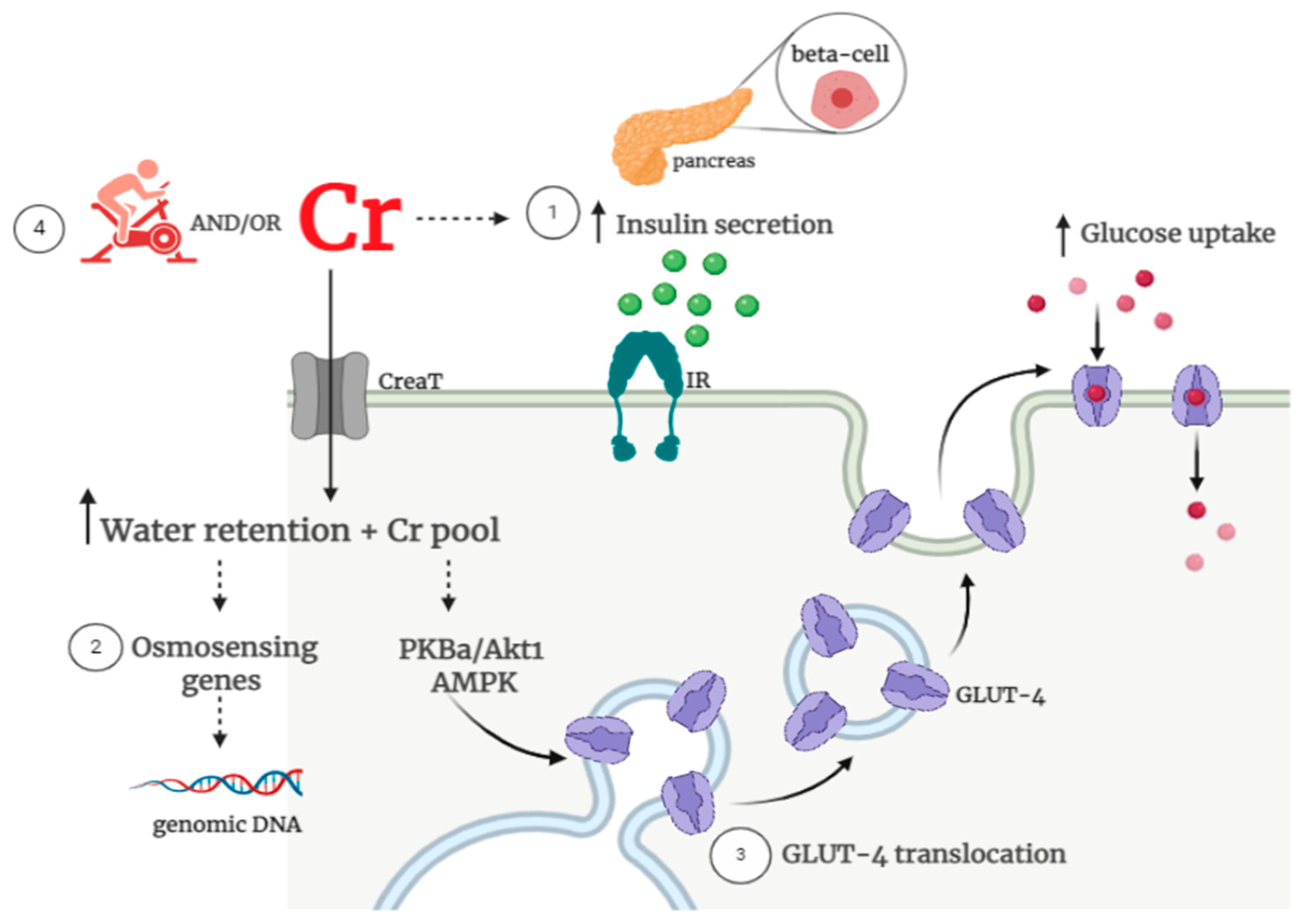
Creatine is a naturally occurring compound found in muscles and the brain. It aids energy production during high-intensity workouts. While popular among athletes for boosting performance, diabetics must understand its effects on blood sugar. Emerging research suggests creatine doesn’t significantly affect glucose levels. However, individual responses vary, and consulting a healthcare provider is crucial. Potential benefits for diabetics include muscle mass enhancement and fatigue reduction, aiding physical activity—a vital component of diabetes management. Caution is advised due to potential kidney strain. Kidney health monitoring is essential before use.

Workouts lower body

Creatine is a popular supplement for enhancing strength and muscle mass, but its use during pregnancy requires careful consideration. The body’s nutritional needs change significantly during this time, and the effects of creatine on fetal development and maternal health remain uncertain. Health professionals typically advise against using unnecessary supplements while pregnant, unless recommended by a healthcare provider. Consulting a doctor before continuing creatine use is important to prioritize the well-being of both mother and baby.

Creatine water weight

Creatine, well-regarded in the fitness community, enhances strength and muscle growth but often causes water retention, known as “creatine water weight.” This is due to creatine drawing water into muscle cells, leading to increased scale weight but not fat gain. The temporary water weight may enhance muscle volumization and performance. Proper hydration and diet can manage this side effect.

Creatine kidney stones

Creatine is widely used by athletes and bodybuilders to boost muscle strength and performance. Despite concerns about its potential link to kidney stones, evidence is not definitive. Most studies show that creatine, taken at recommended dosages, does not harm kidneys in healthy individuals. Kidney stone formation involves factors like genetics, diet, and hydration. Thus, staying well-hydrated is crucial for those using creatine to maintain kidney health and reduce stone risk. Individuals with kidney issues should seek medical advice before starting supplements.

Creatine hair loss reddit

Creatine and its rumored connection to hair loss has been a topic of spirited discussion on Reddit, with countless threads dedicated to exploring whether the popular supplement might contribute to thinning hair or baldness. Many users share personal anecdotes, often detailing their experiences with both hair loss and the use of creatine, with some swearing by the supplement’s benefits for enhancing workout performance, while others express concerns over its potential side effects. The conversation is usually split between those who have not noticed any adverse effects on their hair and those who are convinced there’s a link, regardless of the lack of definitive scientific evidence. Various users often cite studies, personal theories, or dermatologist advice to support their claims, making these threads a lively mix of shared experiences, scientific discourse, and, at times, speculative debate about the overall impact of creatine on hair health.

Creatine depression

Creatine is widely recognized for its role in boosting athletic performance and muscle mass. However, discussions have arisen about its impact on mental health, specifically regarding “creatine depression.” While primarily anecdotal, some suggest creatine could potentially worsen mood disorders. Conversely, limited research highlights its neuroprotective benefits. Individual responses vary, influenced by factors like existing health conditions and interactions with other medications. For those with mood disorders considering creatine, consulting a healthcare professional is crucial to ensure a balanced approach to supplementation and mental health.

Creatine headache

Creatine is recognized for enhancing performance and muscle mass, yet some users report “creatine headaches” as a side effect. These headaches, though not medically acknowledged, can be bothersome. Potential causes include dehydration, as creatine draws water into muscle cells, and improper dosage. Adjusting dosage, hydrating, and consulting a healthcare provider can help manage these headaches effectively.

Creatine benefits for women

Creatine, a well-researched supplement, offers numerous benefits for women looking to enhance fitness and overall health. By increasing phosphocreatine in muscles, it aids ATP production, crucial for high-intensity exercise, leading to improved strength and performance. It also supports quicker recovery, reduces soreness, and might enhance cognitive function, promoting mental clarity.

Creatine hair loss

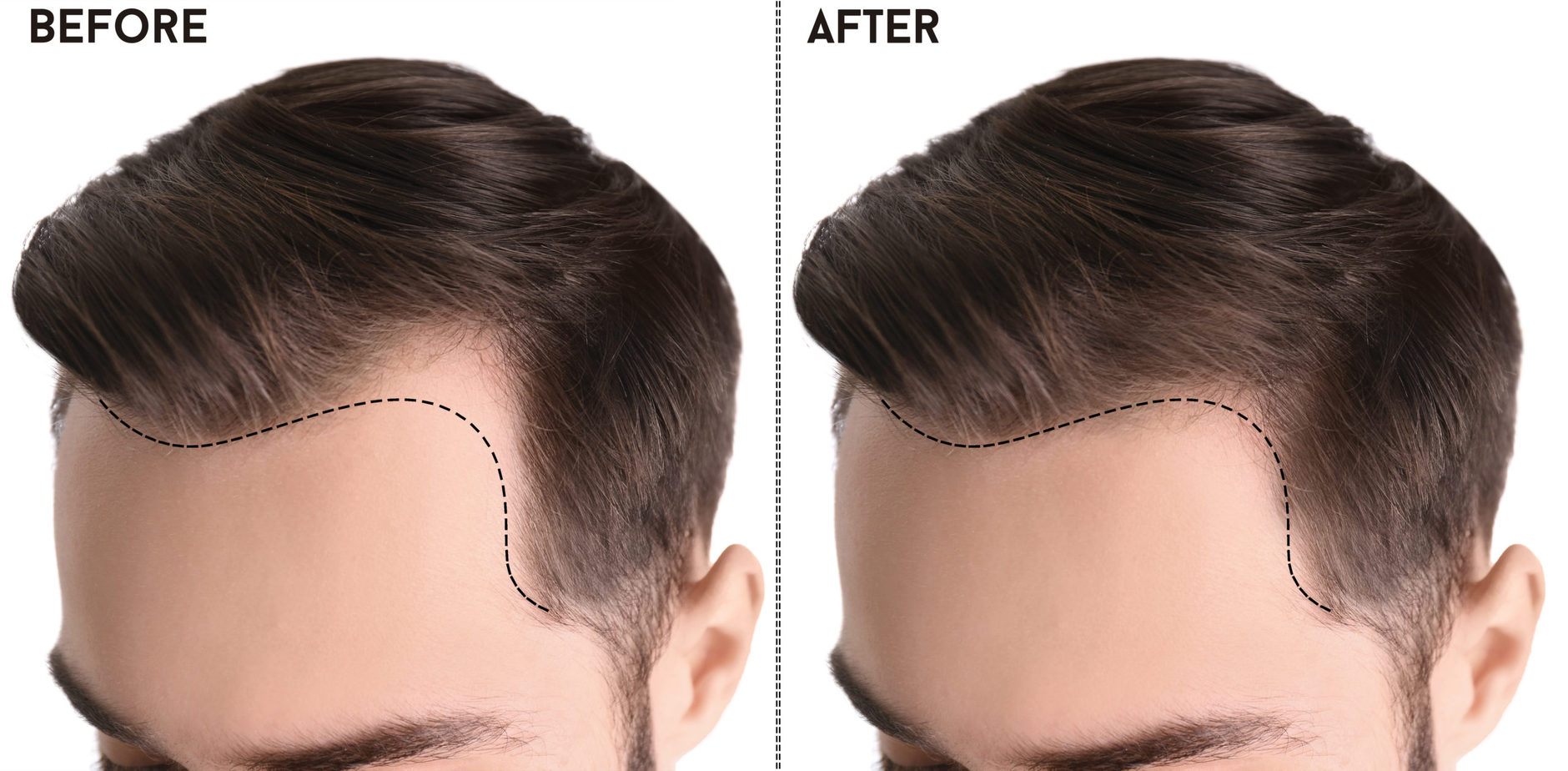
Creatine, widely used by athletes to boost muscle mass and performance, carries concerns regarding hair loss due to potential effects on dihydrotestosterone levels. Although a study indicated increased DHT with creatine, which is linked to hair loss in some, robust evidence is lacking. Those genetically predisposed to hair loss should weigh creatine’s benefits and consult healthcare professionals.

Select Wishlist

    Left Menu Icon
    Your Cart