Understanding IGF1 LR3: A Comprehensive Guide

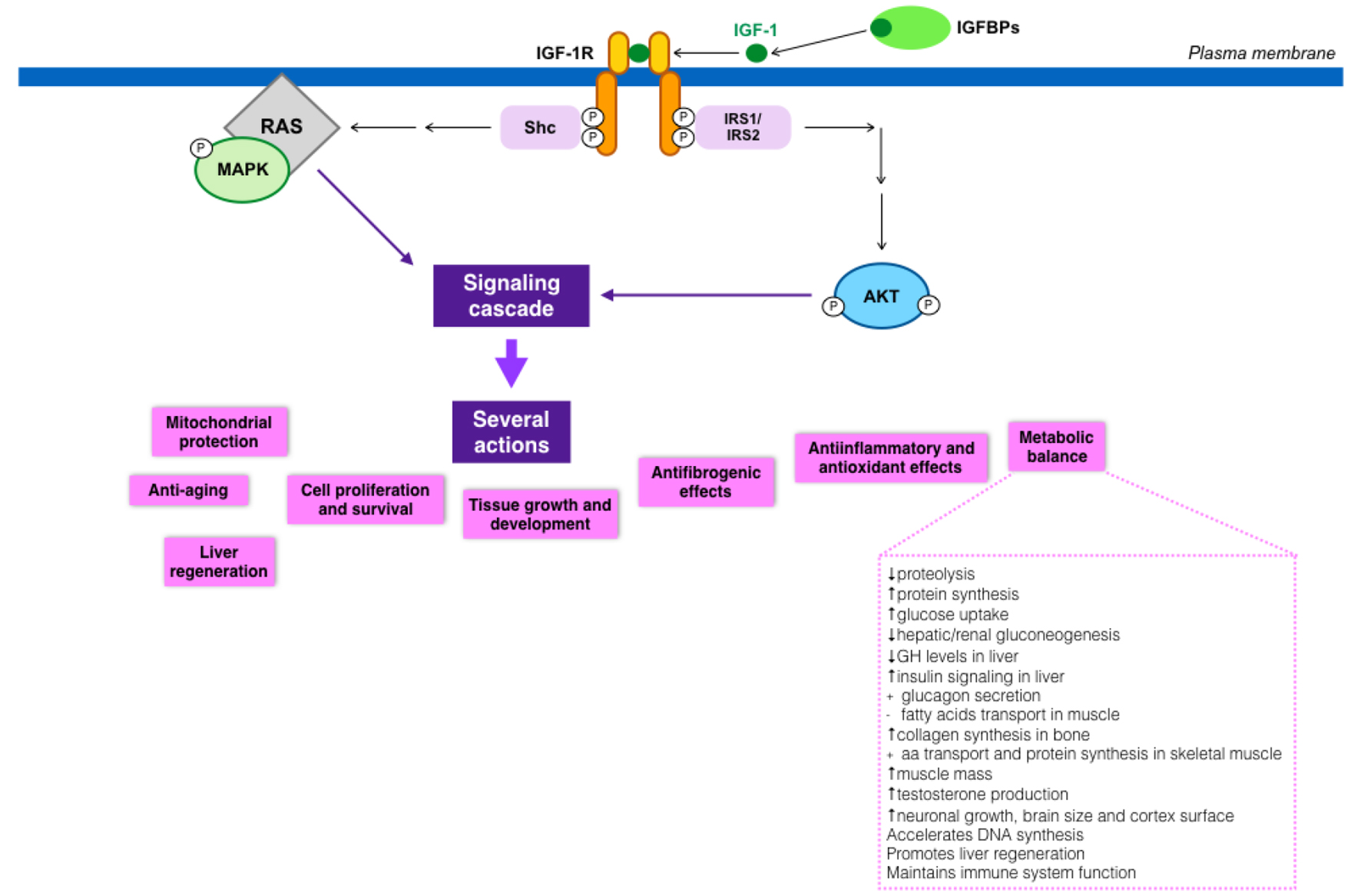
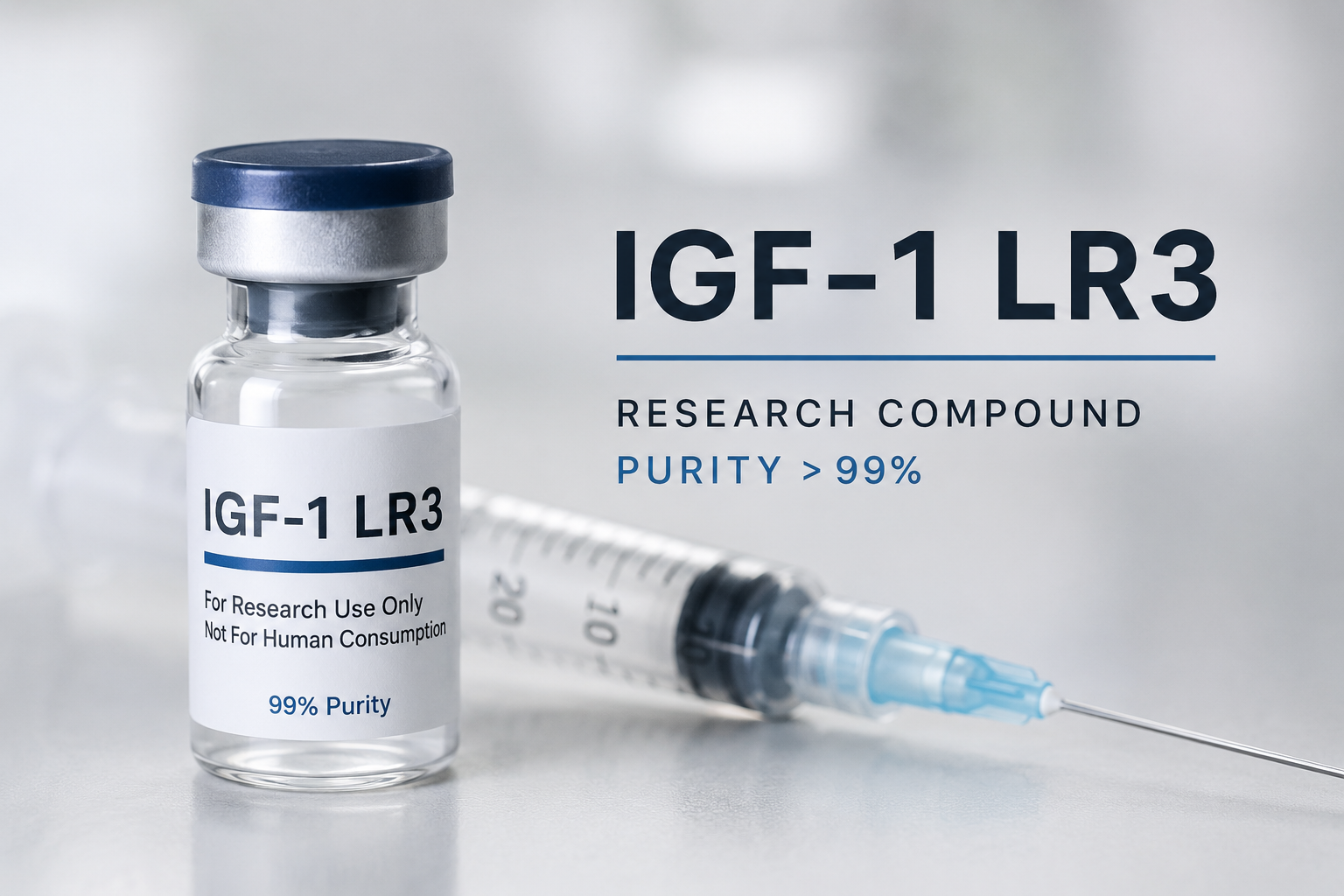
Insulin-Like Growth Factor 1 Long R3 (IGF1 LR3) is a synthetic protein known for its potent anabolic properties. With enhanced biological effects, it is crucial in muscle growth and cellular repair research. Unlike regular IGF-1, LR3 variant resists binding to inhibitory proteins, prolonging efficacy and facilitating more effective interaction with cell receptors. This modified protein supports muscle hypertrophy, strength, and potential anti-aging properties. However, its therapeutic uses remain under rigorous scientific evaluation.
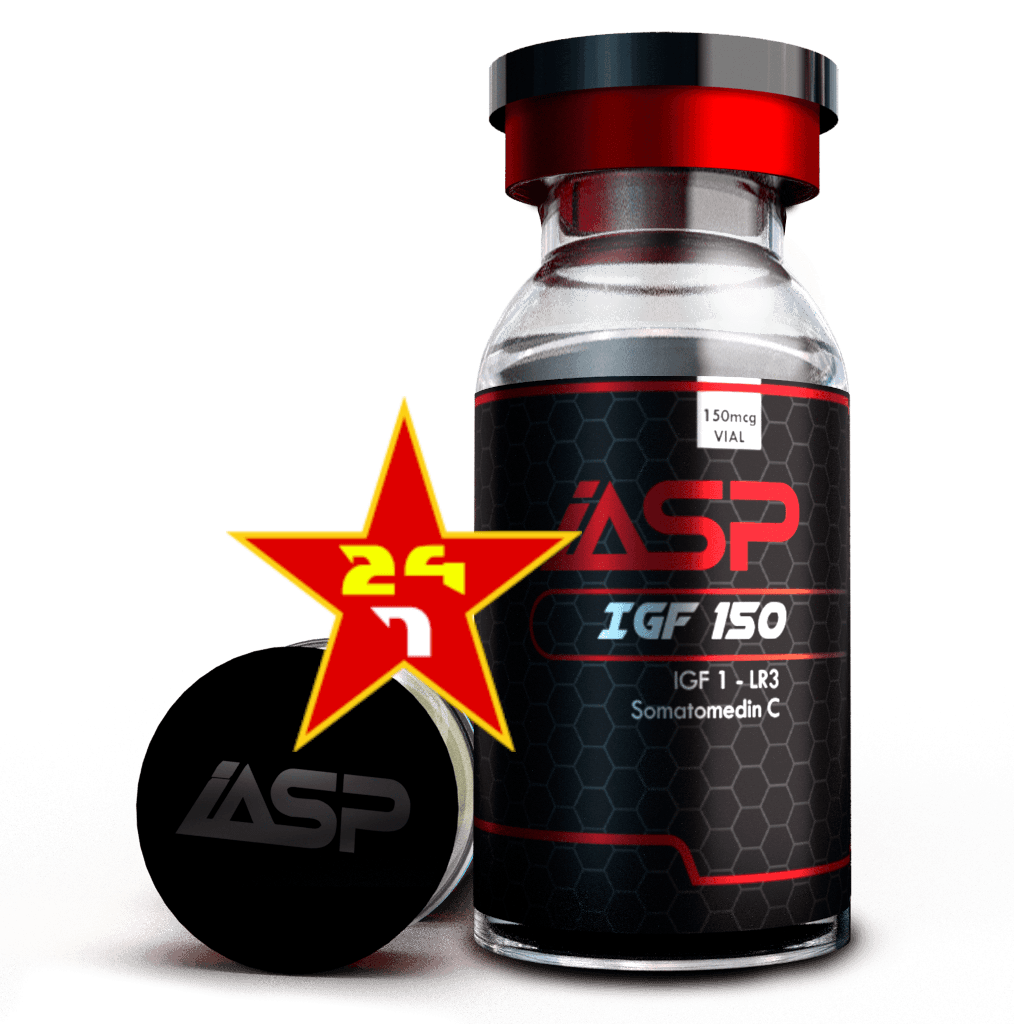
Exploring the Future of IGF-1 LR3 in Medicine and Sports Science

IGF-1 LR3, a variant of insulin-like growth factor, is a synthetic peptide known for its potent anabolic effects, especially in bodybuilding and sports performance. It enhances cellular growth by promoting muscle repair and protein synthesis, and improves fat metabolism. Modified for greater efficacy and longer circulation, IGF-1 LR3 is resistant to binding proteins, extending its half-life. Despite its benefits, its legal use for performance and long-term safety are still under debate, necessitating careful consideration and professional guidance.

The Role of IGF-1 LR3 in Age-Related Muscle Loss: What Does Research Say?

IGF-1 LR3, or Insulin-like Growth Factor-1 Long R3, is a recombinant protein engineered to enhance the properties of naturally occurring IGF-1, a hormone with growth-promoting effects similar to insulin. The LR3 variant increases the bioavailability and half-life of IGF-1, making it more effective for research and therapeutic uses, particularly in bodybuilding and regenerative medicine.

Maximizing Potential: How IGF-1 LR3 Enhance Recovery.

IGF-1 LR3, or Insulin-like Growth Factor 1 Long R3, is a synthetic peptide known for its prolonged half-life and stability. It is extensively used for its anti-aging and muscle growth effects. It enhances collagen production for skin, aids fat metabolism for weight management, and accelerates muscle recovery, making it popular among wellness enthusiasts. However, its use requires medical supervision due to potential side effects like joint pain. Notably, it is banned in some sports due to ethical concerns.

The Controversy Surrounding IGF-1 LR3: Ethics in Athletics

IGF-1 LR3, a synthetic variant of Insulin-like Growth Factor 1, is increasingly discussed in bodybuilding circles for its muscle growth and recovery benefits. It promotes cellular growth by stimulating protein synthesis, enhancing muscle size, strength, and recovery post-workout. However, due to its potent effects, cautious use and professional guidance are crucial to avoiding adverse side effects. Its longer duration of action is attributed to a molecular modification that extends its half-life, enhancing its efficacy as a growth stimulator. Despite its advantages, careful dosing is essential.

Left Menu Icon
Your Cart