Bodybuilder Ronnie Coleman Faces Setback with Latest Injury

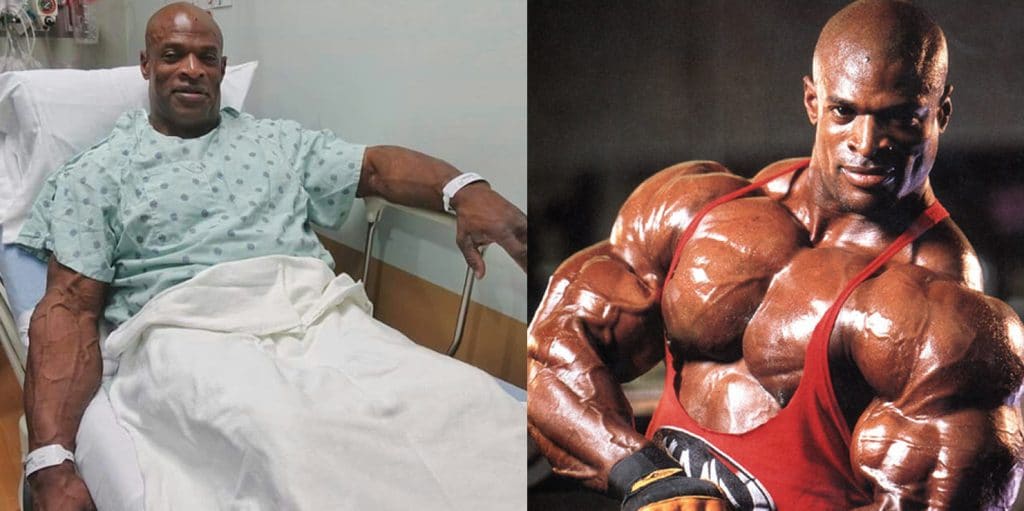
Ronnie Coleman, a name synonymous with bodybuilding excellence, is celebrated for his unmatched achievements and enduring struggle with injuries. Dominating the Mr. Olympia stage with eight consecutive wins from 1998 to 2005, his intense training eventually led to severe injuries, requiring multiple back and hip surgeries. Despite restricted mobility and persistent pain, Ronnie remains an icon of resilience, inspiring others through motivational talks and his continued commitment to fitness. His story is a powerful testament to balancing ambition with wellness in the pursuit of greatness.

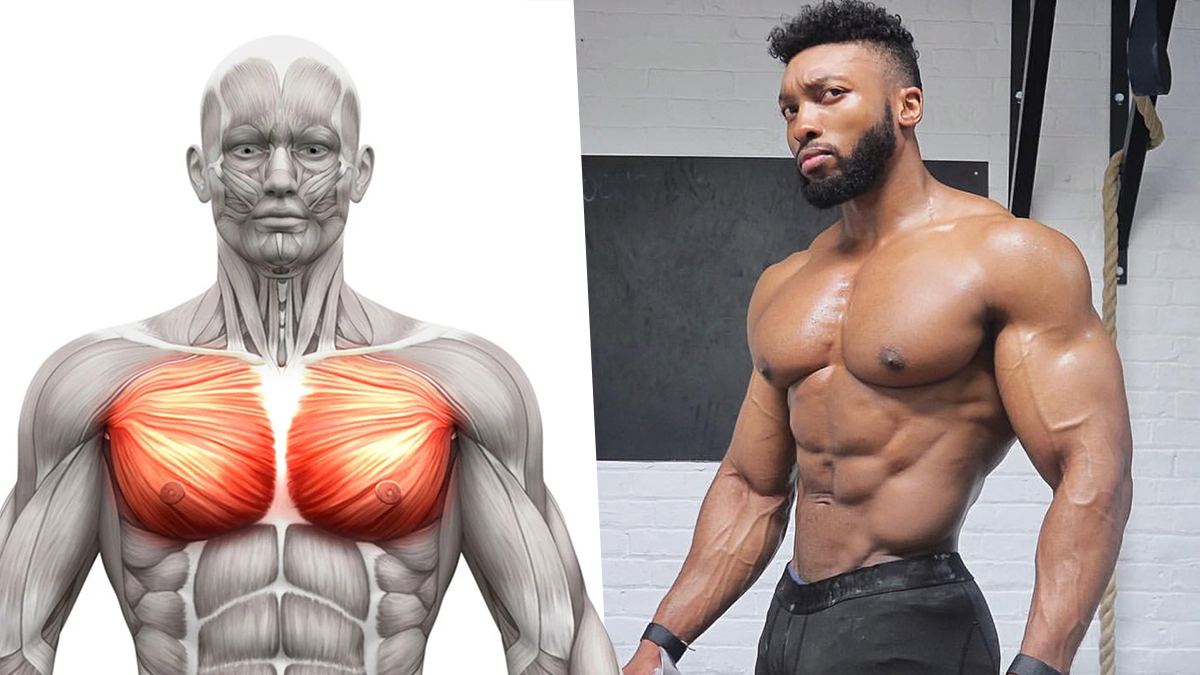
Cody Rhodes Battles: A Torn Pectoral Muscle Became a Hard Moment

Cody Rhodes, known for his resilience and dedication in professional wrestling, became a headline figure after experiencing a torn pectoral muscle in mid-2022. Despite the severity of the injury, he remarkably chose to compete in the WWE Hell in a Cell match against Seth Rollins. The visible bruise did not deter him, and his performance highlighted his physical toughness and unwavering commitment, sparking discussions on athletic endurance and showcasing the essence of wrestling as overcoming adversity, firmly cementing his status in the wrestling world.

Ripped Calf Muscles: Causes, Symptoms, and Recovery

A ripped calf muscle, or gastrocnemius tear, is when calf muscle fibers tear due to overstretching. It’s common in activities with sudden movements like running or sports such as basketball. Symptoms include sharp pain, swelling, and bruising. Initial treatment with the RICE protocol is recommended. Recovery may take weeks or months, depending on severity. Prevention involves warm-ups and strengthening exercises.

Ripped calf muscle

A ripped calf muscle, often called a calf muscle strain or tear, occurs when the muscle fibers in the calf—specifically the gastrocnemius or soleus—are overstretched or torn due to excessive stress or injury. This condition is common among athletes, particularly in sports that involve running, jumping, or sudden movements. Severity can range from mild strains affecting a few fibers to severe tears involving significant muscle mass. Symptoms include sharp pain, swelling, bruising, and difficulty walking. Treatment typically involves the R.I.C.E. method—rest, ice, compression, and elevation—to alleviate pain and swelling.

Agility Training: The Secret Weapon for Sports Performance and Injury Prevention

Agility training has become an essential part of fitness routines, especially for those seeking to enhance their performance in sports and physical activities. It focuses on increasing your speed, balance, coordination, and overall body control, leading to improved athletic performance. The versatility of agility training makes it suitable for individuals at various fitness levels, whetherRead More

HGH DOSAGE FOR TENDON REPAIR

Human Growth Hormone (HGH) plays an intriguing role in the field of regenerative medicine, notably in tendon repair. Tendons, the resilient components that connect muscle to bone, are prone to injuries due to overuse, aging, or trauma. HGH’s capacity to stimulate cell growth and regeneration has piqued interest in its potential application for tendon healing.Read More

The Science of Stretching: How It Enhances Performance and Prevents Injury

Stretching is often an overlooked component of physical health. It’s simple yet profoundly beneficial to overall well-being and physical performance. Stretching is a practice of gently and elongating muscles and the associated soft tissues like tendons and ligaments. What is Stretching? Stretching involves extending the body or a body part to its full length. It’sRead More

Left Menu Icon
Your Cart