Understanding IGF1 LR3: A Comprehensive Guide

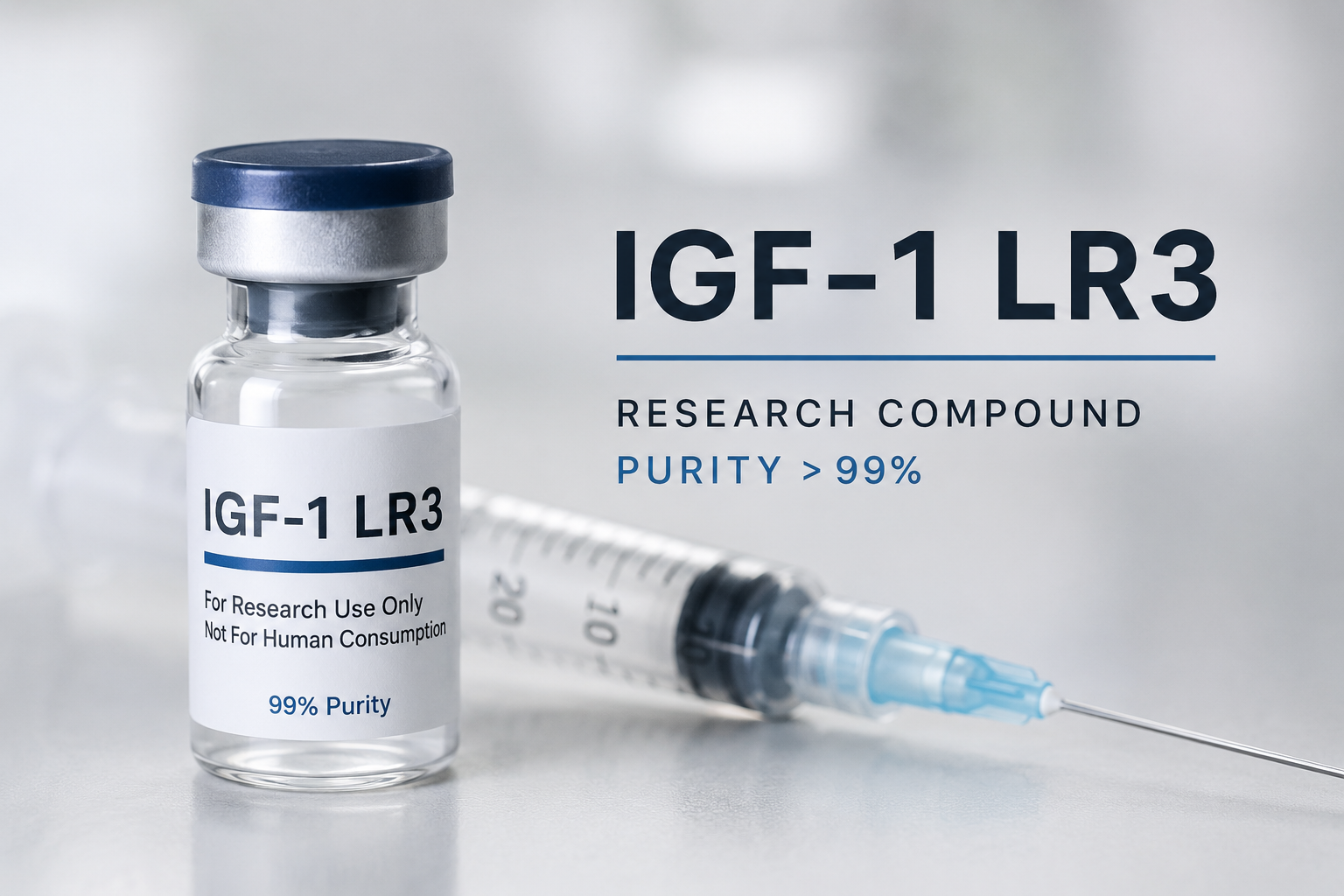
Insulin-Like Growth Factor 1 Long R3 (IGF1 LR3) is a synthetic protein known for its potent anabolic properties. With enhanced biological effects, it is crucial in muscle growth and cellular repair research. Unlike regular IGF-1, LR3 variant resists binding to inhibitory proteins, prolonging efficacy and facilitating more effective interaction with cell receptors. This modified protein supports muscle hypertrophy, strength, and potential anti-aging properties. However, its therapeutic uses remain under rigorous scientific evaluation.
Igf lr3 reconstitution

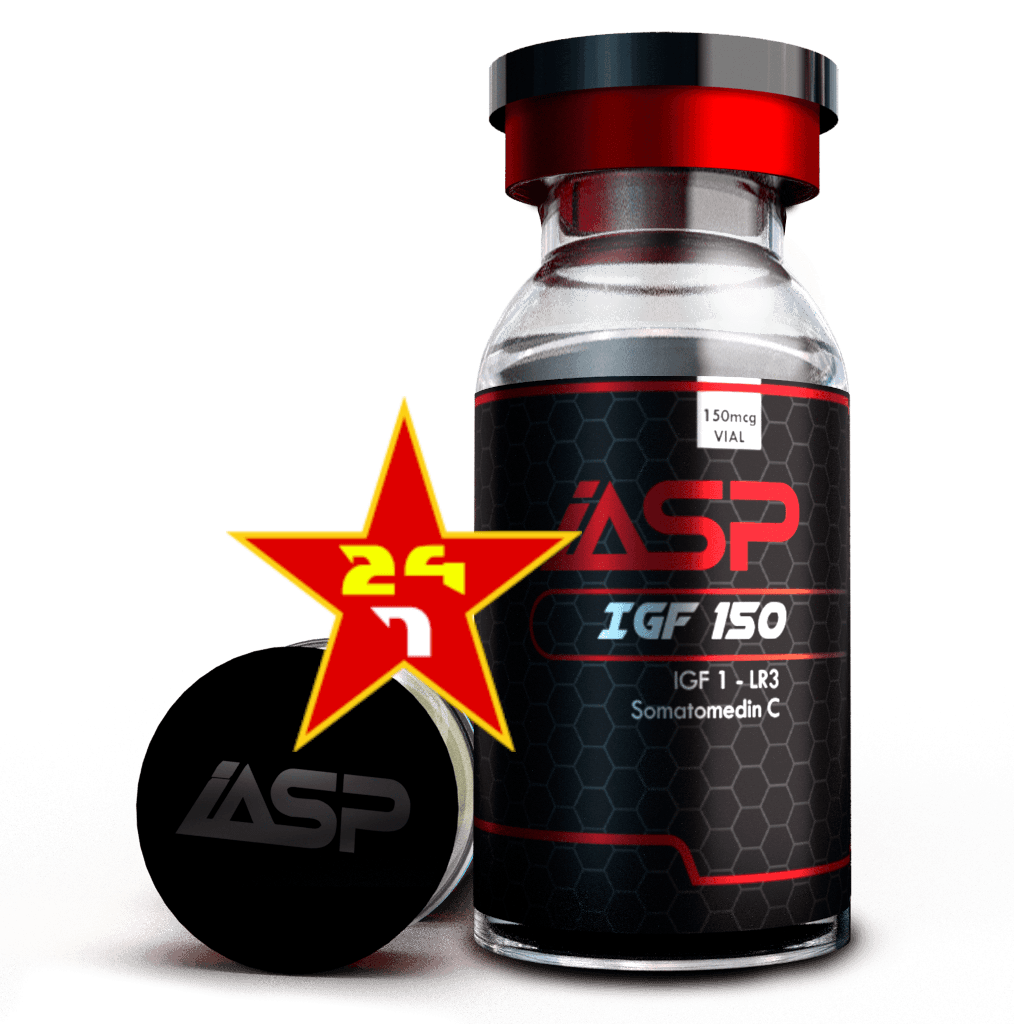
IGF LR3 is a powerful peptide used to boost muscle growth and recovery. Its effectiveness hinges on proper reconstitution with bacteriostatic water to prevent contamination. Careful handling during preparation and storing the solution in a refrigerator ensures its potency. Adhering to these steps maximizes benefits and minimizes health risks.

Igf 1 lr3 reconstitution

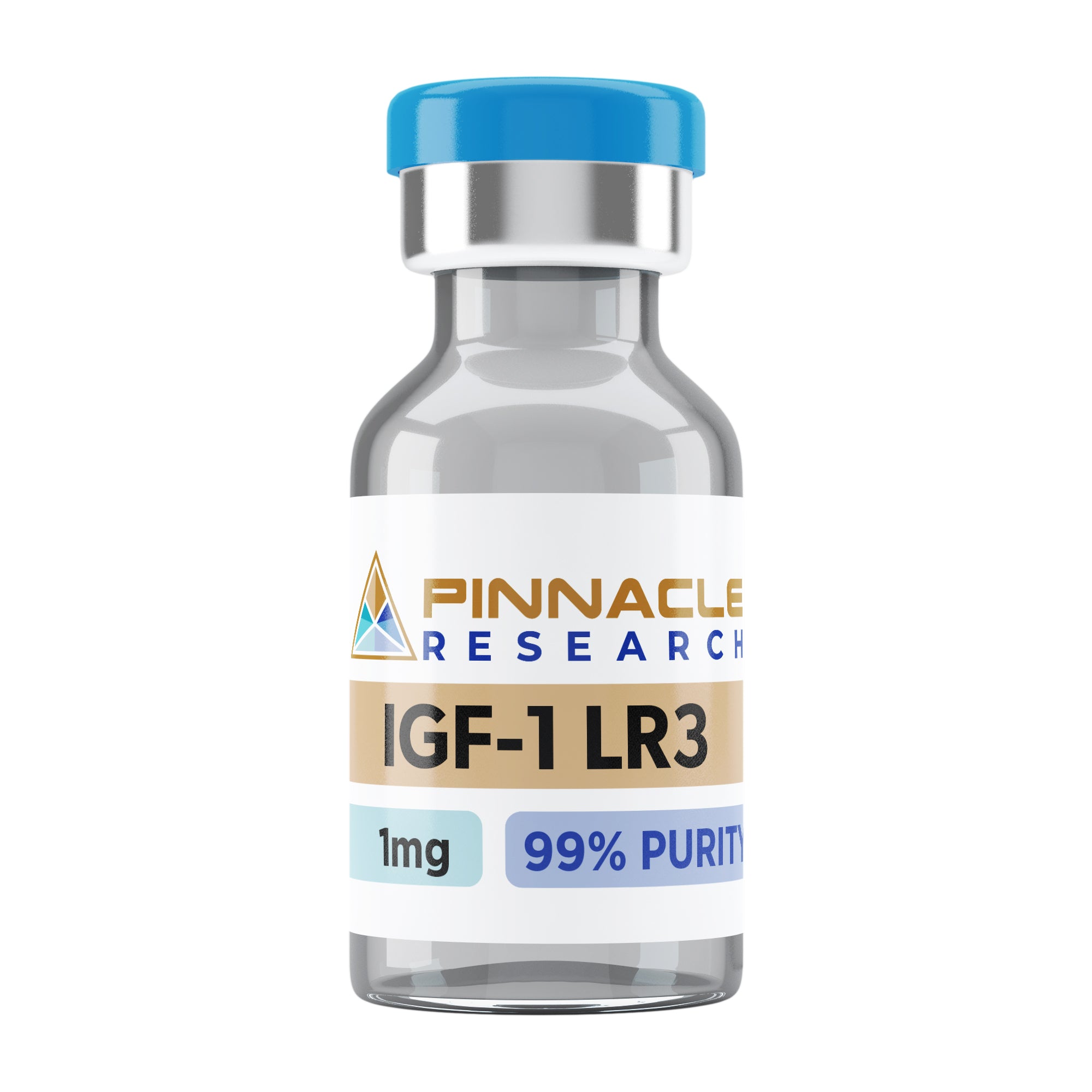
IGF-1 LR3, known as Insulin-like Growth Factor-1 Long Arg3, is a modified version of IGF-1 hormone with strong anabolic effects, popular among bodybuilders. Reconstituting IGF-1 LR3 involves turning its lyophilized powder into a liquid using bacteriostatic water. It demands precision to preserve potency, imperative for safety and efficacy. Proper reconstitution unlocks its benefits, promoting muscle growth and performance enhancement when handled correctly, avoiding contamination and ensuring storage stability.

Lr3 reliability

Lr3 is a synthetic variant of IGF-1 (Insulin-like Growth Factor 1), providing prolonged muscle support. Athletes explore Lr3 for muscle gain and recovery. Its reliability hinges on effectiveness, safety, and consistency. Users often report enhanced muscle density and faster recovery, though consulting experts is advised for safety.

Reconstitute igf 1 lr3

Reconstituting IGF-1 LR3 involves preparing the lyophilized peptide with a suitable solvent for research or therapeutic use. This process requires sterile techniques to maintain its stability and efficacy. Once reconstituted, it should be stored in a refrigerator to ensure potency. Known for promoting muscle growth, its use is regulated due to its potent biological activity, necessitating adherence to scientific and ethical guidelines.

Exploring the Future of IGF-1 LR3 in Medicine and Sports Science

IGF-1 LR3, a variant of insulin-like growth factor, is a synthetic peptide known for its potent anabolic effects, especially in bodybuilding and sports performance. It enhances cellular growth by promoting muscle repair and protein synthesis, and improves fat metabolism. Modified for greater efficacy and longer circulation, IGF-1 LR3 is resistant to binding proteins, extending its half-life. Despite its benefits, its legal use for performance and long-term safety are still under debate, necessitating careful consideration and professional guidance.

The Role of IGF-1 LR3 in Age-Related Muscle Loss: What Does Research Say?

IGF-1 LR3, or Insulin-like Growth Factor-1 Long R3, is a recombinant protein engineered to enhance the properties of naturally occurring IGF-1, a hormone with growth-promoting effects similar to insulin. The LR3 variant increases the bioavailability and half-life of IGF-1, making it more effective for research and therapeutic uses, particularly in bodybuilding and regenerative medicine.

Maximizing Potential: How IGF-1 LR3 Enhance Recovery.

IGF-1 LR3, or Insulin-like Growth Factor 1 Long R3, is a synthetic peptide known for its prolonged half-life and stability. It is extensively used for its anti-aging and muscle growth effects. It enhances collagen production for skin, aids fat metabolism for weight management, and accelerates muscle recovery, making it popular among wellness enthusiasts. However, its use requires medical supervision due to potential side effects like joint pain. Notably, it is banned in some sports due to ethical concerns.

Igf 1 lr3 dosage protocol

IGF-1 LR3, or Insulin-like Growth Factor 1 Long R3, is a modified version of IGF-1 used in bodybuilding for muscle growth and recovery. The dosage varies by individual goals and tolerance, often ranging from 20 to 50 mcg per day. Beginners should start low to minimize side effects, with cycles lasting 4-6 weeks. It’s essential to consult healthcare professionals before use.

The Controversy Surrounding IGF-1 LR3: Ethics in Athletics

IGF-1 LR3, a synthetic variant of Insulin-like Growth Factor 1, is increasingly discussed in bodybuilding circles for its muscle growth and recovery benefits. It promotes cellular growth by stimulating protein synthesis, enhancing muscle size, strength, and recovery post-workout. However, due to its potent effects, cautious use and professional guidance are crucial to avoiding adverse side effects. Its longer duration of action is attributed to a molecular modification that extends its half-life, enhancing its efficacy as a growth stimulator. Despite its advantages, careful dosing is essential.

IGF 1 LR3 STACK

The use of IGF-1 LR3 in the context of fitness and bodybuilding has gained significant traction in recent years. As peptides become more prevalent in the athletic world for their potential to enhance performance and physique, understanding their benefits, applications, and considerations becomes increasingly important for both enthusiasts and professionals.   IGF-1, or Insulin-like GrowthRead More

IGF 1 LR3 CYCLE

IGF-1 LR3, or Insulin-like Growth Factor 1 Long Arg3, is a synthetic peptide analog of the IGF-1 hormone. It is known for its extended half-life and enhanced bioavailability compared to its natural counterpart. The compound has gained attention in the bodybuilding community due to its potential to significantly influence muscle growth, recovery, and overall performance.Read More

IGF 1 LR3 CYCLE RESULTS

The fitness and bodybuilding community continually seeks new advancements to enhance muscle growth, performance, and recovery. Among recent breakthroughs is IGF-1 LR3 (Insulin-like Growth Factor-1 Long-Arginine-3), a peptide that has gained traction for its remarkable potential in improving physical performance. Its roles in promoting anabolism and muscle repair make it a subject of great interestRead More

IGF LR3 VS DES

In the world of bodybuilding and performance enhancement, Insulin-like Growth Factor (IGF) variants such as IGF LR3 (Long R3 IGF-1) and DES (IGF-1 DES) have garnered attention for their potential to aid in muscle growth and recovery. Both compounds are synthetic analogs of human IGF-1, which plays a crucial role in muscle development by promotingRead More

IGF 1 LR3 VS DES

The exploration of performance-enhancing compounds has seen significant interest, particularly in the realm of peptides like IGF-1 LR3 and IGF-1 DES. Both of these peptides are variants of the insulin-like growth factor 1 (IGF-1), a hormone crucial for growth and development. Despite their similarities, these two forms possess distinct characteristics and applications that make themRead More

IGF 1 DES VS LR3

IGF 1 DES and LR3 are two variants of insulin-like growth factor 1 (IGF-1) that have gained significant attention in the realms of bodybuilding and performance enhancement. These peptides play a crucial role in muscle growth by promoting cellular differentiation and proliferation, making them popular choices for athletes seeking to optimize their physical performance. UnderstandingRead More

Left Menu Icon
Your Cart