Ventolin: A Lifesaver for Asthma Patients Worldwide

Ventolin, a brand name for albuterol, is a bronchodilator providing quick relief by relaxing airway muscles and increasing lung airflow. Commonly prescribed for asthma and COPD, it’s essential to follow medical advice for its use. Over-reliance can reduce effectiveness and cause increased heart rate or jitteriness. It’s typically a rescue inhaler rather than a long-term treatment, and patients must consult healthcare professionals about its usage, especially if dealing with other health concerns like heart disease.

Accutane 20 mg: A Comprehensive Guide to Acne Treatment

Accutane 20 mg is a prescription medication used for severe acne. Its active ingredient, isotretinoin, a vitamin A derivative, reduces skin oil and promotes renewal. Prescribed under strict supervision due to potential side effects, it’s important for patients to follow safety guidelines, such as avoiding pregnancy and having regular check-ups. Despite risks, Accutane is effective in clearing severe acne for many.

Ezetimibe: Common Side Effects and How to Manage Them

Ezetimibe is a medication used to lower cholesterol levels and is often prescribed alongside statins or used as monotherapy for individuals who cannot tolerate statins. While generally well-tolerated, ezetimibe can cause side effects in some individuals. Common side effects include gastrointestinal issues such as diarrhea and abdominal pain.

Side Effects From Hydroxyzine

Hydroxyzine, an antihistamine commonly used to treat anxiety, allergies, and symptoms of alcohol withdrawal, can have a variety of side effects. Most notably, it may cause drowsiness, impairing tasks that need full alertness. Other side effects include dry mouth, dizziness, and blurred vision. Some individuals may experience gastrointestinal issues such as nausea or constipation.

Temazepam: Uses, Benefits, and Potential Risks

Temazepam is a medication in the benzodiazepine class prescribed for its sedative properties, primarily for short-term insomnia treatment. It aids individuals with sleep issues by enhancing gamma-aminobutyric acid (GABA) effects in the brain, facilitating relaxation and sleep. While effective, it’s typically recommended for short-term use due to tolerance and dependence risks. Patients should adhere to medical guidance to minimize potential side effects like dizziness or cognitive impairments.

Tamiflu: Breaking Down the Benefits and Limitations

Tamiflu, generically known as oseltamivir, is a key antiviral medication for treating and preventing influenza A and B. This drug, developed by Gilead Sciences and marketed by Roche, inhibits the neuraminidase enzyme, crucial for flu virus spread. Early administration—within 48 hours of symptom onset—shortens flu duration and severity, benefiting high-risk groups like the elderly and those with chronic conditions. Despite potential side effects like nausea, Tamiflu remains vital, though careful use is suggested to avoid antiviral resistance and assess efficacy concerns.

Udenafil: The Emerging Contender in Erectile Dysfunction Treatment

Udenafil is a PDE5 inhibitor, like Sildenafil and Tadalafil, for treating erectile dysfunction by boosting blood flow to the penis. Its key benefits include a rapid onset within 30-60 minutes and lasting up to 24 hours, enhancing both flexibility and spontaneity in sexual activity. Udenafil is favored due to fewer side effects such as headaches and facial flushing. However, potential users should consult with healthcare providers to ensure it suits their specific health conditions.

Fluoxetine: Exploring Its Role in Modern Mental Health Treatment

Fluoxetine, commonly known by its brand name Prozac, is a selective serotonin reuptake inhibitor (SSRI) essential for treating mental health conditions like major depressive disorder, OCD, bulimia nervosa, and panic disorder. Approved by the FDA in the late 1980s, it revolutionized depression treatment by targeting the serotonin system for mood regulation. By inhibiting serotonin reuptake, Fluoxetine increases its availability, alleviating symptoms of depression and anxiety. Though well-tolerated, common side effects include nausea and insomnia. It remains pivotal in psychopharmacology, offering relief worldwide and inspiring further SSRI development.

The Rise and Fall of Sibutramine: A Controversial Weight Loss Drug

Sibutramine, once a popular prescription medication for obesity management, functioned by altering brain neurotransmitters to suppress appetite and enhance feelings of fullness. Despite its effectiveness in aiding weight loss alongside diet and exercise, it was linked to significant cardiovascular risks, including elevated blood pressure and increased chances of heart attacks and strokes. Consequently, it was banned in several regions, such as the United States and European Union, in 2010. Although no longer legally available, it still sometimes appears illegally in non-prescription supplements, sparking ongoing safety concerns.

Avanafil: A Deep Dive into the New Era of ED Treatment

Avanafil is a medication primarily used to treat erectile dysfunction, characterized by the inability to achieve or maintain an erection for satisfactory sexual performance. Marketed under brand names like Stendra and Spedra, it functions as a phosphodiesterase type 5 (PDE5) inhibitor, increasing blood flow to the penis by relaxing blood vessels. Noted for its rapid onset, avanafil can work within approximately 15 minutes of ingestion, making it one of the faster-acting drugs in its class. It is usually taken as needed and known for a lower likelihood of side effects.

Bromocriptine vs. Cabergoline

Bromocriptine and cabergoline are dopamine agonists used for hyperprolactinemia conditions like prolactinomas. Bromocriptine, with a shorter half-life, often requires frequent dosing, leading to gastrointestinal side effects. Cabergoline, preferred for its longer half-life, enables once or twice-weekly dosing, enhancing compliance and minimizing side effects.

Advil: Over-the-Counter Pain Reliever For All

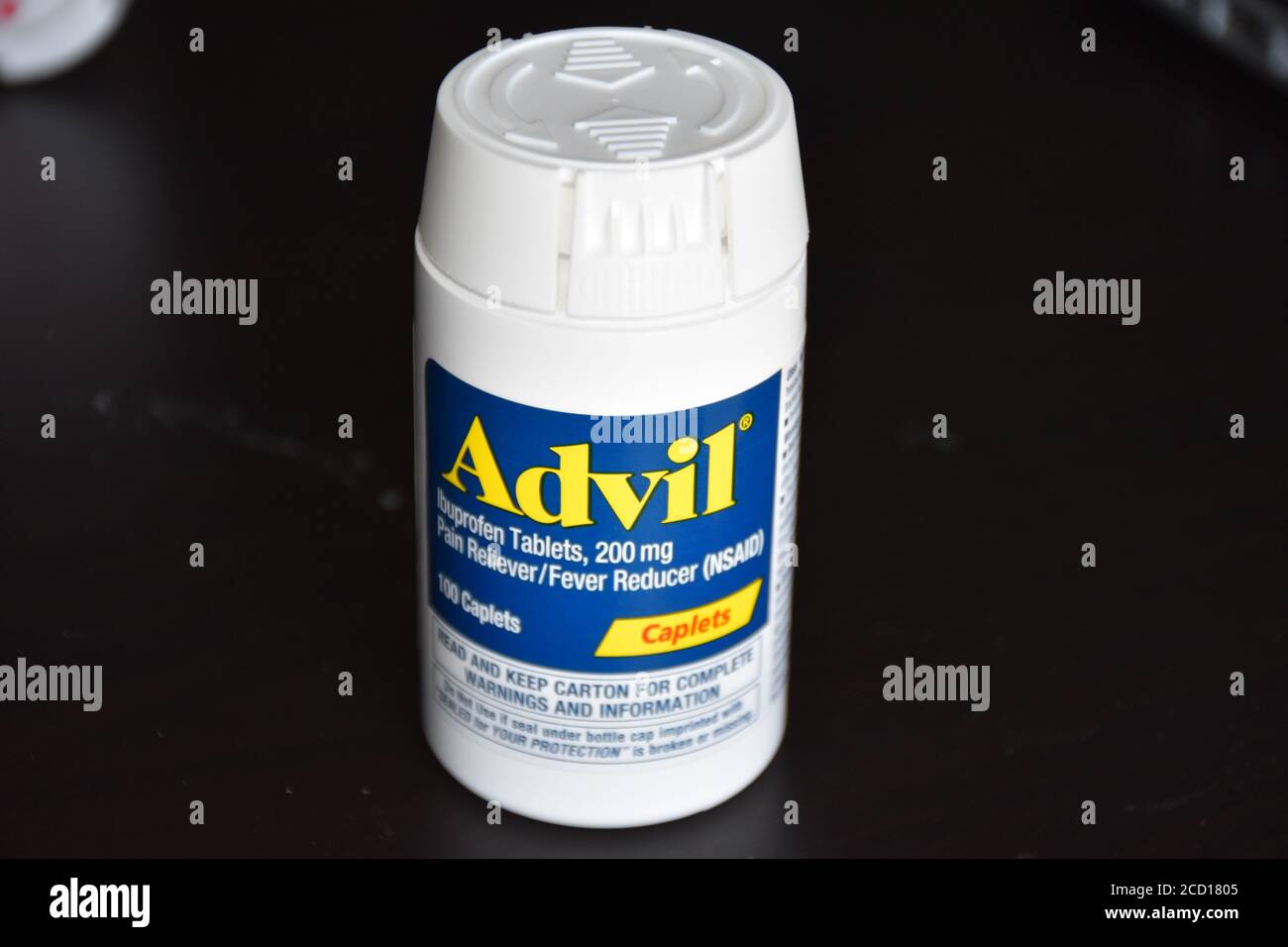
Advil, a widely recognized over-the-counter medication, is primarily used to alleviate pain and reduce inflammation. Its active ingredient, ibuprofen, belongs to the nonsteroidal anti-inflammatory drug (NSAID) family and works by inhibiting prostaglandins, compounds that cause pain and inflammation. Advil effectively treats headaches, muscle aches, menstrual cramps, arthritis, and minor injuries, and is available in multiple forms like tablets and liquid gels. While generally safe for short-term use, adhering to recommended dosages is essential to avoid potential side effects. Always consult a healthcare professional before use.

Side Effects? What to Know Before Taking Imitrex

Imitrex, or sumatriptan, treats migraines by narrowing brain blood vessels but may cause side effects like tingling, warmth, and mild dizziness. Some users face chest pain or throat tightness, though these usually fade. Rarely, severe cardiovascular issues, such as heart attacks, arise, mostly in those with pre-existing conditions. Users should consult healthcare providers to assess safety given their medical history.

Vardenafil vs. Tadalafil: Which ED Medication Is Right for You?

Vardenafil and tadalafil are both phosphodiesterase type 5 (PDE5) inhibitors used in the treatment of erectile dysfunction (ED), yet they exhibit distinct characteristics that may influence a patient’s choice between them. Vardenafil, marketed under names such as Levitra, tends to have a faster onset of action, oftentimes allowing for spontaneity as effects can be felt within 30 to 60 minutes after ingestion. Its effects generally last for about 4 to 5 hours. On the other hand, tadalafil, known commercially as Cialis, may take up to 2 hours…

Tadalafil vs. Sildenafil: The Key Differences in ED Medications

Tadalafil and sildenafil are both phosphodiesterase type 5 (PDE5) inhibitors for treating erectile dysfunction (ED). They enhance blood flow to the penis to support an erection following sexual stimulation. Tadalafil, known as Cialis, is dubbed the “weekend pill” due to its extended duration of up to 36 hours, enabling spontaneity. Sildenafil, or Viagra, acts for about 4 to 6 hours and is typically used 30 minutes to an hour before sexual activity. While effective, choosing between them depends on sexual activity frequency, personal preference, and side effects like headaches and flushing. Consulting a healthcare provider is advised to select the appropriate option based on individual needs.

Oxymetholone: Its Role in Modern Medicine and Bodybuilding

Oxymetholone is a potent anabolic steroid, initially developed in the 1960s for medical uses like treating anemia and osteoporosis. Known for its ability to stimulate weight gain and muscle mass, it is utilized in specific conditions involving muscle wasting. However, its use is linked to significant risks, including liver toxicity, cardiovascular issues, and hormonal imbalances, making medical supervision crucial. Despite its effectiveness, its non-medical use, particularly in bodybuilding, remains controversial and illegal in many countries due to health risks and ethical concerns.

Accutane 20 mg: A all-inclusive key to Treatment and Results

Accutane 20 mg, known as isotretinoin, is a potent oral medication for severe acne, especially cystic acne unresponsive to other interventions. It reduces oil production in sebaceous glands, thus decreasing acne. Due to potential serious side effects like dry skin, liver issues, and birth defects, strict medical oversight and regular blood tests are essential. Despite challenges, many experience significant skin improvements, making it a transformative option for persistent severe acne.

Understanding Spironothiazide: A New Frontier in Diuretic Therapy?

Spironothiazide is a combination medication that blends two diuretics: spironolactone and hydrochlorothiazide. It is primarily prescribed to treat conditions associated with fluid retention, such as heart failure, liver disease, and certain kidney disorders. Its unique composition offers dual action, making it an effective treatment option for managing hypertension and minimizing fluid buildup in the body.

Understanding Synthroid: A thorough clue to Thyroid Medication

Synthroid, a synthetic thyroid hormone, is vital for treating hypothyroidism by supplementing insufficient hormone levels. It alleviates symptoms like fatigue and weight gain, enhances metabolic balance and energy. Typically taken orally on an empty stomach, its dosage varies individually, necessitating regular monitoring and communication with healthcare providers to maximize benefits and manage any side effects.

Transdermal Testosterone: A Game-Changer

Transdermal testosterone therapy delivers testosterone through patches or gels applied to the skin. This method offers a convenient alternative to injections, allowing for steady hormone absorption into the bloodstream. It aims to maintain stable testosterone levels, reducing side effects and enhancing therapy outcomes. Users must follow medical guidance for proper application and monitor for potential skin irritation. Regular check-ups ensure effective dosing and minimize adverse effects, supporting improved quality of life for those with low testosterone levels.

Levitra | Healthcare and Science Focus:

Levitra, known generically as vardenafil, is used to treat erectile dysfunction (ED) in men by enhancing blood flow to the penis during sexual stimulation. As a PDE5 inhibitor, it typically starts working within 30 minutes to an hour, with effects lasting four to five hours. It’s prescribed when other treatments like sildenafil or tadalafil are unsuitable. Sexual stimulation is necessary for effectiveness, and it doesn’t permanently cure ED or increase sexual desire. Medical guidance is crucial due to possible interactions and side effects such as headaches or dizziness.

Lasix: Understanding Its Role in Managing Heart Failure

Lasix, generically known as furosemide, is a powerful diuretic medication used to treat fluid retention (edema) and swelling from conditions such as heart failure and kidney dysfunction. It works by inhibiting sodium reabsorption in the kidneys, increasing urine output to reduce fluid build-up. While effective for managing edema, it can cause side effects like electrolyte imbalance and dehydration, necessitating monitoring of blood pressure, renal function, and electrolytes to adjust dosages appropriately.

Liothyronine: A Thyroid Hormone Replacement

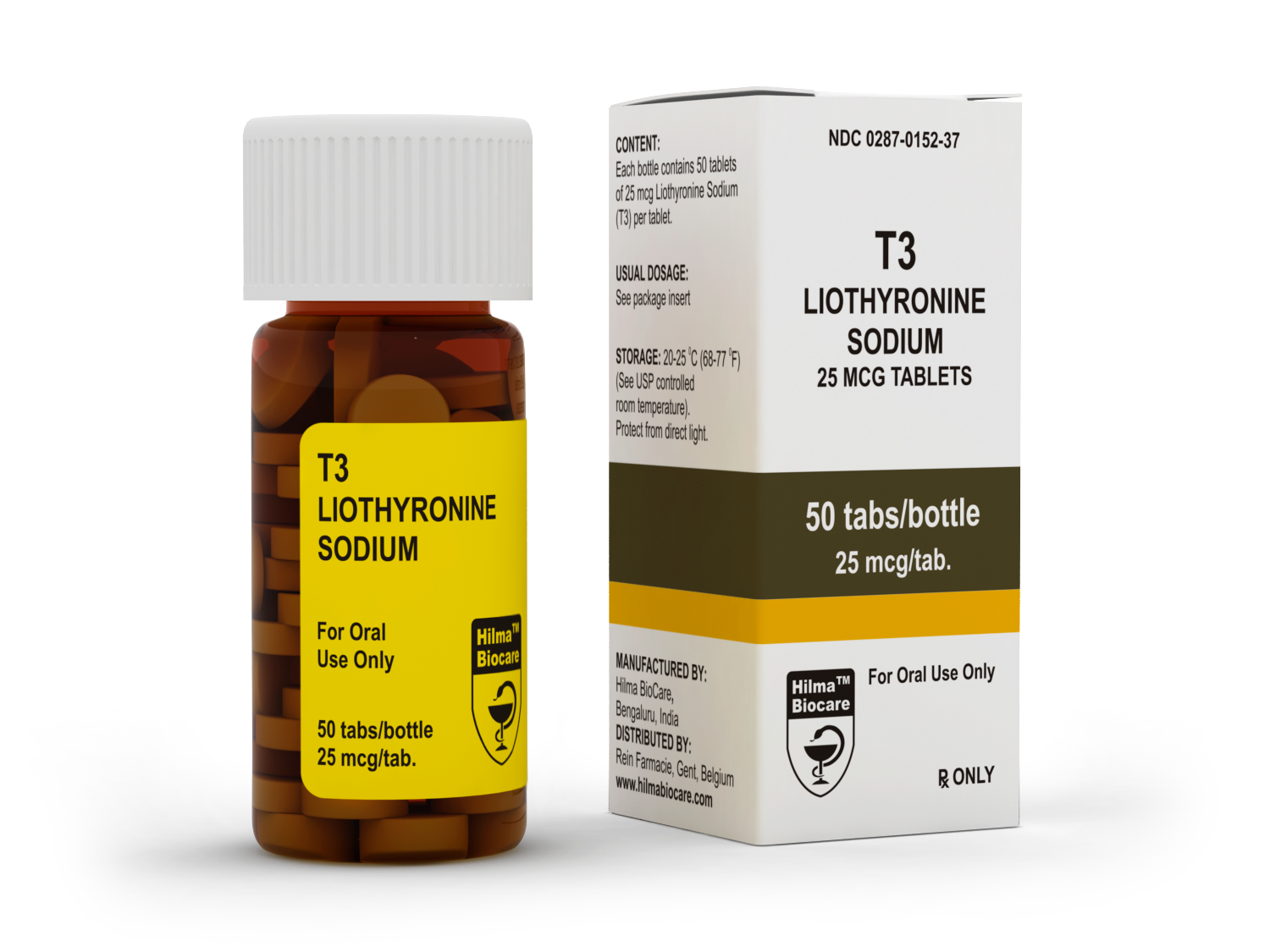
Liothyronine is a synthetic thyroid hormone crucial for metabolism regulation. It’s prescribed for hypothyroidism, an underactive thyroid condition. By supplementing hormone levels, it restores metabolic functions, alleviating fatigue and weight gain. Dosages are based on thyroid tests, and careful management is vital to avoid hyperthyroidism symptoms.

Select Wishlist

    Left Menu Icon
    Your Cart