How MOTS-c and C-Peptide Work Together for Metabolic Health

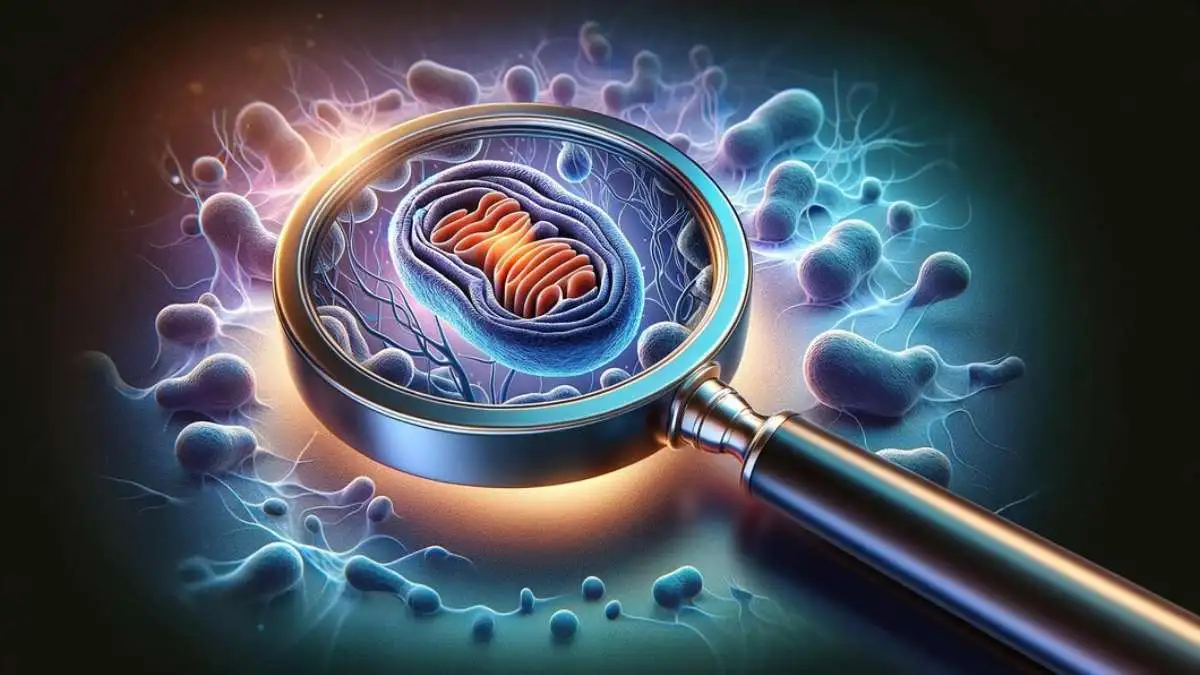
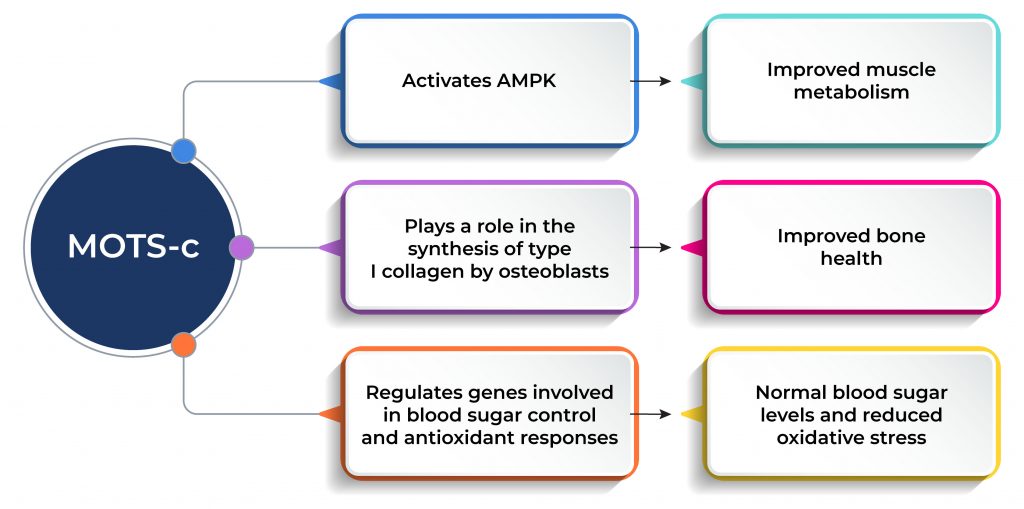
MOTS C peptide, derived from mitochondrial DNA, influences metabolism and enhances cellular stress response. It regulates insulin sensitivity and glucose metabolism, boosting energy utilization. This makes it valuable in fitness, potentially increasing endurance and aiding weight management by reducing fat accumulation. Its anti-aging and diabetes benefits underline its broad health implications.

How Core Peptides are Revolutionizing Biomedicine

Peptides are gaining attention for enhancing physiological processes. Core peptides, in particular, are vital for muscle growth and recovery. These short amino acid chains regulate hormones and protein synthesis, efficiently targeting specific receptors. Their benefits include muscle hypertrophy, anti-aging effects, and enhanced immunity, making them popular with athletes and in skincare products. Beyond performance, they’re being explored for therapeutic uses such as treating metabolic disorders and hormone deficiencies, offering promising medical applications.
Hexarelin: Benefits and Risks of This Powerful Peptide

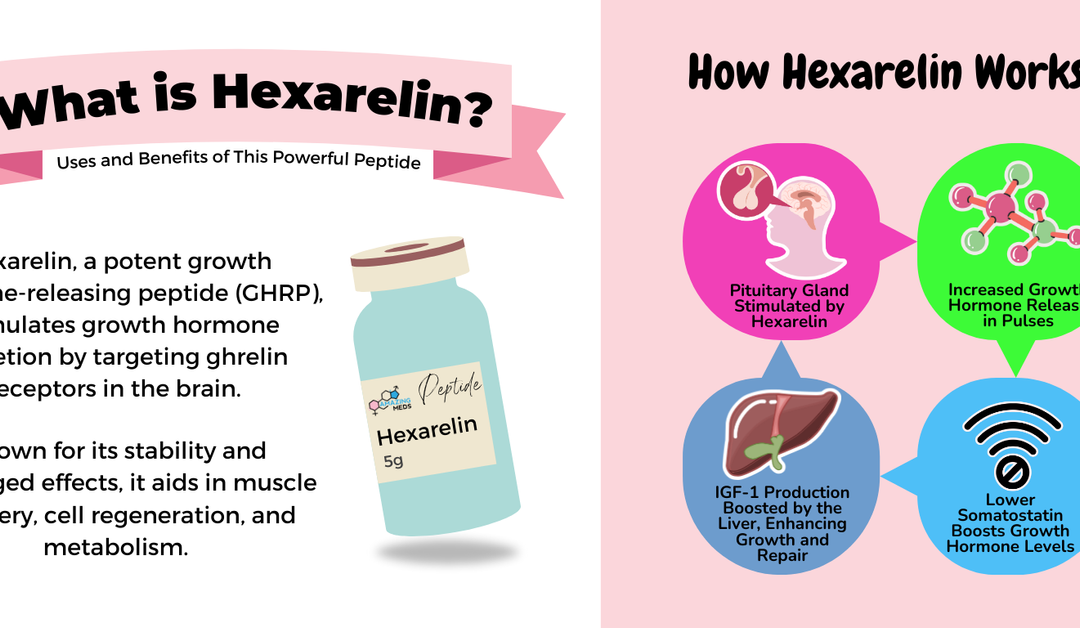
Hexarelin, a synthetic growth hormone-releasing peptide, stimulates growth hormone release by binding to pituitary receptors. Known for enhancing muscle growth, fat loss, and recovery, it is popular among bodybuilders. It may also offer cardiovascular benefits, but its use is primarily experimental and requires cautious application under medical supervision.

Unlocking Deep Rest: The Science Behind Delta Sleep Peptide

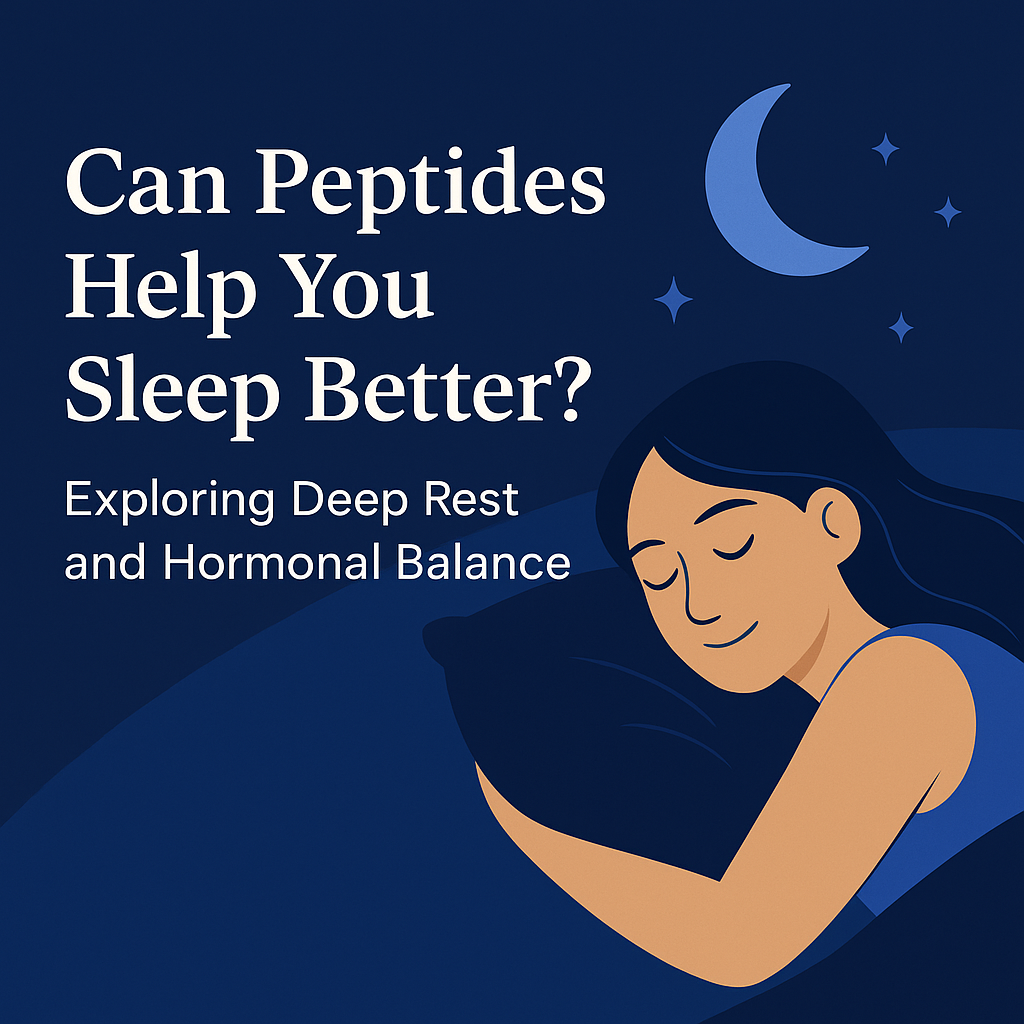
Sleep is crucial for health, and delta sleep peptide (DSP) plays a key role in enhancing deep sleep. Discovered in the 1970s, DSP helps promote the delta phase, vital for recovery and cognitive functions. It regulates the sleep-wake cycle, improving rest. Studies highlight its benefits in sleep quality, recovery, and stress reduction. DSP interacts with brain receptors to maintain deep sleep, making it a potential therapy for sleep disorders. Research is ongoing to fully understand its effects and applications.

SS 31 Peptide: A Breakthrough in Mitochondrial Therapy

SS 31 peptide, known as Bendavia or MTP-131, is a breakthrough in mitochondrial-targeted therapeutics, designed to mitigate oxidative stress and maintain mitochondrial function. By binding to cardiolipin in the inner mitochondrial membrane, it stabilizes mitochondria, reducing reactive oxygen species and preventing dysfunction. This offers potential treatments for neurodegenerative diseases, heart conditions, and muscle disorders. Ongoing research highlights its promise in addressing various conditions linked to mitochondrial health, positioning SS 31 as a significant therapeutic advancement.

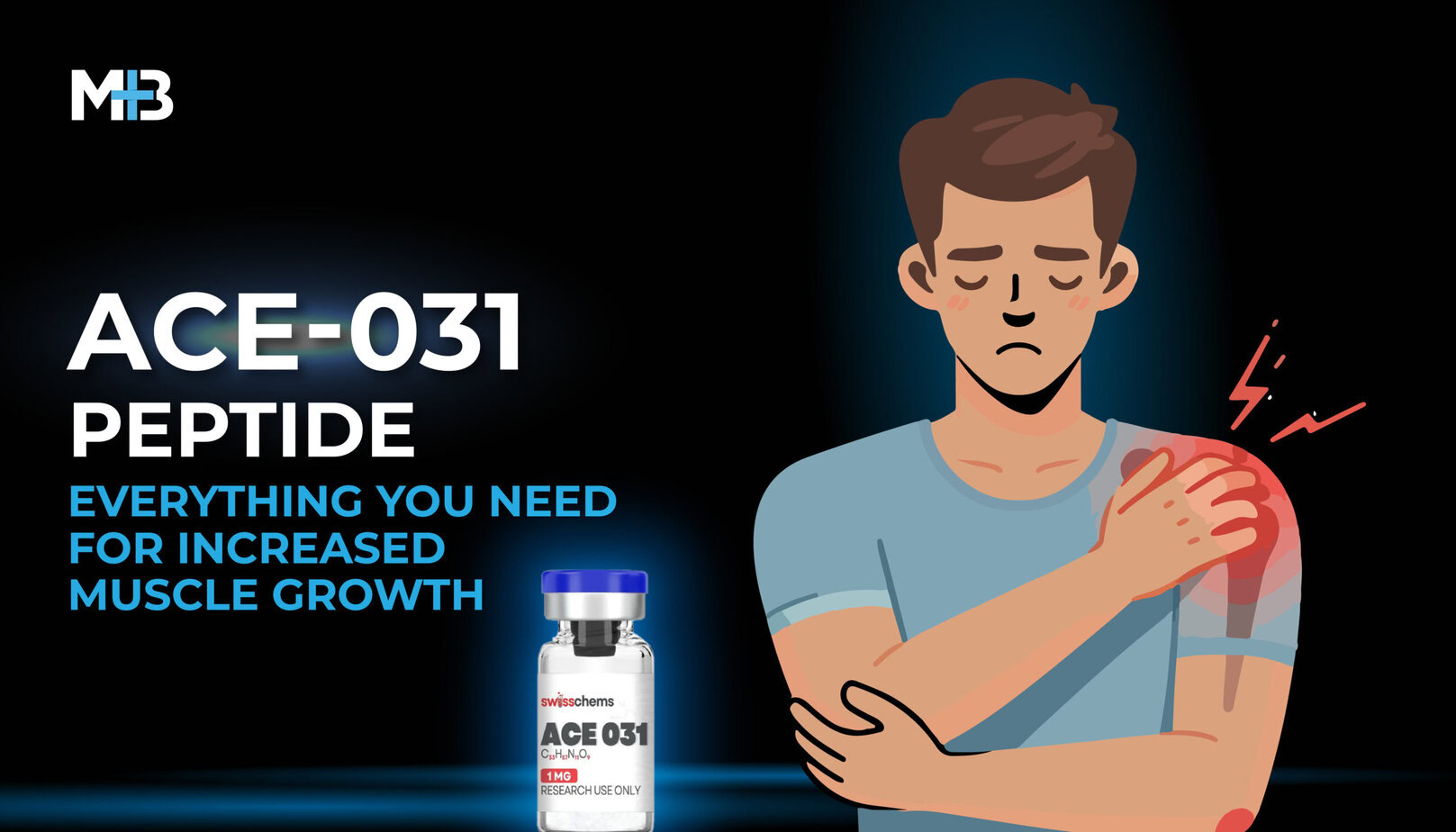
ACE-031 Peptide: Breakthrough in Muscle Growth

ACE-031, a myostatin inhibitor peptide, has drawn interest for muscle growth and treating muscle-wasting conditions. As a soluble form of the activin receptor type IIB, it binds to myostatin, inhibiting its muscle-limiting effects. This leads to increased muscle mass and strength, critical in fields like muscular dystrophy. Despite its promise, ACE-031’s clinical development is challenged by safety concerns, and it remains unapproved for human use. Research persists to explore its therapeutic potential.

ABP-7 Peptide: Revolutionizing Drug Delivery Systems

ABP-7 Peptide is a groundbreaking compound attracting interest for muscle growth, recovery, and performance enhancement. It enhances muscle recovery and promotes lean muscle mass by stimulating cellular activities to repair tissue and reduce inflammation. Studies suggest it provides a safer alternative to steroids by enhancing natural physiological pathways. As research continues, ABP-7 may become a staple in fitness regimes, with ongoing studies exploring its full potential.

Humanin Peptide: Unlocking New Avenues in Cellular Protection

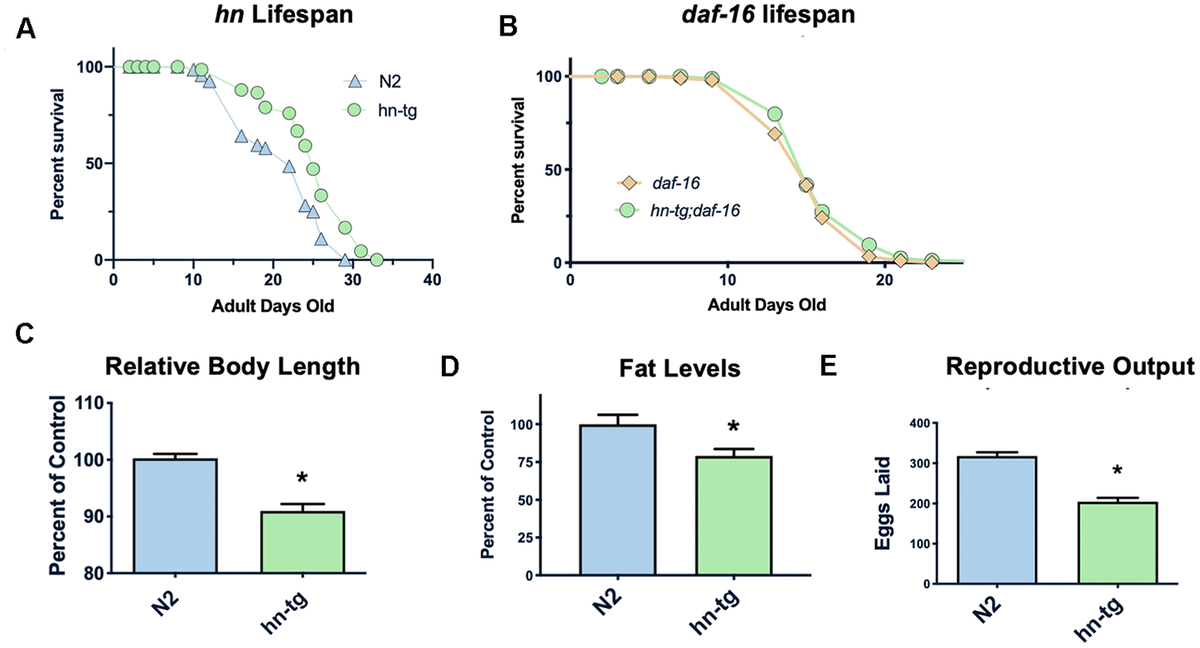
Humanin Peptide, a mitochondrial-derived peptide, is gaining attention for its therapeutic potential. Notably neuroprotective, it may aid in treating Alzheimer’s and other neurodegenerative diseases by reducing cell death. Additionally, it enhances insulin sensitivity, impacting type 2 diabetes management. With roles in cardiovascular protection and reducing oxidative stress, Humanin Peptide is a promising agent in metabolic and cellular health research.

The Power of NAD+ Peptides: Cellular Energy and Longevity

In the world of health and wellness, NAD peptide is gaining attention for its potential to enhance cell health and longevity. This compound, involved in energy metabolism and DNA repair, is seen as beneficial for reducing age-related diseases by improving cellular function. Initial studies suggest promising benefits in anti-aging, neuroprotection, and athletic performance, though further research is needed to understand its effects on humans.

The Role of Delta Sleep-Inducing Peptide in Restful Nights

Delta Sleep-Inducing Peptide (DSIP) is a neuropeptide associated with promoting deep sleep stages and reducing stress. Discovered in the 1970s, DSIP influences various physiological functions, including hormone release and thermoregulation. It holds potential for treating sleep disorders and stress-related conditions, with ongoing research needed to fully understand its mechanisms and clinical efficacy.

The Mystery: How Delta Sleep-Inducing Peptide Enhances Rest

Delta Sleep-Inducing Peptide (DSIP) is a neuropeptide found in the brain, known for its role in sleep regulation and potential therapeutic benefits. Discovered in the 1970s, DSIP is believed to promote restorative sleep, affect stress management, and modulate pain. Researchers are exploring its use in treating sleep disorders and anxiety-related conditions. Despite ongoing investigations, DSIP’s exact mechanisms are not fully understood, but its potential applications in holistic wellness and clinical settings make it a fascinating subject for sleep scientists and clinicians.

The Science Behind Dipeptides: Unlocking Nature’s Building Blocks

Dipeptides are formed by the condensation of two amino acids linked by a peptide bond, releasing a water molecule. They are fundamental in protein synthesis and biochemical processes. Acting independently, dipeptides are crucial in metabolism, nutrition, and medicine, influencing enzyme activity and signaling pathways. Studying them offers insights into protein structures and functions.

Revolutionizing Skincare: The Benefits of KPV Peptide

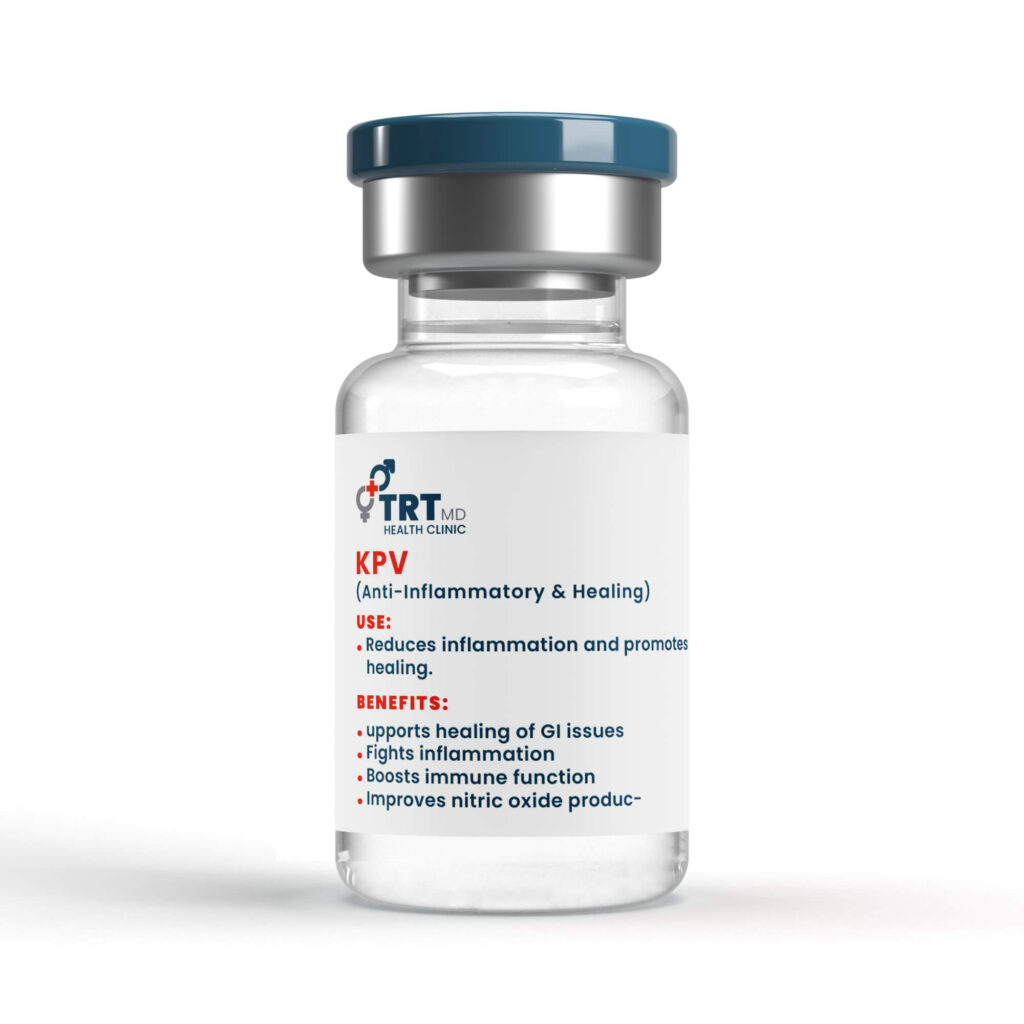
The KPV peptide, comprised of lysine, proline, and valine, is renowned for its anti-inflammatory and wound-healing properties. This tripeptide modulates immune responses, aiding in conditions like inflammatory bowel disease and psoriasis. Its small size facilitates cellular penetration, enhancing bioavailability, making it promising for managing inflammatory and autoimmune disorders. Additionally, it supports skin healing by reducing inflammation and promoting cell regeneration. Ongoing research continues to explore its potential applications in wider healthcare settings.

SS-31 Peptide: A Breakthrough in Mitochondrial Medicine

SS 31 peptide, also known as elamipretide, targets mitochondria to combat dysfunction by stabilizing cardiolipin on the inner membrane. This peptide boosts electron transport and curtails reactive oxygen species, enhancing energy production and reducing oxidative stress. It’s being studied for treating mitochondrial-related diseases like cardiovascular and neurodegenerative disorders.

Understanding the Basics: What is the Monomer of Protein?

Proteins are crucial components of all living organisms, vital for numerous cellular processes. They are composed of amino acids, the basic monomers of proteins. These organic compounds have unique structures that determine their roles in building proteins. Amino acids link through peptide bonds, forming polypeptides, which subsequently fold into intricate 3D structures. This structural complexity enables proteins to perform diverse functions—acting as enzymes, transporting molecules, and much more—underpinning the molecular architecture of life. Understanding amino acids deepens insights into biology, biochemistry, and broader scientific applications.

Unpacking GHRP-2: A Growth Hormone-Releasing Peptide

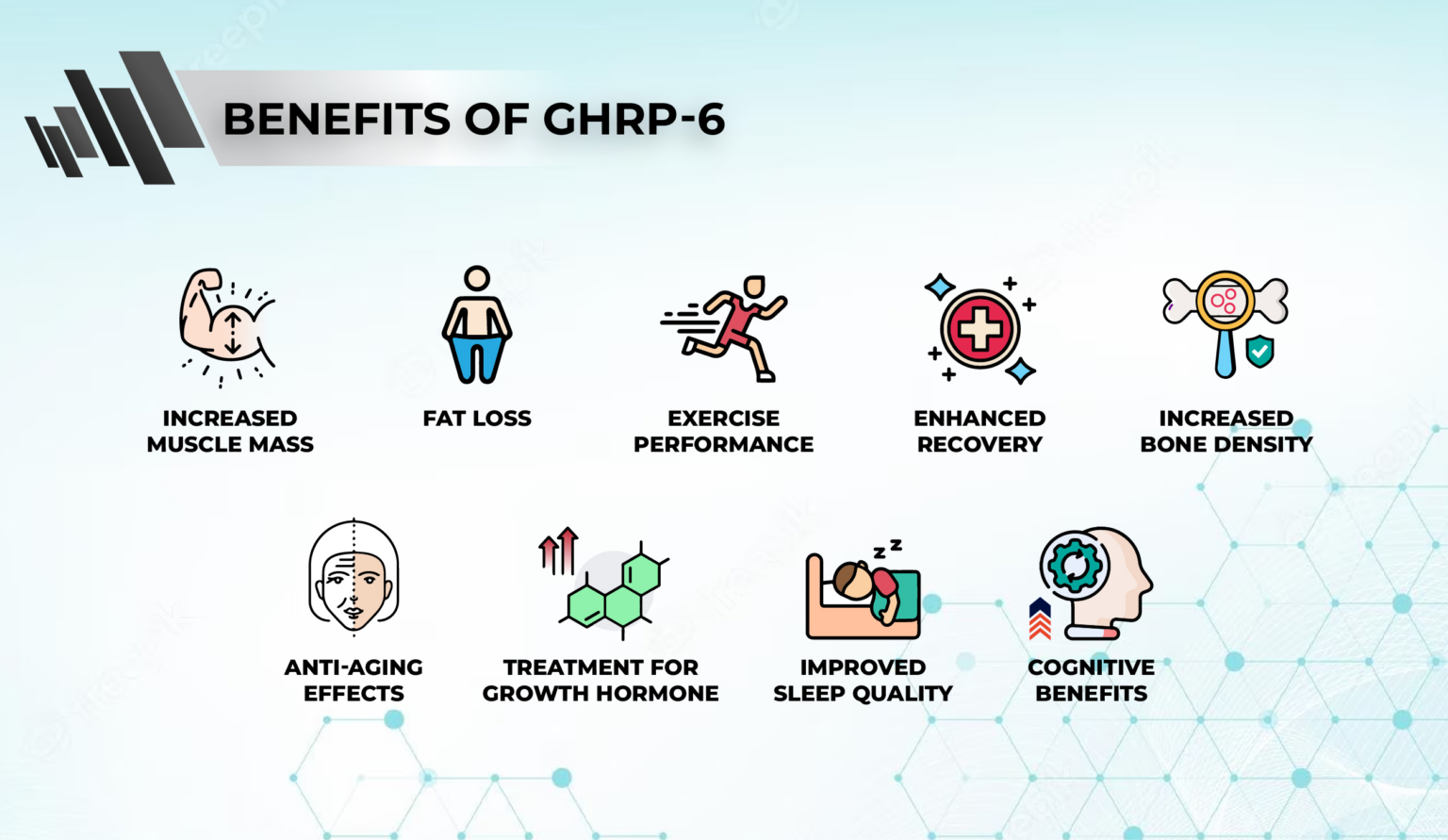
Growth Hormone Releasing Peptide 2 (GHRP-2) is a synthetic peptide that stimulates growth hormone secretion. As a member of growth hormone secretagogues, it’s mainly used in scientific and clinical research to study its effects on growth hormone levels, metabolism, and more. By targeting the ghrelin receptor, GHRP-2 facilitates endogenous growth hormone release, potentially boosting lean muscle mass and body composition. Despite promising outcomes in regenerative medicine and aging therapies, it requires careful monitoring due to side effects like increased hunger and altered insulin sensitivity.

Thymosin Beta 4: Wound Healing and Tissue Repair

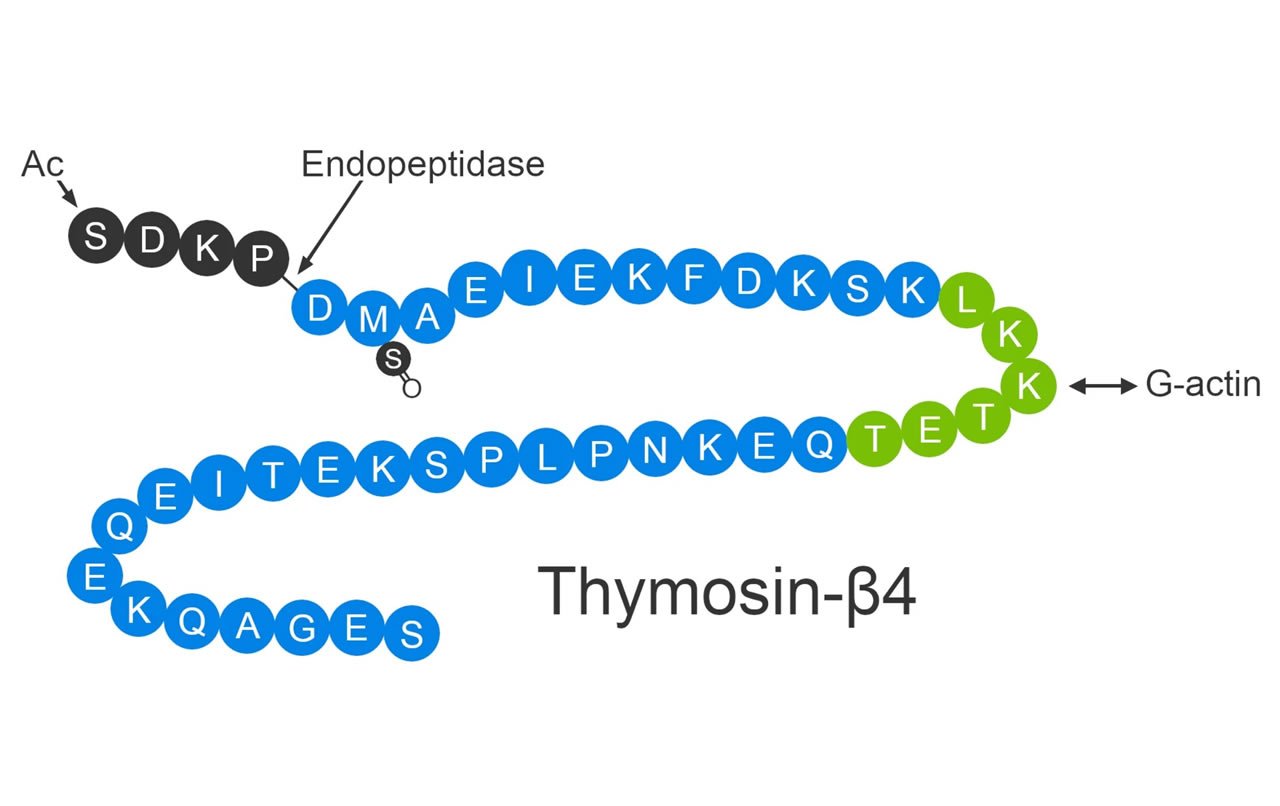
Thymosin Beta 4, a naturally occurring peptide, plays a vital role in cellular repair and regeneration across human and animal tissues. Composed of 43 amino acids, it regulates actin polymerization, essential for cell movement and structure. Known for accelerating wound healing and its anti-inflammatory effects, it holds therapeutic potential in cardiology, neurology, and ophthalmology by mobilizing progenitor cells and aiding tissue repair. As researchers explore its wide-ranging biological activities, its application in regenerative medicine continues to expand, targeting heart and corneal injuries among other conditions.

B7 33 Peptide: A Breakthrough in Cardiovascular Treatment?

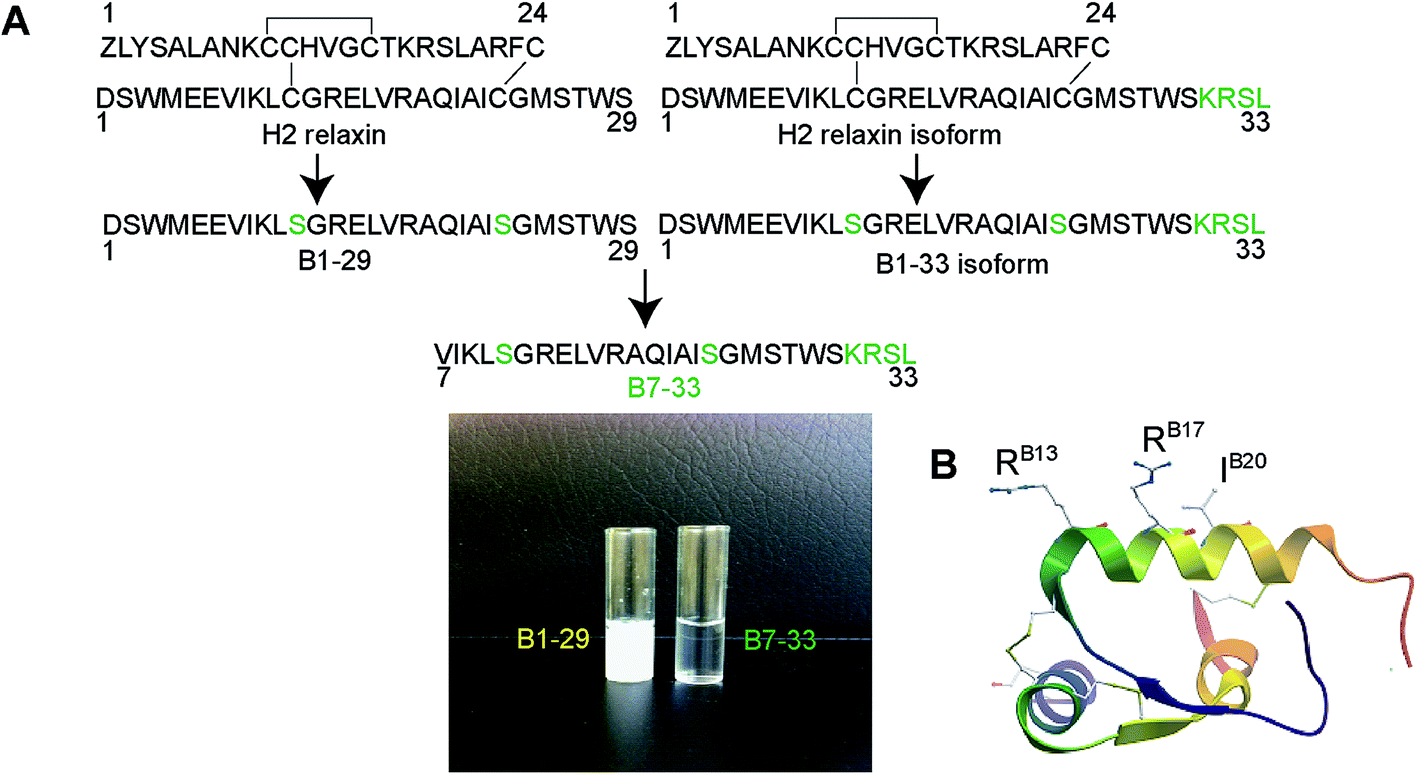
The world of biomedicine is continually advancing, with the B7 33 peptide garnering attention for its therapeutic potential. Recognized for its cardioprotective and anti-fibrotic properties, B7 33 is derived from the human CD28 protein and acts as an agonist for specific receptors. Its promising applications include reducing fibrosis and protecting heart health, although challenges such as optimizing delivery and understanding pharmacodynamics remain.

Select Wishlist

Cart Menu Button Image1Left Menu Icon
Your Cart