Unpacking GHRP-2: A Growth Hormone-Releasing Peptide

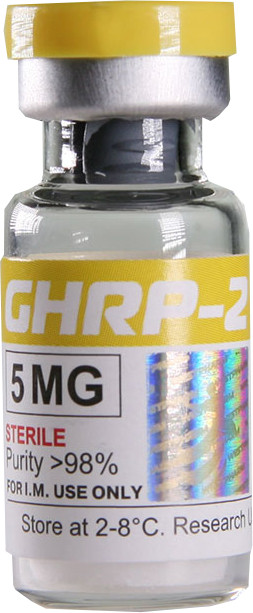
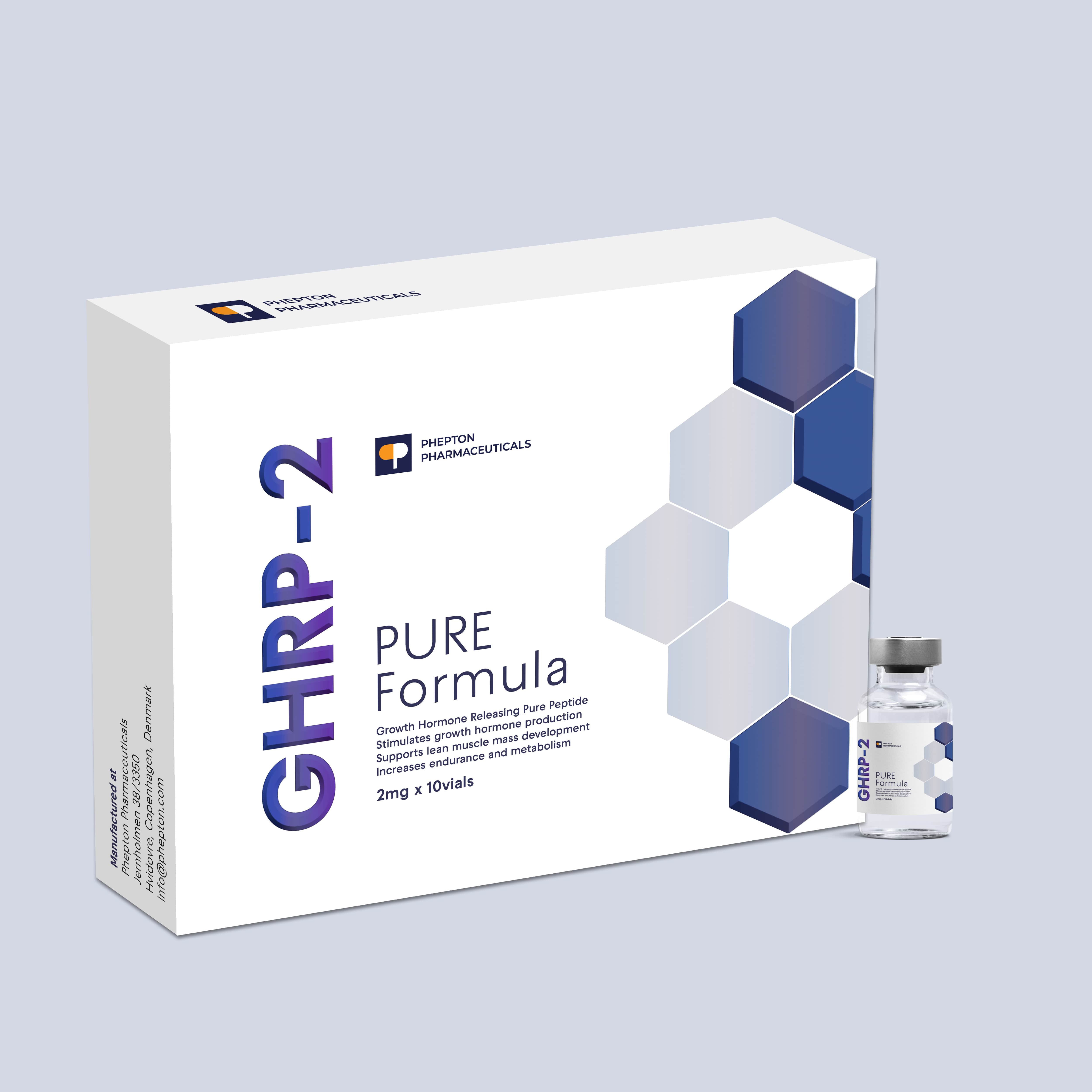
Growth Hormone Releasing Peptide 2 (GHRP-2) is a synthetic peptide that stimulates growth hormone secretion. As a member of growth hormone secretagogues, it’s mainly used in scientific and clinical research to study its effects on growth hormone levels, metabolism, and more. By targeting the ghrelin receptor, GHRP-2 facilitates endogenous growth hormone release, potentially boosting lean muscle mass and body composition. Despite promising outcomes in regenerative medicine and aging therapies, it requires careful monitoring due to side effects like increased hunger and altered insulin sensitivity.

Thymosin Beta 4: Wound Healing and Tissue Repair

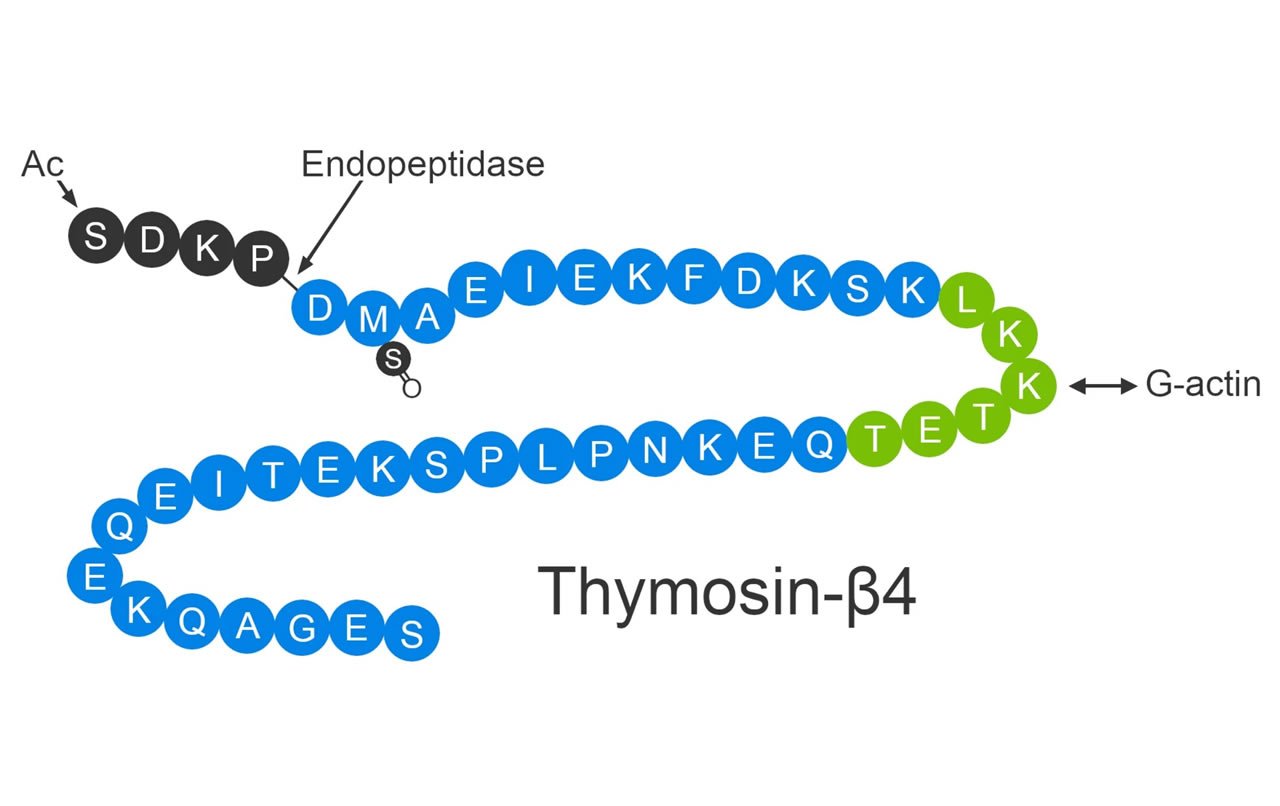
Thymosin Beta 4, a naturally occurring peptide, plays a vital role in cellular repair and regeneration across human and animal tissues. Composed of 43 amino acids, it regulates actin polymerization, essential for cell movement and structure. Known for accelerating wound healing and its anti-inflammatory effects, it holds therapeutic potential in cardiology, neurology, and ophthalmology by mobilizing progenitor cells and aiding tissue repair. As researchers explore its wide-ranging biological activities, its application in regenerative medicine continues to expand, targeting heart and corneal injuries among other conditions.

B7 33 Peptide: A Breakthrough in Cardiovascular Treatment?

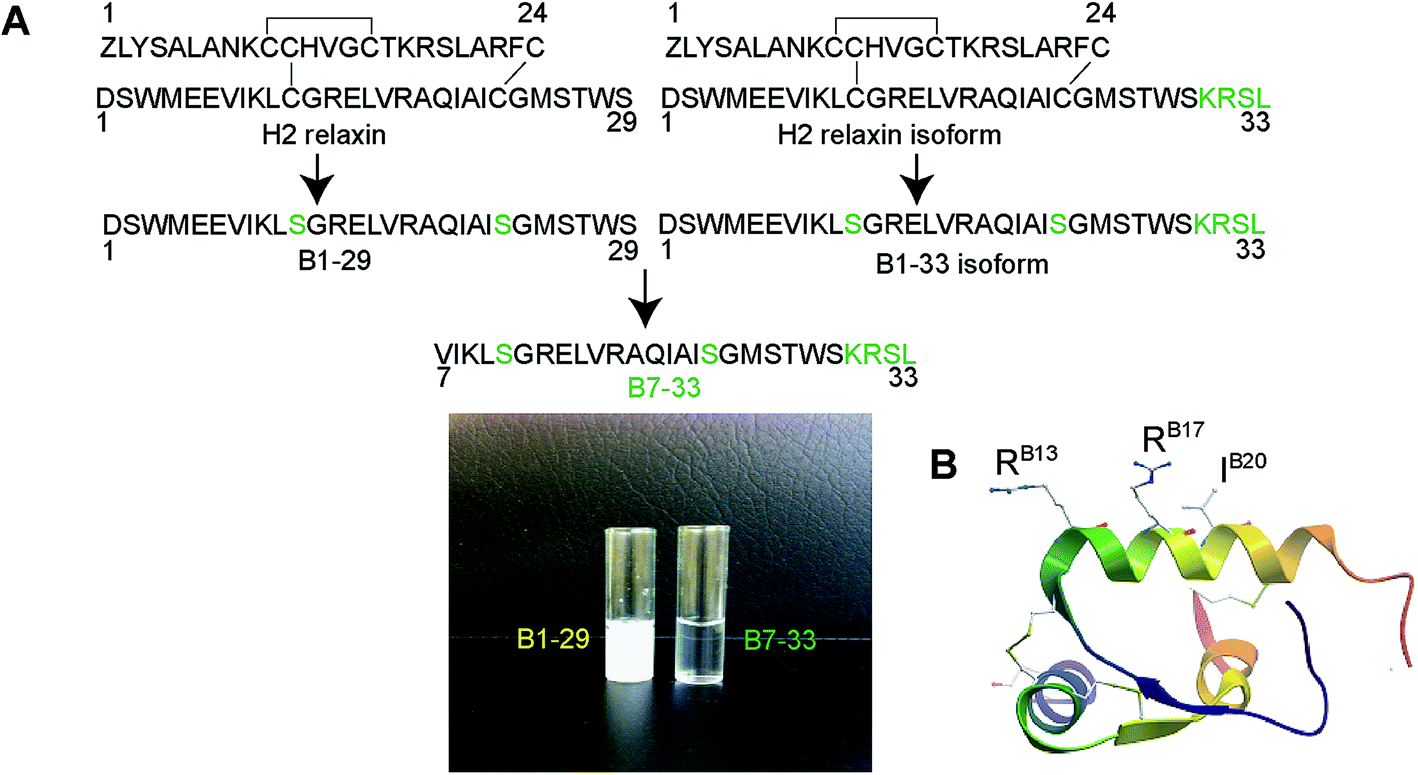
The world of biomedicine is continually advancing, with the B7 33 peptide garnering attention for its therapeutic potential. Recognized for its cardioprotective and anti-fibrotic properties, B7 33 is derived from the human CD28 protein and acts as an agonist for specific receptors. Its promising applications include reducing fibrosis and protecting heart health, although challenges such as optimizing delivery and understanding pharmacodynamics remain.

Ta1 Peptide: A New Frontier in Immune System Modulation

The Ta1 peptide, also known as Thymosin Alpha-1, is a naturally occurring polypeptide integral to modulating the immune system. Comprising 28 amino acids and derived from prothymosin alpha, it influences T-cell maturation and differentiation, crucial to adaptive immunity. Its immunomodulatory properties are being explored in treating viral infections, autoimmune disorders, and cancer. By enhancing immune cell functions like dendritic cells and lymphocytes, Ta1 improves pathogen recognition, with ongoing clinical trials exploring its therapeutic potential.

N-Acetyl Selank: The Emerging Peptide for Cognitive Enhancement

N-Acetyl Selank is a peptide derived from the synthetic Selank, an anxiolytic heptapeptide developed in Russia. Known for its potential cognitive and anxiolytic benefits, it aims to enhance brain functions and reduce anxiety without typical side effects. It modulates neurotransmitters like serotonin and dopamine, crucial for mood and cognition, and offers potential immune support. Ongoing research seeks to further clarify its therapeutic potential, with early studies indicating it is well-tolerated while promising in treating anxiety and cognitive decline.

How P21 Peptide is Revolutionizing Anti-Aging Research

The P21 peptide, derived from the CDK inhibitor p21, is vital in cell cycle regulation, particularly in inhibiting cyclin-dependent kinases. It has therapeutic potential in oncology and regenerative medicine, offering avenues for cancer treatment by inducing apoptosis in cancer cells and enhancing tissue repair by controlling cell growth and differentiation.

Unlocking the Potential of AICAR Peptide: Revolutionary!

Aicar, or 5-aminoimidazole-4-carboxamide ribonucleotide, is a peptide with potential therapeutic and performance-enhancing qualities. Initially studied for treating metabolic disorders, Aicar activates AMP-activated protein kinase (AMPK), crucial for cellular energy. This activation aids glucose uptake and fatty acid oxidation, useful for type 2 diabetes. Its metabolic benefits attract athletes, but its use is banned in sports by the World Anti-Doping Agency. Despite this, Aicar remains a focus for its impact on energy metabolism and therapeutic prospects.

Argireline 3: The New Age of Anti-Aging Skincare

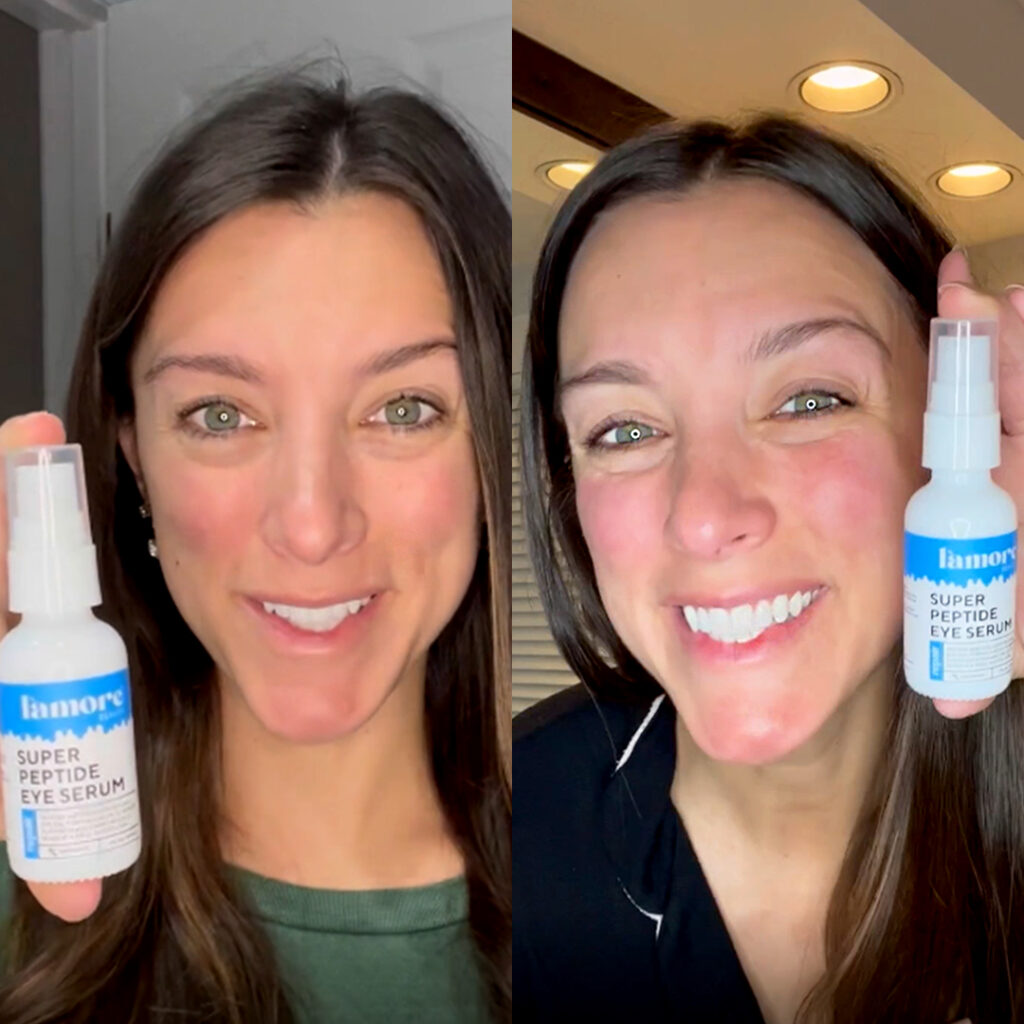
Argireline 3, a standout in skincare, mimics Botox effects through Acetyl Hexapeptide-8. By inhibiting neurotransmitters, it smoothens skin, reducing fine lines prominently on expressive areas like the forehead. As a non-invasive option, it appeals to those seeking youthful skin without injections, offering immediate tightening results for all skin types.

Palmitoyl Tetrapeptide-7: The Anti-Aging Marvel in Your Skincare

Palmitoyl tetrapeptide-7 is a synthetic peptide compound comprising a sequence of four amino acids—glycine, glutamine, proline, and arginine—conjugated to a palmitic acid molecule. This innovative peptide is widely recognized in the skincare industry for its potential anti-inflammatory and anti-aging benefits. By stabilizing and enhancing the longevity of proteins in the skin, palmitoyl tetrapeptide-7 helps reduce fine lines and wrinkles. It modulates the body’s natural response to inflammation by inhibiting interleukin-6 (IL-6) production, associated with skin damage and aging.

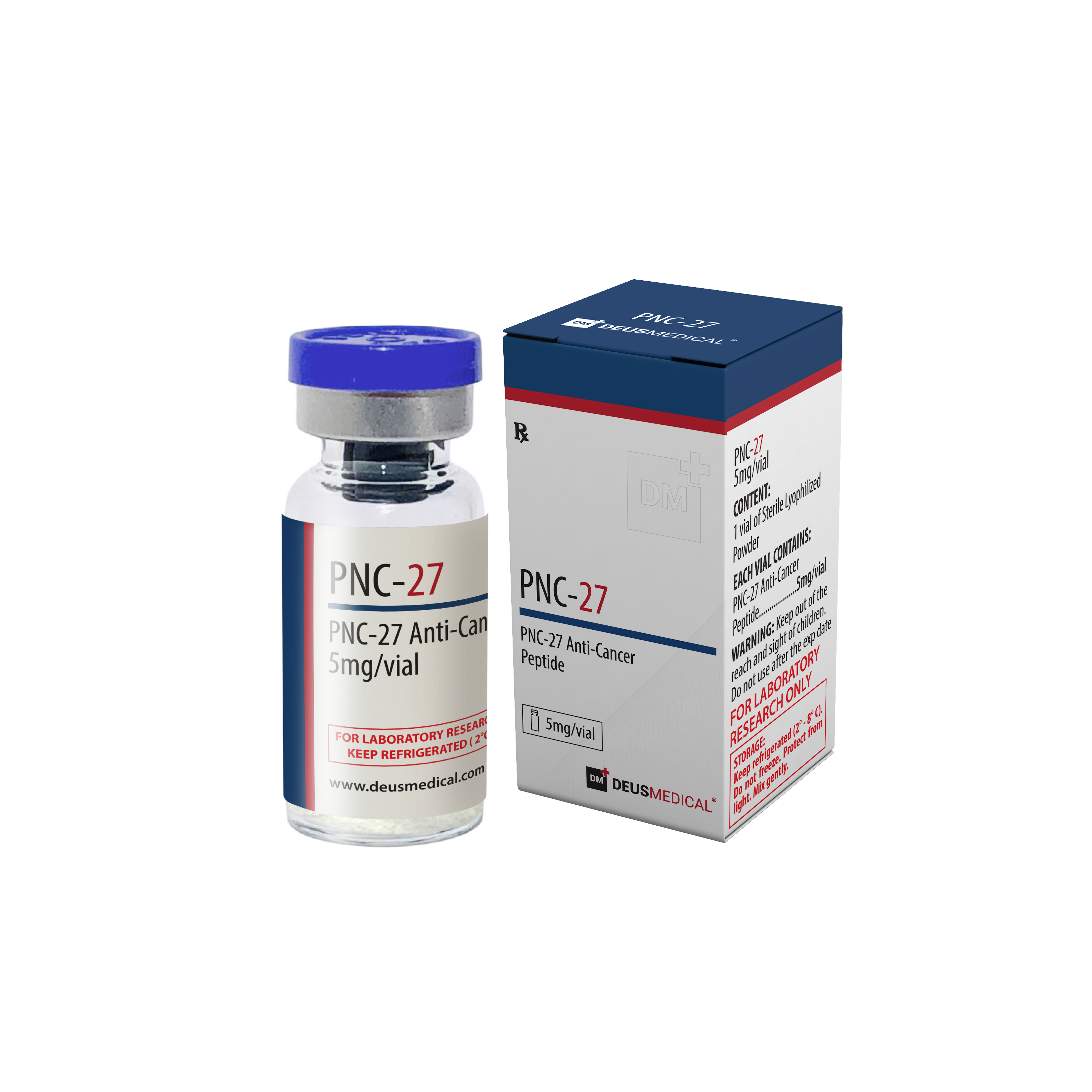
PNC-27 Peptide: A New Frontier in Cancer Treatment?

Pnc 27, a synthetic peptide derived from the p53 protein, targets cancer cells by interacting with the HDM-2 oncoprotein. This binding triggers apoptosis, focusing its effects on malignant cells and minimizing damage to healthy ones. Early studies on various cancers show promising results, although challenges like stability and delivery remain.

AOD-9604: The Peptide Revolutionizing Weight Management

Aod 9604 peptide is a modified fragment of human growth hormone, gaining attention for its potential benefits in fat metabolism and weight management. It isolates the fat-reducing effects without impacting muscle or bone growth. Used in bodybuilding and fitness, it may enhance fat burning without affecting muscle mass and doesn’t increase insulin resistance, offering promising therapeutic solutions for obesity. Extensive research continues to explore its capabilities and limitations, aiming to provide a safer alternative to traditional growth hormone therapies.

General Overview : What is LL-37 peptide

LL-37 is a key antimicrobial peptide in the human immune system, part of the cathelicidin family, derived from hCAP18. Expressed in neutrophils and epithelial cells, it combats infections by neutralizing bacteria, viruses, and fungi. LL-37 also modulates inflammation and aids in wound healing, making it a focus for therapeutic applications.

How PPC-157 is Shaping the Future of Peptide Therapy

PPC157 is a small chain of amino acids, a peptide with versatile applications in influencing biochemical processes. It acts on pathways controlling inflammation, tissue repair, and cellular communication, potentially accelerating recovery from injuries. Its use spans clinical research and therapeutic domains, aiding wound healing and tissue regeneration. While promising, more research is needed to understand its safety and effectiveness fully.

SS 31 Peptide: A Breakthrough in Mitochondrial Research

Ss 31 peptide, or elamipretide, is a tetrapeptide designed to target the inner mitochondrial membrane, stabilizing cardiolipin to enhance mitochondrial function. By improving the electron transport chain and reducing oxidative stress, it bolsters mitochondrial bioenergetics and cell health, showing promise in treating conditions like Barth syndrome and neurodegenerative disorders.

Peptides Emerging as a Promising Treatment for ADHD

Peptides, short chains of amino acids, are being explored as a treatment for ADHD. Research focuses on their ability to modulate neurotransmitter systems, aiding attention and impulse control. Unlike stimulants, peptides offer targeted treatment with fewer side effects. While in early research stages, they may complement or replace conventional treatments, pending further studies on efficacy and safety.

How Modafinil Peptide is Revolutionizing Cognitive Enhancement

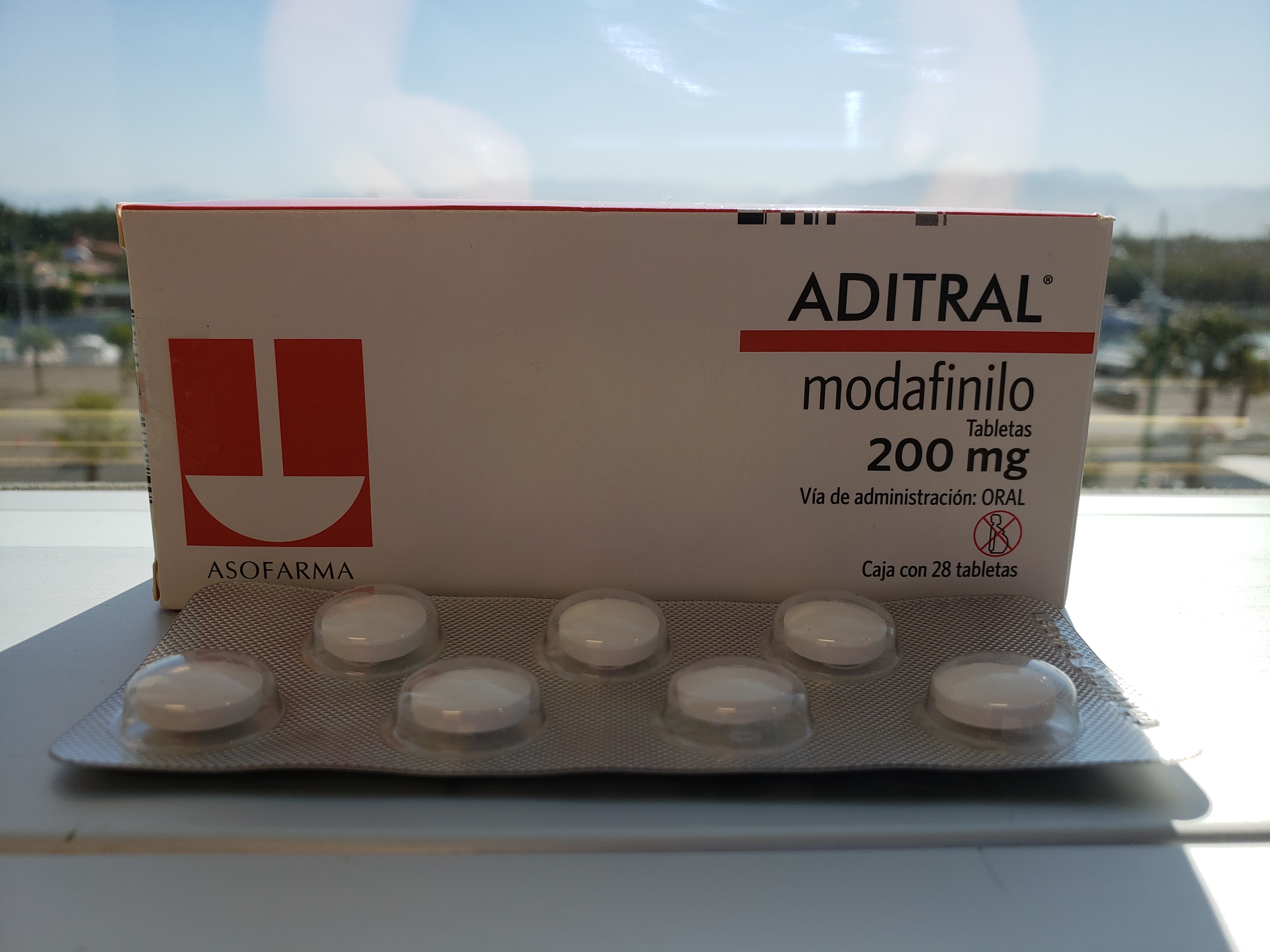
Modafinil peptide is an innovative development in the realm of nootropic substances, building upon the established properties of Modafinil, known for treating sleep disorders. It aims to synthesize the benefits of the original compound more efficiently. Although Modafinil acts as a wakefulness-promoting agent, its peptide derivative may refine interactions or reduce side effects associated with long-term use. However, detailed studies are needed to fully understand its efficacy, safety, and potential applications in cognitive enhancement.

GHRP-2: A Great Growth Hormone Secretagogue

GHRP-2, or Growth Hormone Releasing Peptide-2, is a synthetic peptide that stimulates the secretion of endogenous growth hormone (GH) from the pituitary gland. It influences the hypothalamus and pituitary gland to enhance GH production. While developed to treat growth hormone deficiencies, it’s popular in bodybuilding for muscle growth and recovery.

GHRP-2 | Its Role in Human Growth Hormone Stimulation

GHRP-2, a synthetic hexapeptide, promotes growth hormone (GH) secretion from the pituitary gland, aiding in muscle growth, fat reduction, and recovery enhancement. Acting as a secretagogue, it mimics ghrelin to activate receptors triggering GH release. While beneficial, GHRP-2 is mostly used in research due to regulatory concerns and side effects like water retention and joint pain.

Step-by-Step Guide: Mixing BPC-157 Safely and Effectively

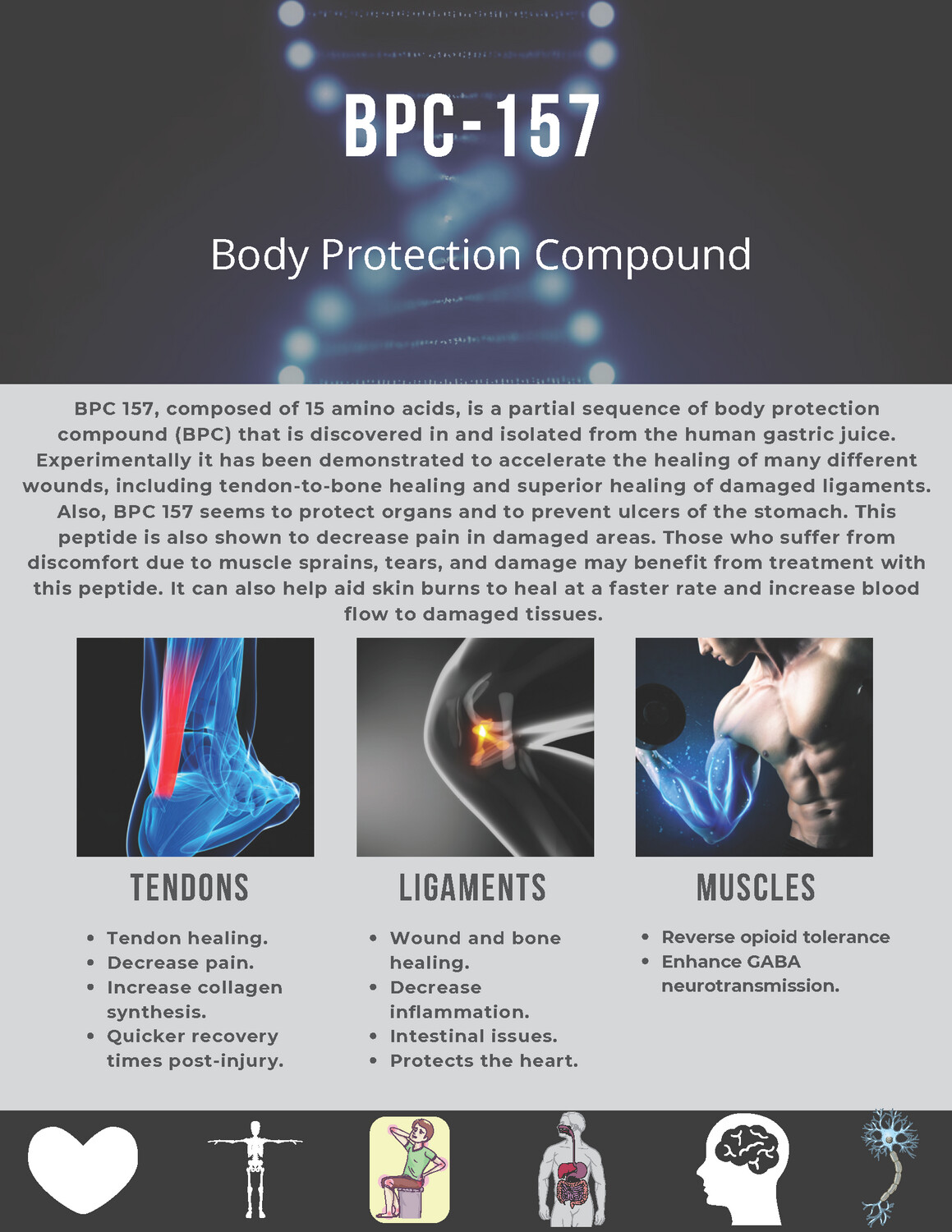
BPC 157, a peptide derived from a protein found in the stomach, is commonly used for various healing purposes. To mix BPC 157, ensure you have all necessary materials: a vial of BPC 157 powder, bacteriostatic water, sterile syringe, and alcohol pads. First, sanitize the vial top with an alcohol pad to prevent contamination. Draw the recommended amount of bacteriostatic water into the syringe, often around 1 to 2 milliliters.

How NAD Peptides Could Revolutionize Anti-Aging

NAD peptide, closely linked to NAD+ supplements, is crucial in cellular metabolism and longevity research. NAD+ is a coenzyme in all cells, essential for energy production, DNA repair, and aging-related processes. As NAD+ levels drop with age, interest in NAD peptides has risen for their potential anti-aging benefits. These peptides may enhance mitochondrial function and cellular repair, possibly extending healthspan. Ongoing research aims to explore their benefits, best delivery methods, and long-term effects, offering new insights into age-related diseases and health improvements.

Revolutionizing Skincare: How Great White Peptide is Changing the Game

Great White Peptide is garnering attention for its role in bodybuilding, attributing potential benefits such as muscle growth and recovery. Composed of bioactive peptides, it enhances athletic performance by rapidly delivering essential amino acids. Advocates highlight its capability to improve muscle strength and speed up recovery, making it appealing to athletes while advising consultation with healthcare professionals for aligned usage.

Somatropin

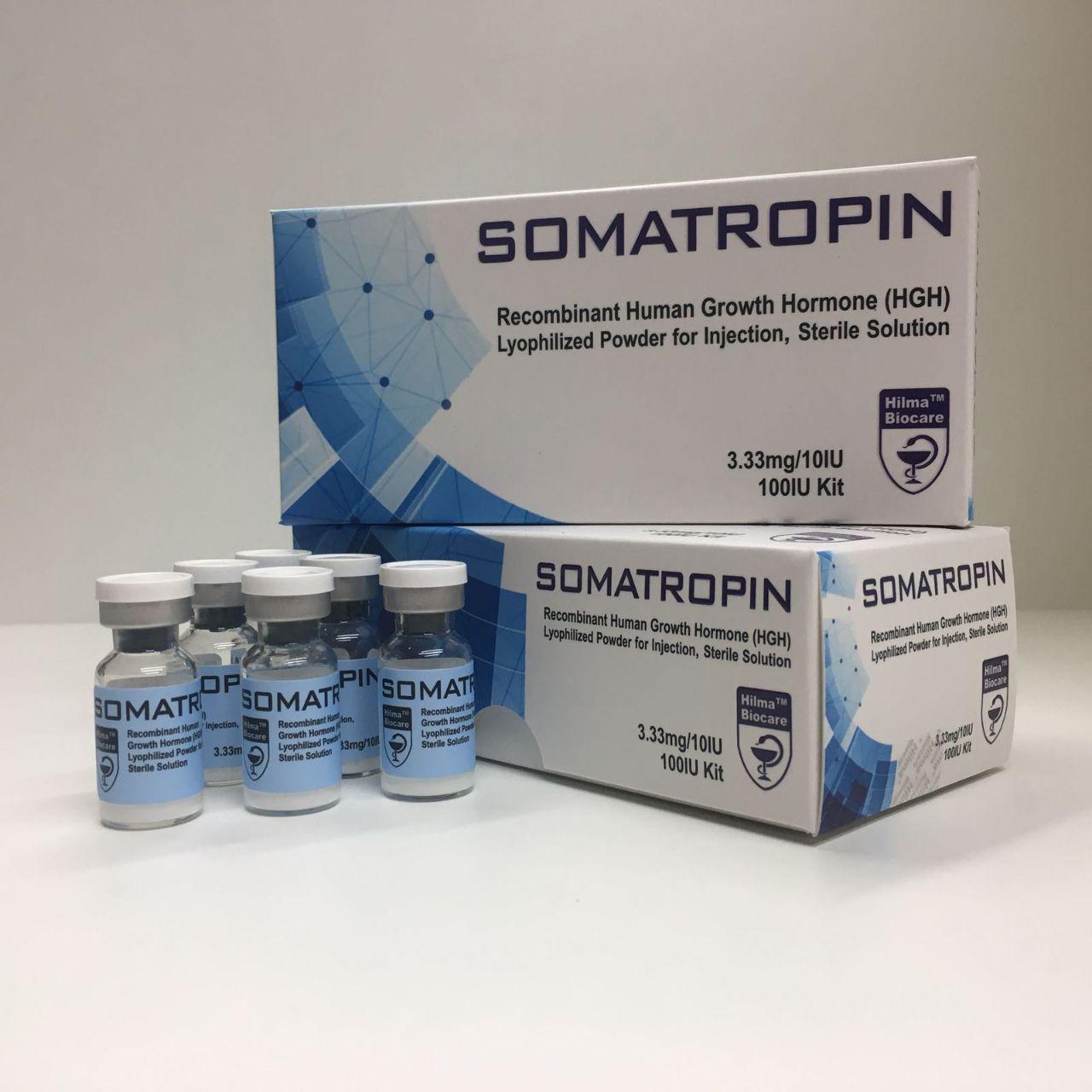
Somatropin, a synthetic form of human growth hormone, is vital in treatments for growth deficiencies and hormonal disorders. Used in children and adults, it addresses conditions like Turner syndrome, chronic kidney disease, and Prader-Willi syndrome by promoting bone and muscle growth. Despite its benefits, potential side effects necessitate careful monitoring.

Semaglutide: Made for Diabetes Management

Semaglutide peptide, a synthetic version of the hormone glucagon-like peptide-1 (GLP-1), is gaining attention not just for managing type 2 diabetes, but also in the fitness world. It aids insulin production and helps with weight management by reducing appetite. Initially developed for diabetes, semaglutide is seen as having diverse applications, though it should be used under medical supervision to avoid adverse effects. Its ability to assist in weight loss and energy improvement makes it of interest to bodybuilders and fitness enthusiasts.

Is peptide science legit

Peptide science is a legitimate and evolving field in biochemistry and pharmaceutical research. Peptides, short chains of amino acids, are crucial in biological processes such as cell signaling and immune responses. This field has led to breakthroughs in drug development, particularly in peptide-based therapeutics for diseases. Despite challenges like peptide stability, ongoing research continues to explore their potential, evidenced by academic publications and biotechnology companies.

iPamorelin

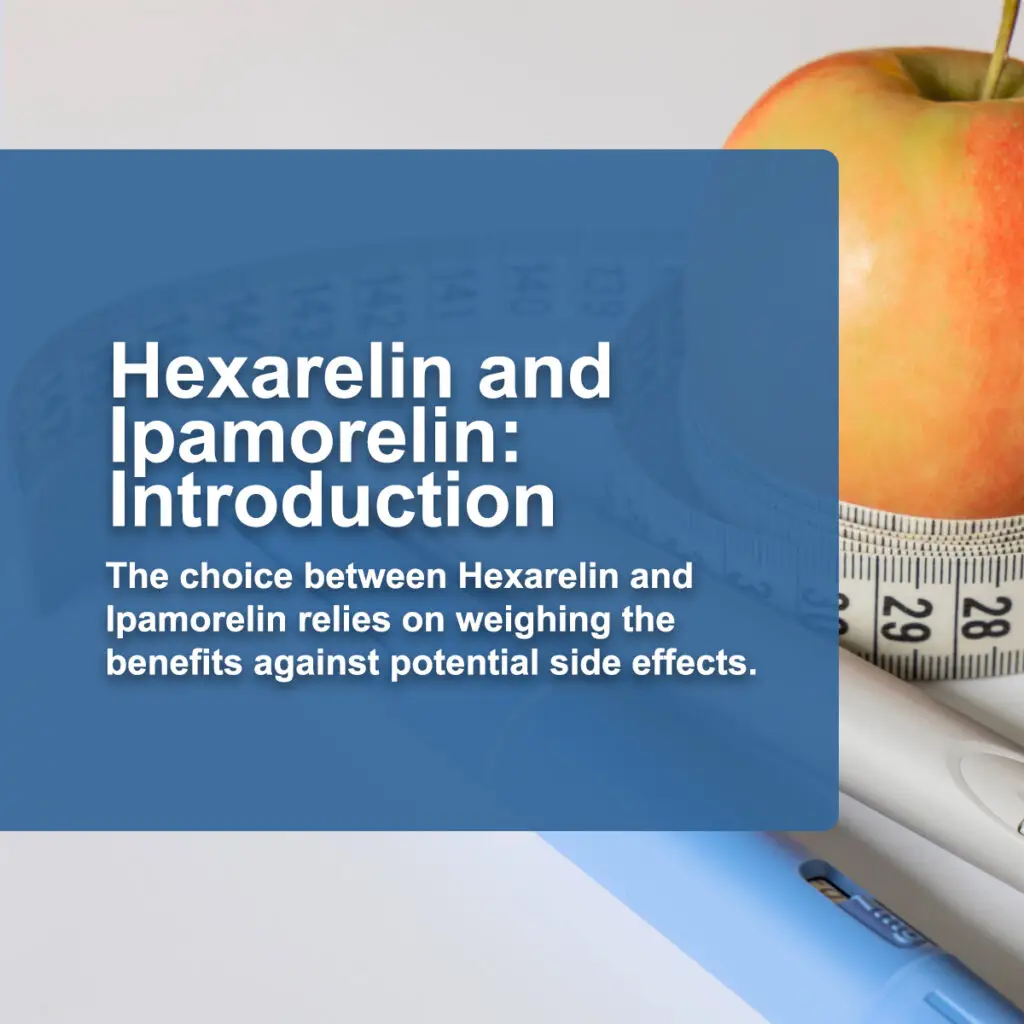
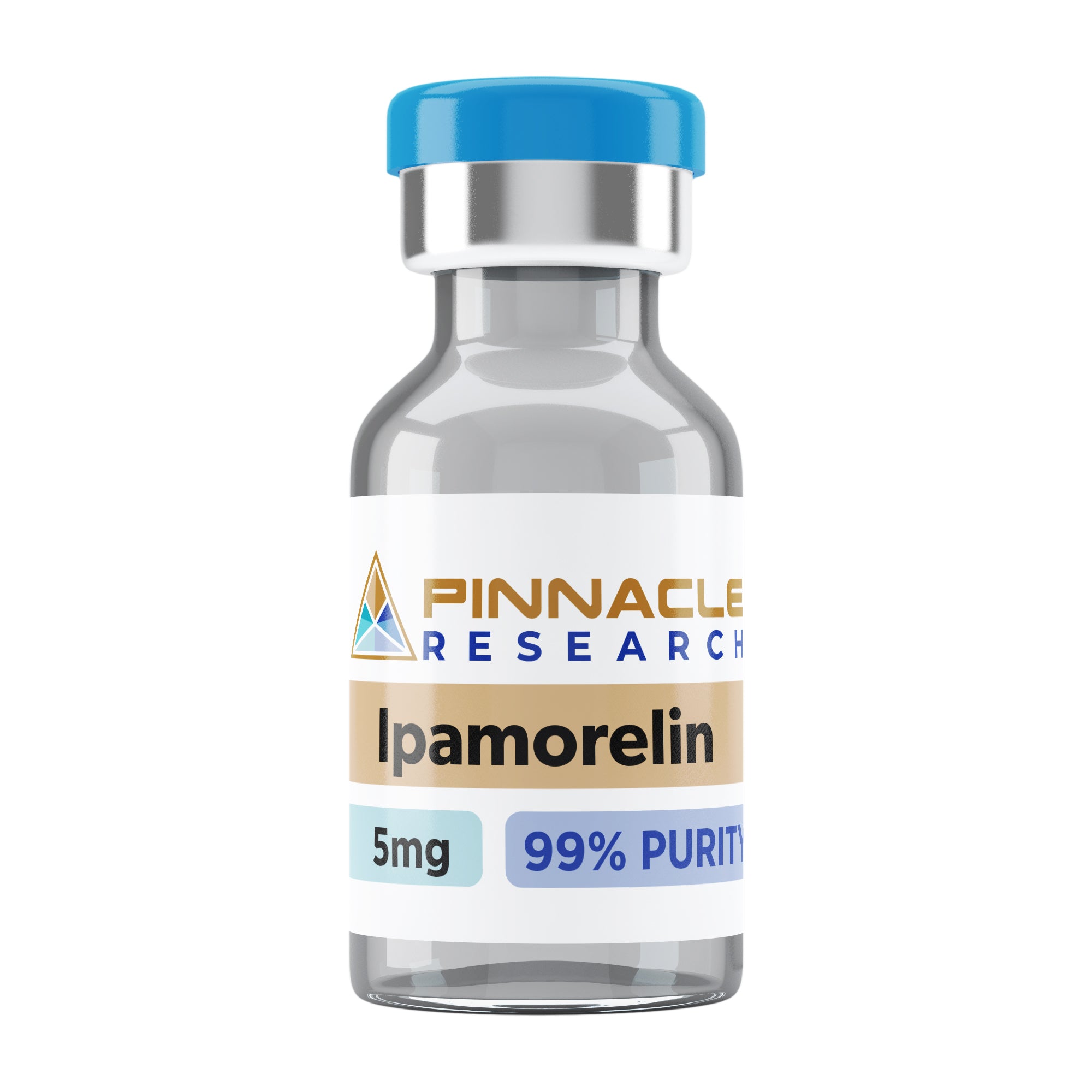
In the dynamic landscape of health and wellness, iPamorelin is gaining attention for its role in skincare, anti-aging, and bodybuilding. As a growth hormone secretagogue, it promotes the release of growth hormone without raising stress-related hormones like cortisol or prolactin, offering safety advantages. This peptide’s popularity is due to its potential benefits, including improved skin elasticity, muscle growth, and fat loss. iPamorelin is a noteworthy option for those seeking enhanced wellbeing while minimizing side effects. Always consult healthcare providers when considering its use as part of a health regimen.

Left Menu Icon