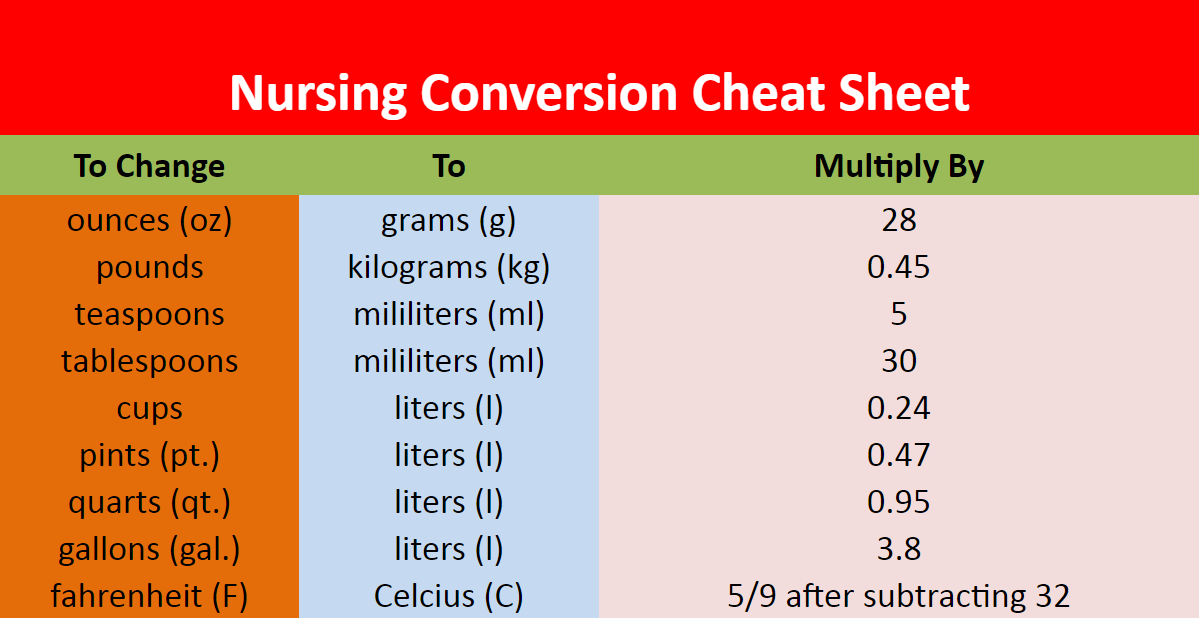
Pounds vs. Kilograms: A Weighty Debate

Weight measurement is crucial in daily life for activities like cooking and research. Pounds, originating from the Roman libra, are mainly used in the US, while kilograms, part of the SI units, are used globally. They’re essential in science and industry. Converting between the two involves multiplying kilograms by 2.20462 or dividing pounds by the same factor.
Milligrams to CC: A Simple Guide for Dosage Conversion

In the context of measurements, converting milligrams (mg) to cubic centimeters (cc) requires understanding the relationship between mass and volume, reliant on the substance’s density. A milligram is a unit of mass, while a cubic centimeter, or milliliter, is a unit of volume. Accurate conversion demands knowledge of the material’s density, influencing practical applications and scientific accuracy.

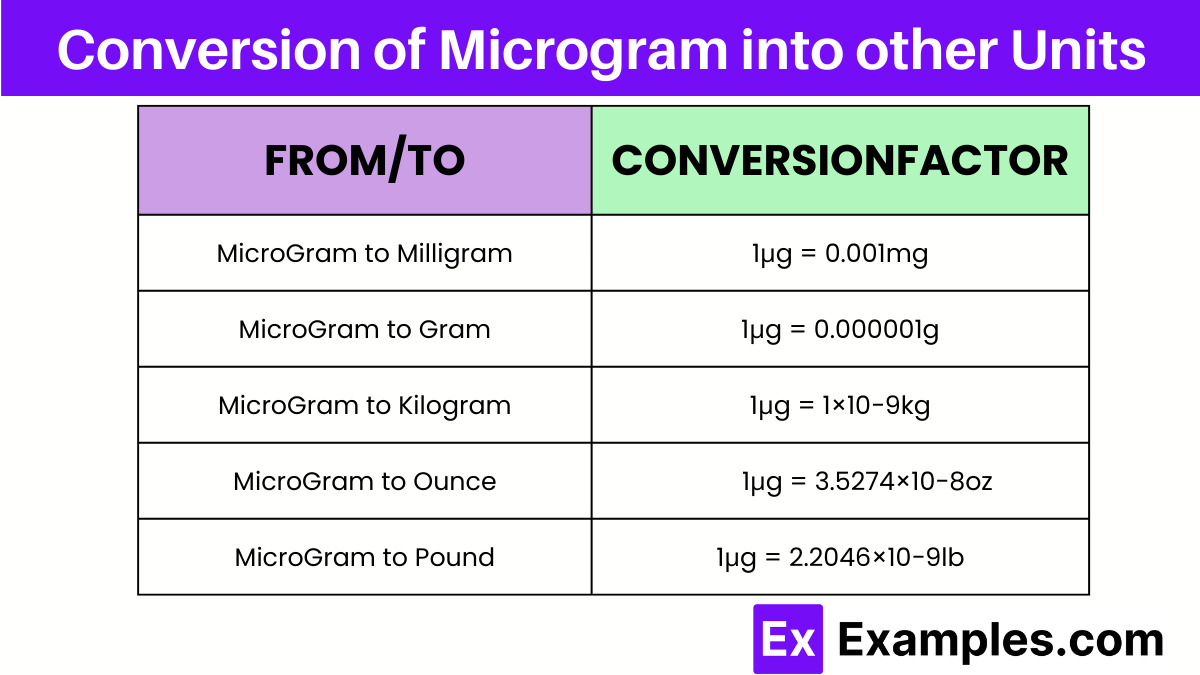
Conversions: How to Convert 300 Micrograms to International Units

In the medical and nutritional fields, precise dosage and conversion calculations are vital for safety and efficacy. A microgram (mcg) is one-millionth of a gram and crucial for expressing dosages of substances like Vitamin B12. Accurate conversion from mcg to units is essential, especially with substances like Vitamin D, where incorrect dosages can result in ineffective treatment or adverse effects. Tools like online calculators help ensure precise conversion, maintaining the intended benefits and safety of medical treatments and supplements.

Semaglutide dose in units

Semaglutide is a GLP-1 receptor agonist used to manage type 2 diabetes and promote weight loss. Correct dosing is crucial for efficacy and safety, starting low and gradually increasing to minimize side effects like nausea. It is typically administered once weekly. Following healthcare providers’ instructions ensures effective results and manages potential side effects.

Left Menu Icon