

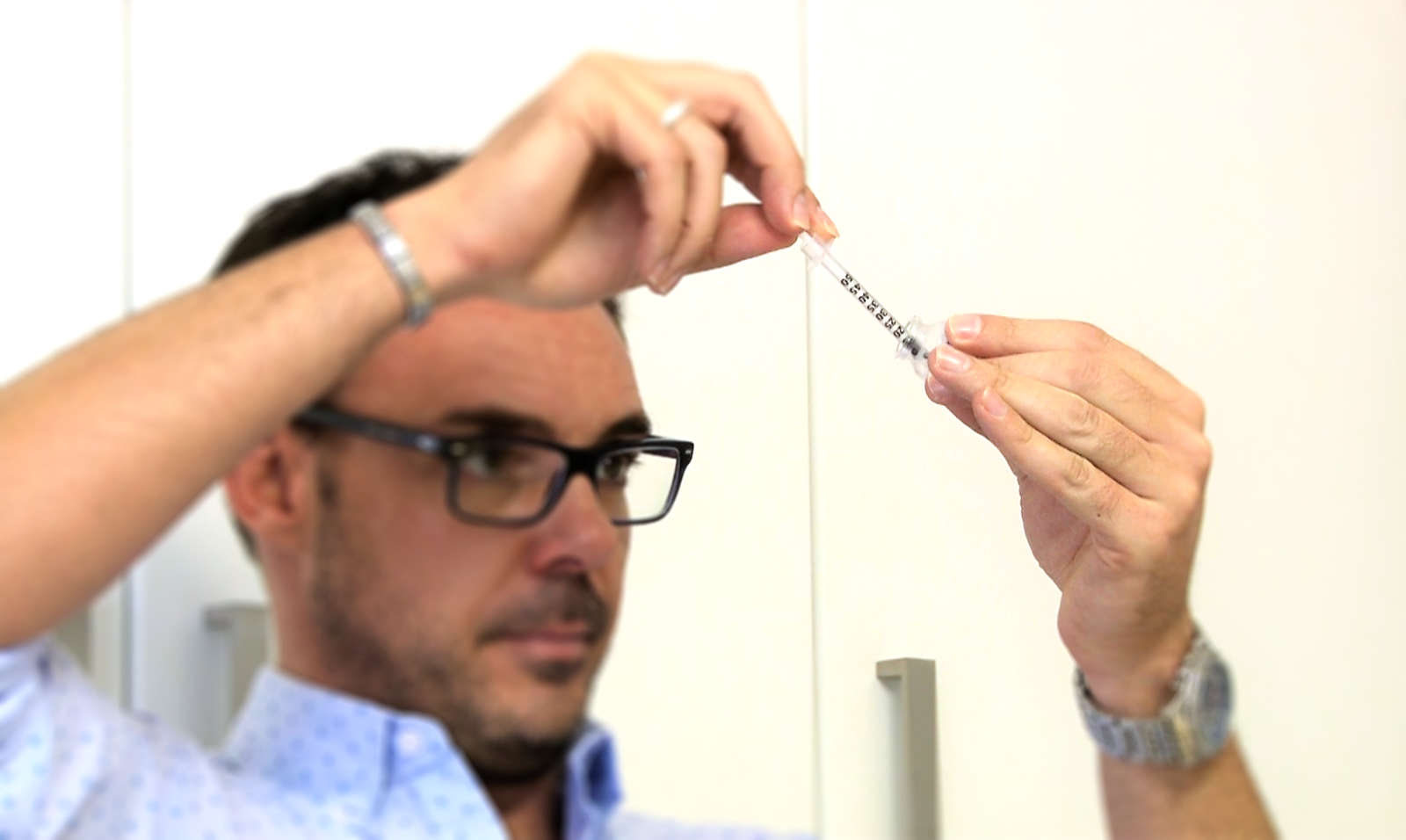
Transdermal Testosterone: A Game-Changer
TABLE OF CONTENTS

Introduction to Transdermal Testosterone
Transdermal testosterone is a popular and effective method for administering testosterone replacement therapy.
By delivering the hormone through the skin, it offers a convenient and non-invasive option for individuals with
low testosterone levels, potentially enhancing their quality of life significantly. This method can be considered
as an alternative to traditional testosterone injections or oral medications, providing a steady and controlled
release of the hormone into the bloodstream.
How Transdermal Testosterone Works
The principle behind transdermal testosterone therapy is relatively simple yet effective. The hormone is delivered
through patches or gels applied directly to the skin. These products allow the testosterone to be absorbed through
the skin layers and enter the bloodstream over an extended period, maintaining consistent hormone levels. This method
mimics the body’s natural process of producing testosterone, which can lead to better stability in moods and energy levels.
Benefits of Using Transdermal Testosterone
One of the major advantages of transdermal testosterone is its ability to maintain steady hormone levels without
the peaks and troughs often associated with injections. This steady absorption can reduce side effects and enhance
therapy outcomes. Additionally, the ease of application is appealing for many users, allowing them to integrate therapy
seamlessly into their daily routine.
Important Considerations
It’s crucial to follow medical guidance when using transdermal testosterone. Proper application is key, and users
should alternate application sites to reduce skin irritation. Furthermore, one must never reuse patches or gels
that have been applied once. A single-use policy ensures the correct dosage is administered and prevents potential
skin irritation or infection.
Conclusion
In conclusion, transdermal testosterone provides a viable, effective option for testosterone replacement therapy.
While it offers numerous benefits such as convenience and stable hormone levels, users must adhere to guidelines
provided by healthcare professionals to ensure safety and effectiveness. Always follow the prescribed usage and never
reuse transdermal testosterone patches or gels to maintain the therapy’s integrity.
FAQs about Transdermal Testosterone
Q: Can I apply transdermal testosterone to any area of my body?
A: It is recommended to apply the patches or gels to clean, dry, and typically hairless parts of the skin such as the upper arm or abdomen to ensure maximum absorption.
Q: How often should I replace my transdermal testosterone patch?
A: The frequency of replacement will depend on your doctor’s prescription, but typically, patches are replaced daily or as advised by a healthcare professional.
Q: What are some potential side effects?
A: Common side effects may include skin irritation at the application site, mood changes, or altered libido. Always consult your doctor if you encounter any adverse reactions.
For further reading, please visit: Mayo Clinic on Testosterone Therapy and Healthline on Testosterone Gel.
BIG SALE | FAST SHIPPING
HOT PROMOTIONS!

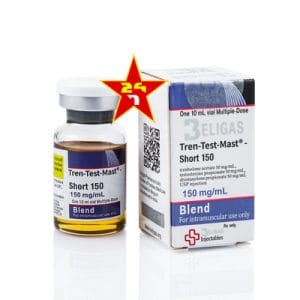

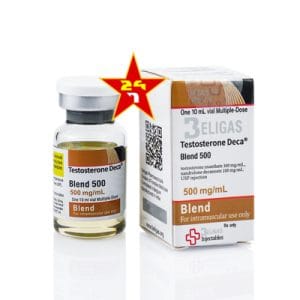
ZPHC UltraMix 1ml amps x 10 amps - 1ml = 250mg

Original price was: $ 259.00.$ 179.00Current price is: $ 179.00.



Transdermal testosterone is a form of hormone replacement therapy that delivers testosterone through the skin using patches, gels, or creams. This method is often employed to treat conditions associated with low testosterone levels, such as hypogonadism in men or specific cases of transgender hormone therapy. By applying the medication directly onto the skin, it allows for the gradual absorption of testosterone into the bloodstream, thereby maintaining more stable levels of the hormone compared to other administration methods like injections. This route of administration helps to avoid potential peaks and troughs in hormone levels, which can lead to side effects. It is generally well-tolerated, although some users may experience skin irritation at the application site. Regular monitoring by healthcare professionals is crucial to ensure effective dosing and to mitigate any adverse effects, such as changes in mood, increased red blood cell count, or unintended increases in hormonal levels.