Triamcinolone Acetonide Cream: Uses and Benefits
TABLE OF CONTENTS
- 1 How Triamcinolone Acetonide Cream Works
- 2 Proper Usage of Triamcinolone Acetonide Cream
- 3 Side Effects of Triamcinolone Acetonide Cream
- 4 Conclusion
- 5 FAQs
- 5.1 What conditions can triamcinolone acetonide cream treat?
- 5.2 Can I use triamcinolone acetonide cream on my face?
- 5.3 How does triamcinolone acetonide cream compare to other topical steroids?
- 5.4 Learn more about topical corticosteroids
- 5.5 Understand the mechanism of action of synthetic corticosteroids
- 5.6 Related

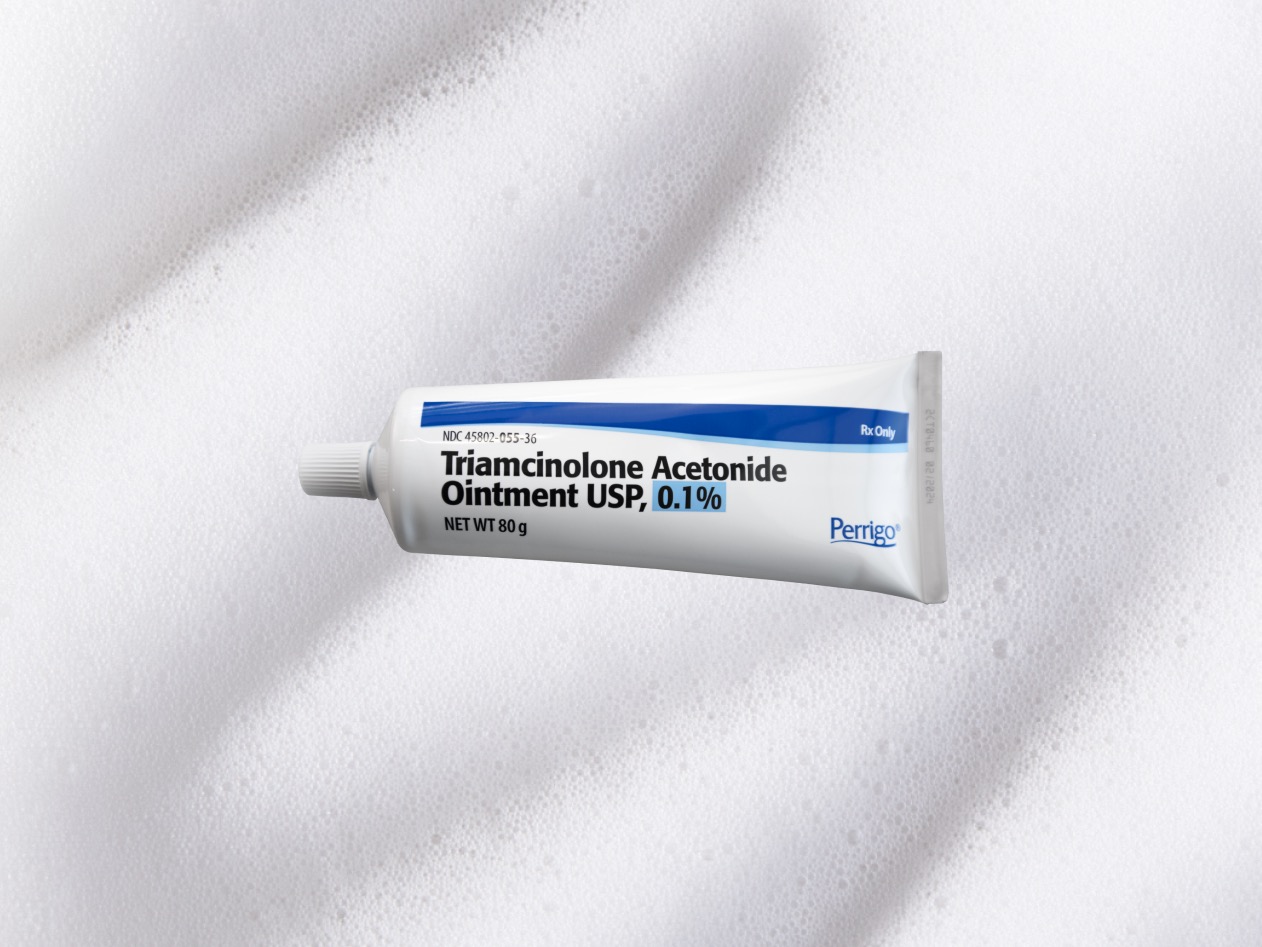
Triamcinolone acetonide cream is a potent topical corticosteroid used to treat a variety of skin conditions, such as eczema, psoriasis, allergies, and rash. It functions by reducing inflammation, redness, and swelling, providing relief to patients who may suffer from chronic skin issues. Despite its effectiveness, it is important to use the cream judiciously, as improper use can lead to unwanted side effects.
How Triamcinolone Acetonide Cream Works
Triamcinolone acetonide is a synthetic corticosteroid that mimics the effects of hormones naturally produced by the adrenal glands. When applied topically, this cream penetrates the skin and influences the body’s inflammatory responses. By inhibiting the release of substances that cause inflammation, the cream provides relief from itching and irritation.
Proper Usage of Triamcinolone Acetonide Cream
It is paramount that users adhere to prescribed instructions when applying triamcinolone acetonide cream. However, an essential guideline to follow is to never use the same cream triamcinolone acetonide twice without consulting a healthcare provider. Overuse or incorrect application can potentially lead to side effects such as skin thinning, stretch marks, or other mild reactions.
To apply, a thin layer of the cream should be gently rubbed into the affected area, typically once or twice daily, depending on the severity of the condition and the healthcare provider’s prescription. It’s crucial not to cover treated skin areas with bandages or wraps unless instructed by a healthcare professional, as this can increase absorption and the likelihood of side effects.
Side Effects of Triamcinolone Acetonide Cream
While effective, triamcinolone acetonide cream may cause side effects, especially with prolonged use or misuse. Possible adverse effects include skin irritation, dryness, redness, or a burning sensation at the site of application. In some cases, users might experience systemic effects such as weight gain, mood changes, or more serious conditions like hypothalamic-pituitary-adrenal (HPA) axis suppression, particularly if large quantities are absorbed over time.
Conclusion
Triamcinolone acetonide cream is a powerful tool in managing inflammation-related skin conditions. By understanding its proper use and potential side effects, patients can maximize benefits and minimize risks. Always consult with a healthcare professional before starting or altering a treatment plan, and adhere strictly to prescribed directions to ensure safe and effective use.
FAQs
What conditions can triamcinolone acetonide cream treat?
Triamcinolone acetonide cream is commonly used to treat conditions such as eczema, psoriasis, dermatitis, allergies, and rashes, primarily due to its ability to reduce inflammation and relieve itchiness.
Can I use triamcinolone acetonide cream on my face?
The skin on your face is thinner and more sensitive than other parts of the body, so using triamcinolone acetonide cream on the face should be done with caution. Always consult a healthcare provider before applying it to facial areas.
How does triamcinolone acetonide cream compare to other topical steroids?
Triamcinolone acetonide is considered a mid- to high-potency steroid, making it more potent than standard over-the-counter hydrocortisone creams but less potent than some other prescription formulations. Its strength is suitable for moderate patches of inflammation that do not respond to milder treatments.
Learn more about topical corticosteroids
Understand the mechanism of action of synthetic corticosteroids
BIG SALE | FAST SHIPPING
HOT PROMOTIONS!
CLOMIPHENE TABLETS 50mg 50 TABLETS FIERCE
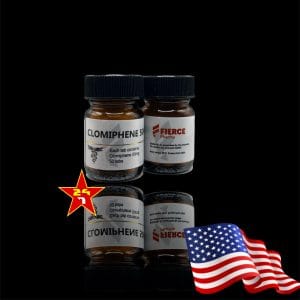
Original price was: $ 99.00.$ 89.00Current price is: $ 89.00.

Fierce nandrolone decanoate 300 / ml 10ml

Original price was: $ 131.00.$ 119.00Current price is: $ 119.00.
FIERCE CLOMID 50MG 50CAPS
Original price was: $ 129.00.$ 119.00Current price is: $ 119.00.
ZPHC UltraMix 1ml amps x 10 amps - 1ml = 250mg
Original price was: $ 259.00.$ 179.00Current price is: $ 179.00.
Triamcinolone acetonide cream is a topical corticosteroid commonly used to treat a variety of skin conditions, such as eczema, psoriasis, and allergic reactions. It works by reducing inflammation, itching, and redness, providing relief from discomfort associated with these dermatological issues. The cream is typically applied directly to the affected area, following the dosage and frequency recommended by a healthcare professional. While effective, prolonged use of triamcinolone acetonide should be monitored by a doctor to avoid potential side effects such as skin thinning or hormonal imbalances. It is essential to follow medical advice closely and not use the cream on broken skin or over large areas of the body without proper guidance.