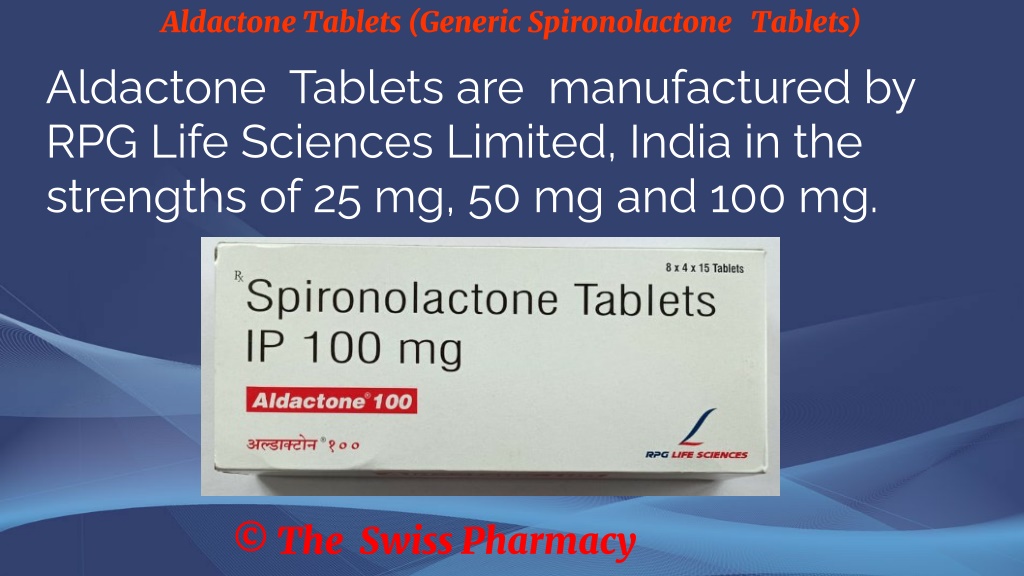
Understanding Aldactone: Is It Really a Steroid?
TABLE OF CONTENTS

Aldactone, known by its generic name spironolactone, is a medication primarily used to treat fluid retention (edema) and high blood pressure. Its ability to aid in removing excess water and sodium from the body makes it a valuable tool in the management of conditions such as congestive heart failure, liver cirrhosis, and certain kidney disorders. Despite its widespread use for such conditions, some may wonder: Is Aldactone a steroid?
Understanding Spironolactone
Before delving into whether Aldactone is a steroid, it is crucial to understand what spironolactone is and how it works. Spironolactone is classified as a potassium-sparing diuretic (water pill), which means it helps the body eliminate water and sodium while retaining potassium. It is known to block the actions of the hormone aldosterone, which promotes salt and water retention. This property of spironolactone helps in reducing swelling and easing pressure on the heart.
Is Aldactone a Steroid?
To address the question, “Is Aldactone a steroid?”, it is important to understand what steroids are in medical terminology. Steroids are organic compounds that include hormones like cortisol and testosterone. These substances are usually classified into corticosteroids and anabolic steroids, with both having distinct roles in the body’s metabolism and inflammation processes.
Aldactone is not classified as either a corticosteroid or an anabolic steroid. Although spironolactone does have some structural similarities to steroid hormones, because it is a synthetic steroidal compound, its main function and classification remain as a potassium-sparing diuretic. Therefore, Aldactone should not be considered a traditional steroid.
How Does Aldactone Work?
The primary function of Aldactone is to inhibit the effects of aldosterone, a hormone that acts to increase sodium reabsorption in the kidneys, leading to water retention. By blocking aldosterone receptors, Aldactone effectively minimizes fluid buildup, reduces blood volume, lowers blood pressure, and alleviates symptoms associated with edema. Its unique mechanism represents a specialized application among diuretics, differentiating its action from steroidal functions.
Conclusion
Returning to the question “Is Aldactone a steroid?”, the answer is no. While spironolactone might share certain structural elements with steroids, its role and function are distinct, focusing on diuretic action rather than traditional steroid functions. Aldactone is primarily utilized in the management of fluid retention and hypertension due to its properties as a potassium-sparing diuretic.
FAQs
Is spironolactone considered a hormone?
Although spironolactone impacts hormonal activity related to aldosterone, it is not itself a hormone but rather a medication that modifies hormonal effects for therapeutic purposes.
Can Aldactone be used for acne treatment?
Yes, Aldactone is sometimes prescribed off-label to treat acne, particularly in cases where hormone imbalance is suspected to contribute to the condition. Its anti-androgenic properties can be beneficial in such treatments.
Are there any side effects associated with Aldactone?
Common side effects of Aldactone include hyperkalemia (high potassium levels), headache, dizziness, and gastrointestinal discomfort. It’s vital to consult a healthcare provider for personalized medical advice regarding its use.
BIG SALE | FAST SHIPPING
HOT PROMOTIONS!
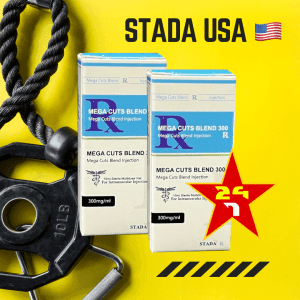
STADA MEGA CUTS BLEND 300 MG 10ML (TRENBOLONE)
Original price was: $ 129.00.$ 119.00Current price is: $ 119.00.

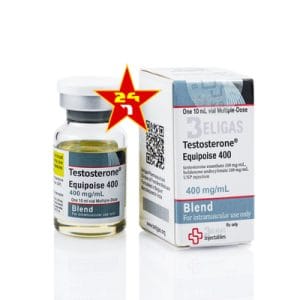
Beligas 10ml Vial Testosterone NPP Blend 150mg

Original price was: $ 119.00.$ 99.00Current price is: $ 99.00.

CROWX 👑 CLOMIROW 50 Mg / 50 Tabs ( Clomid )
Original price was: $ 79.00.$ 69.00Current price is: $ 69.00.
Aldactone, generically known as spironolactone, is indeed classified as a steroid, but it functions primarily as a potassium-sparing diuretic. Unlike anabolic steroids commonly associated with muscle growth, spironolactone is a synthetic 17-lactone steroid that acts as an antagonist to the mineralocorticoid receptor in the distal nephron of the kidneys. This action results in the promotion of sodium excretion while preserving potassium, making it effective in managing conditions like hypertension, heart failure, and conditions of hyperaldosteronism. Additionally, it has anti-androgen properties, allowing it to be used in treatments for conditions such as polycystic ovary syndrome (PCOS), hirsutism, and acne. While Aldactone’s structural classification as a steroid contributes to its mechanism of action, its therapeutic uses are distinct from those of anabolic or corticosteroids.